
As we age, our nutritional needs shift, making mindful eating more critical than ever for maintaining strength, cognitive function, and overall independence. The connection between diet and vitality becomes increasingly direct, influencing everything from bone density and muscle mass to energy levels and immune response. This guide moves beyond generic advice to provide ten specific, evidence-based nutrition tips for elderly individuals and those who care for them. It is designed to be a practical resource that addresses the real-world challenges older adults face.
Each recommendation in this listicle is crafted to be immediately actionable. We will explore how to manage common age-related issues such as diminished appetite, muscle loss (sarcopenia), dehydration risks, and potential interactions between medications and nutrients. The goal is to demystify senior nutrition and provide clear, straightforward strategies for building a healthier dietary pattern. For those navigating complex nutritional needs, supplementing a balanced diet can be a key strategy. For comprehensive nutritional support, it's often beneficial to consider specialized options such as the best multivitamin for women 50 and over.
Ultimately, proper nutrition is a cornerstone of healthy aging. It plays a pivotal role in preventing or managing chronic diseases like osteoporosis and hypertension, reducing the risk of falls and hospitalizations, and significantly enhancing day-to-day quality of life. For families and caregivers, understanding these principles is the first step toward providing effective and compassionate support. This guide aims to equip you with the essential knowledge needed to make informed dietary choices that fuel longevity and well-being for years to come.
1. Increase Protein Intake for Muscle Preservation
Adequate protein is a cornerstone of healthy aging and one of the most vital nutrition tips for elderly individuals. As we age, our bodies become less efficient at processing protein, leading to a natural, gradual loss of muscle mass and strength known as sarcopenia. This condition can significantly increase the risk of falls, fractures, and a loss of independence. Consuming enough high-quality protein helps counteract this process, preserving muscle tissue and supporting overall physical function.
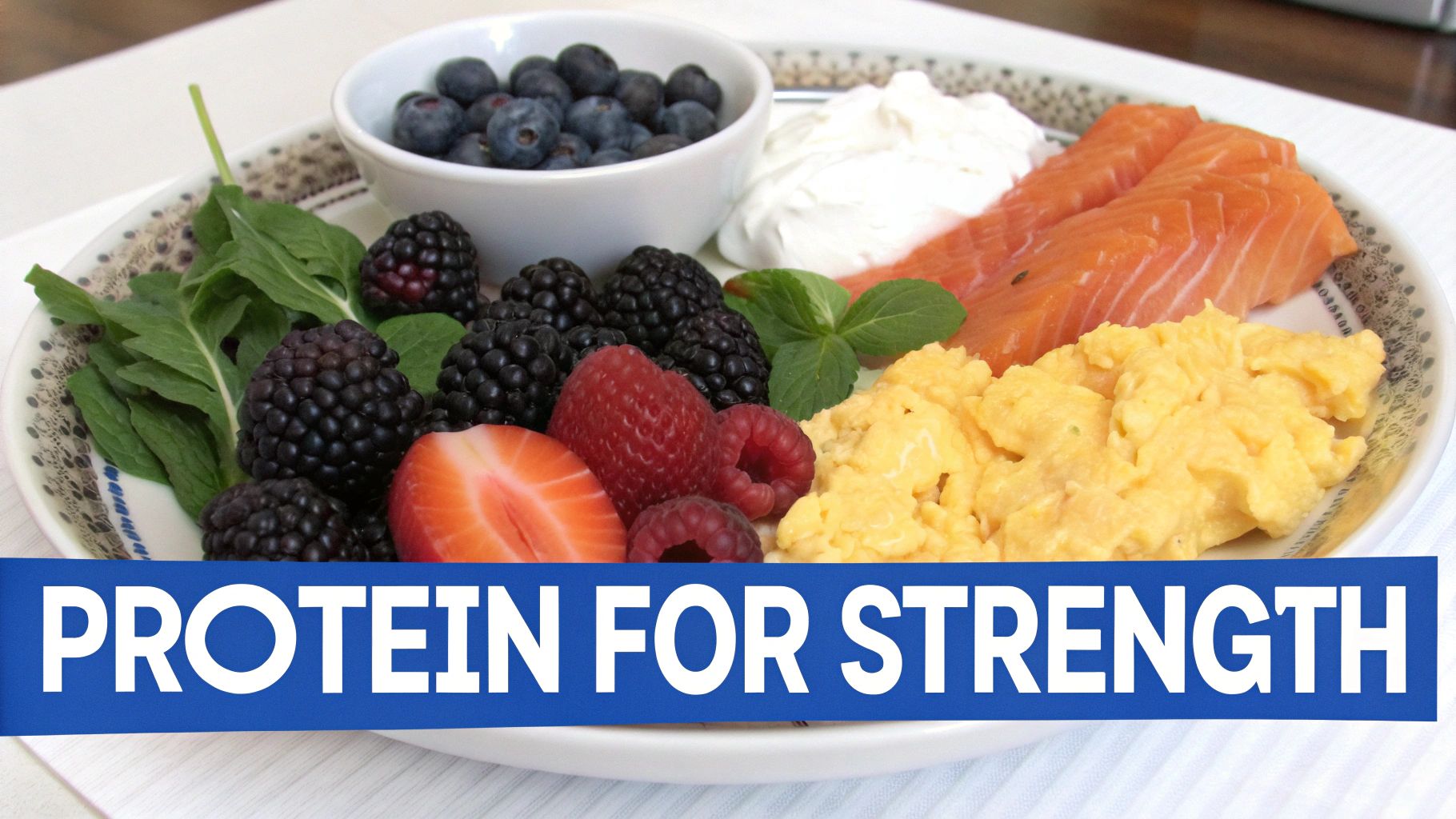
Beyond muscle health, protein is essential for a robust immune system, faster wound healing, and maintaining strong bones. For older adults, protein needs are actually higher than for younger individuals. The general recommendation is to aim for 1.0 to 1.2 grams of protein per kilogram of body weight each day. For a 150-pound (68 kg) person, this translates to about 68-82 grams of protein daily.
How to Boost Protein Intake
To meet these increased needs without feeling overwhelmed, it's best to spread protein consumption throughout the day rather than having one large, protein-heavy meal.
- Breakfast: Start the day with scrambled eggs or Greek yogurt with berries (15-20g protein).
- Lunch: A grilled salmon fillet (25g protein) or a hearty chicken and bean soup provides a substantial boost.
- Dinner: Lean chicken breast, tofu, or lentils can anchor the evening meal.
- Snacks: A serving of cottage cheese (14g protein) or a handful of nuts are excellent options.
Practical Tips for Success
- Prioritize Soft Proteins: For those with chewing or dental difficulties, focus on softer sources like fish, eggs, yogurt, tofu, and well-cooked legumes.
- Consider Supplements: If appetite is low, protein shakes or powders can be an easy way to supplement intake. For those needing to gain weight, you can explore more options for nutrient-dense foods. Read more about high-calorie foods for the elderly on njcaregiving.com.
- Combine with Exercise: Pair your protein intake with light strength training or physical activity to maximize muscle synthesis and strength gains.
2. Stay Hydrated with Appropriate Fluid Intake
Proper hydration is a critical, yet often overlooked, component of healthy aging and stands as one of the most important nutrition tips for elderly individuals. As people age, the sensation of thirst naturally diminishes, making it easier to become dehydrated without realizing it. Dehydration can lead to a host of serious health issues, including urinary tract infections (UTIs), constipation, kidney problems, dizziness, and confusion, which can increase the risk of falls. Maintaining adequate fluid intake is essential for cognitive function, regulating body temperature, and supporting overall organ health.
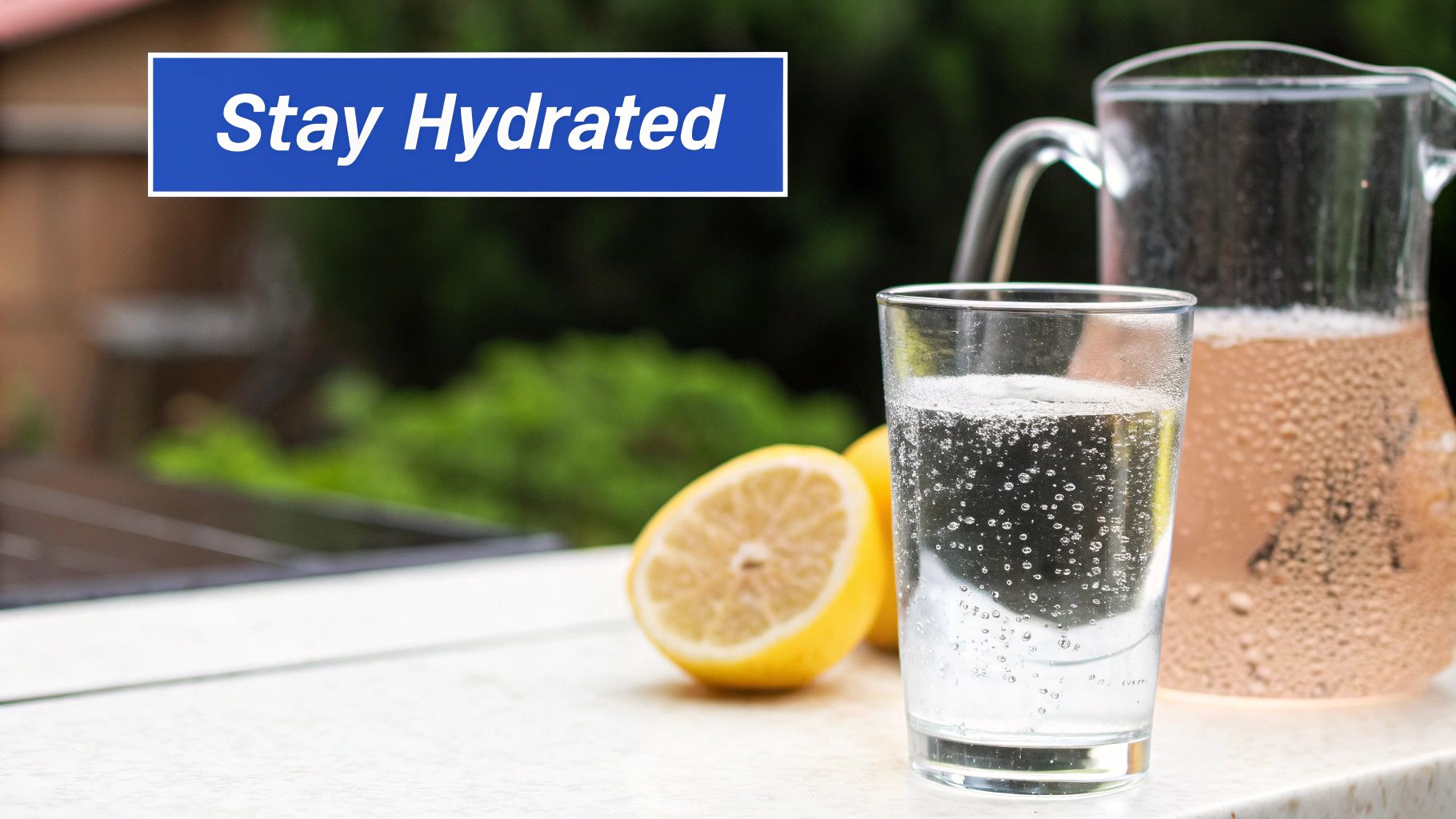
While individual needs vary based on health conditions, medications, and activity levels, a general guideline is to aim for about 6-8 glasses (around 1.5-2 liters) of fluid per day. It is crucial to remember that this doesn't all have to come from plain water. Many beverages and even foods contribute to daily hydration goals, making it easier to stay on track.
How to Boost Fluid Intake
Incorporating a variety of hydrating sources throughout the day can make meeting fluid needs more appealing and manageable.
- Infused Water: Add flavor to plain water with slices of lemon, cucumber, or mint to make it more enticing.
- Warm Beverages: Caffeine-free herbal teas or warm broths can be comforting and hydrating alternatives.
- Water-Rich Foods: Include foods with high water content in meals and snacks, such as watermelon, oranges, cucumbers, and soups.
- Nutrient-Dense Drinks: Milk and fortified plant-based beverages also contribute significantly to fluid intake while providing other essential nutrients.
Practical Tips for Success
- Create a Schedule: Offer a glass of water or another hydrating beverage at regular intervals, such as every two hours, rather than waiting for thirst to signal.
- Use Visual Cues: A colorful, dedicated water bottle or a favorite cup kept in a visible location can serve as a constant reminder to drink.
- Monitor Hydration: Pay attention to urine color as a simple indicator. A pale yellow color typically signifies good hydration, while dark yellow can be a sign to increase fluid intake.
- Make it Accessible: For individuals with mobility or dexterity challenges, using straws or adaptive drinking cups can make sipping fluids easier and safer.
3. Consume Adequate Calcium and Vitamin D for Bone Health
Strong bones are crucial for maintaining mobility and independence in later life, making calcium and vitamin D a top-tier pair among nutrition tips for elderly individuals. As people age, bone density naturally declines, increasing the risk of osteoporosis, a condition that makes bones brittle and fragile. A hip or spine fracture can be a life-altering event for an older adult, often leading to a significant loss of independence.
Calcium is the primary mineral that builds and maintains bone mass, while vitamin D acts as the key that allows your body to absorb that calcium effectively. Without sufficient vitamin D, even a calcium-rich diet can fall short. This dynamic duo works together to protect against fractures, and vitamin D also plays a vital role in supporting immune function and muscle strength. Adults over 50 need about 1,200 mg of calcium and 800-1,000 IU of vitamin D daily.
How to Boost Calcium and Vitamin D Intake
Achieving these targets is possible by incorporating specific foods into daily meals. Focus on a variety of sources to ensure a balanced nutrient intake.
- Dairy: Low-fat yogurt, milk, and cheese are classic, potent sources of calcium. A single cup of yogurt can provide over 300 mg.
- Fortified Foods: Many foods are now fortified with both nutrients, including orange juice, breakfast cereals, and non-dairy milks like almond or soy.
- Leafy Greens & Fish: Dark leafy greens like kale and collard greens offer calcium, while fatty fish like salmon and sardines (with bones) are excellent sources of vitamin D.
Practical Tips for Success
- Get Some Sun: When possible, encourage safe sun exposure. Just 15-20 minutes of sunlight on the arms and legs a few times a week can help the body produce vitamin D.
- Consider a Supplement: Especially for homebound individuals or during winter months, a vitamin D supplement is often necessary. Consult a doctor to determine the right dosage.
- Combine with Exercise: Weight-bearing activities like walking or light strength training stimulate bone-building cells, helping your body make the most of the calcium you consume.
4. Prioritize Fiber-Rich Foods for Digestive Health
Dietary fiber is crucial for maintaining digestive regularity and is one of the most important nutrition tips for elderly individuals. As we age, the digestive system can become more sluggish, leading to common issues like constipation. A fiber-rich diet helps promote regular bowel movements, preventing discomfort and potential complications. It also supports a healthy gut microbiome, which is linked to a stronger immune system and overall well-being.
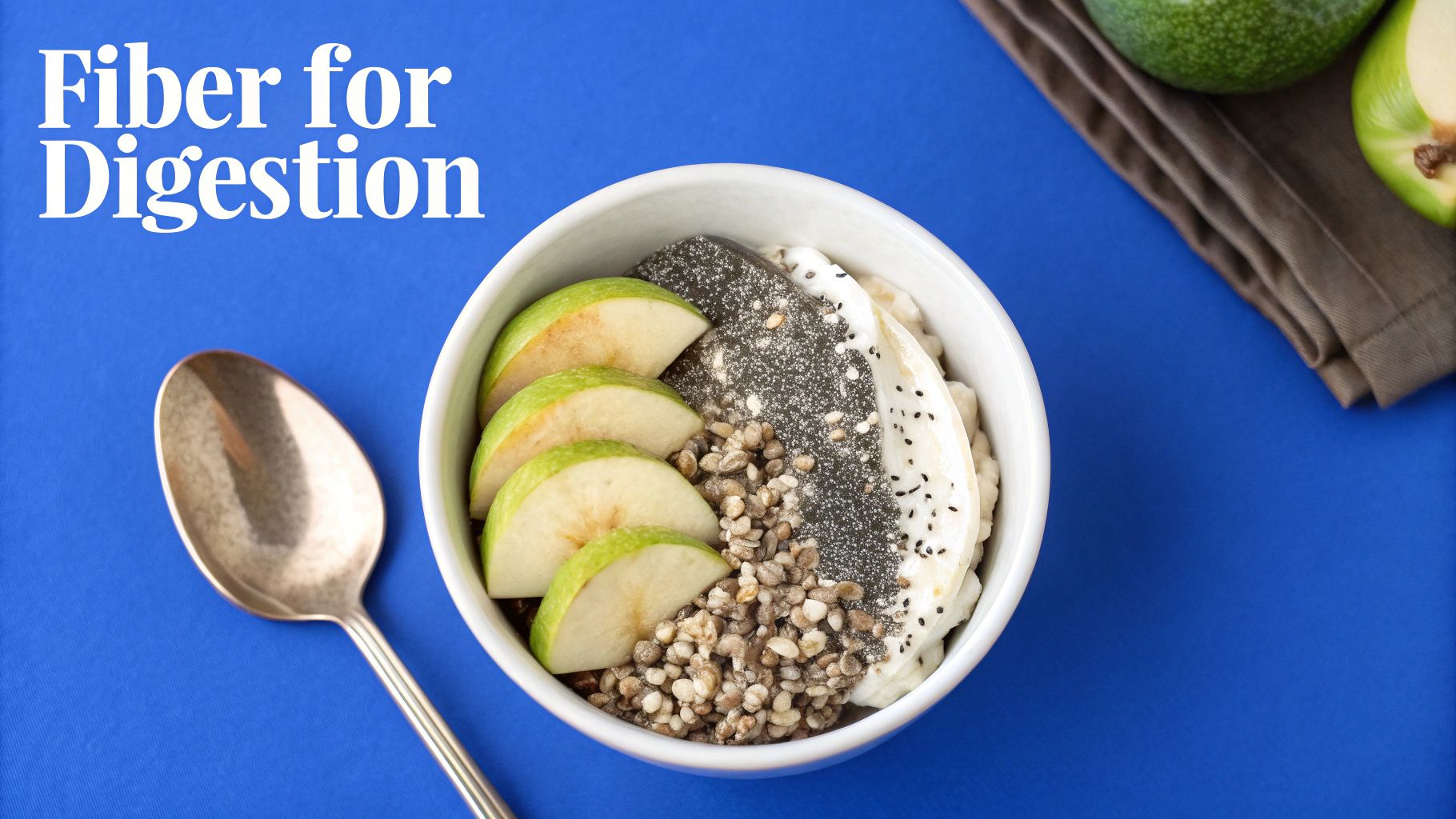
Beyond digestive health, fiber plays a key role in managing blood sugar levels and lowering cholesterol, which are vital for cardiovascular health. The recommended daily intake for older adults is around 25-30 grams. Increasing fiber intake helps seniors feel fuller for longer, which can aid in weight management and ensure a steady supply of energy throughout the day.
How to Boost Fiber Intake
Incorporating a variety of fiber-rich foods into daily meals is the most effective way to meet these goals. Focus on whole foods rather than processed options to maximize nutritional benefits.
- Breakfast: A bowl of oatmeal or bran cereal topped with berries and a sprinkle of chia seeds.
- Lunch: Lentil soup or a salad with chickpeas and plenty of fresh vegetables.
- Dinner: Add black beans to a main dish or serve a side of steamed broccoli or Brussels sprouts.
- Snacks: An apple with the skin on, a pear, or a small handful of almonds are excellent high-fiber choices.
Practical Tips for Success
- Increase Gradually: Add fiber to the diet slowly over two to three weeks to allow the digestive system to adjust and avoid bloating or gas.
- Stay Hydrated: Fiber works best when it absorbs water, so ensure you drink at least eight glasses of water daily.
- Soften When Needed: For those with dental issues, cook vegetables until they are soft, mash beans, or blend fruits into smoothies.
- Use Natural Aids: Serving prune juice or stewed prunes can be a gentle and effective way to promote regularity.
5. Include Heart-Healthy Fats and Omega-3 Fatty Acids
Not all fats are created equal, and incorporating the right kind is one of the most impactful nutrition tips for elderly individuals. Heart-healthy fats, particularly omega-3 fatty acids, play a crucial role in reducing inflammation throughout the body. This is vital for managing chronic conditions like arthritis and supporting both cardiovascular and cognitive health. Research suggests these beneficial fats may help lower the risk of heart disease, stroke, and even some forms of dementia by protecting brain cells and improving blood flow.
Unlike saturated and trans fats found in processed foods, which can be detrimental, unsaturated fats help maintain healthy cholesterol levels. The American Heart Association recommends that older adults consume at least two servings of fatty fish each week to reap these powerful benefits. Integrating these fats into a balanced diet helps ensure the body and brain receive the essential nutrients they need to function optimally during the aging process.
How to Boost Healthy Fat Intake
Making small, consistent additions to meals is the easiest way to increase the consumption of beneficial fats without drastically changing one's diet.
- Main Meals: Aim for two servings of fatty fish like salmon, mackerel, or sardines per week. Use extra virgin olive oil as a base for salad dressings or for drizzling over cooked vegetables.
- Snacks: A small handful of walnuts or almonds (about one ounce) makes for a satisfying and heart-healthy snack.
- Add-Ins: Sprinkle ground flaxseed or chia seeds over oatmeal, yogurt, or smoothies. Add slices of avocado to sandwiches or salads.
Practical Tips for Success
- Make Swaps: Replace butter with olive oil for moderate-temperature cooking and use avocado instead of mayonnaise on sandwiches.
- Address Chewing Issues: If chewing is difficult, serve flaked fish, use nut butters, or grind seeds to add to other soft foods.
- Consult a Professional: Always discuss taking omega-3 supplements with a healthcare provider, especially if you are on blood-thinning medication, to avoid potential interactions.
- Limit Unhealthy Fats: Actively reduce intake of saturated and trans fats by limiting fried foods, commercial baked goods, and fatty cuts of meat.
6. Control Sodium Intake to Manage Blood Pressure
Managing sodium is one of the most impactful nutrition tips for elderly individuals, particularly for those with hypertension or heart conditions. As we age, our blood vessels can become less flexible, and our kidneys may be less efficient at filtering excess sodium, making the body more sensitive to its blood pressure-raising effects. High sodium intake leads to fluid retention, which increases blood volume and forces the heart to work harder, elevating the risk of heart attack, stroke, and kidney disease.
The American Heart Association recommends an ideal limit of 1,500 mg of sodium per day for most older adults, especially those with high blood pressure. This is significantly less than the average American intake. The challenge is that over 70% of dietary sodium comes from processed, prepackaged, and restaurant foods, often where you least expect it. Reducing sodium is therefore less about the saltshaker and more about mindful food selection.
How to Reduce Sodium Intake
Making flavorful, low-sodium meals at home is key to controlling blood pressure and supporting cardiovascular health. Focus on fresh, whole foods that are naturally low in sodium.
- Breakfast: Oatmeal cooked from scratch with fruit and cinnamon instead of a processed cereal.
- Lunch: A large salad with grilled chicken or a sandwich made with fresh roasted turkey. Finding suitable options like low-sodium cold cuts can make a significant difference.
- Dinner: Baked fish seasoned with lemon and dill, served with steamed vegetables and brown rice.
- Snacks: Unsalted nuts, fresh fruit, or plain yogurt are excellent choices over salted crackers or chips.
Practical Tips for Success
- Read the Labels: Always check the "Sodium" content on the Nutrition Facts panel and aim for products labeled "low-sodium" or "no salt added."
- Flavor with Herbs: Use fresh or dried herbs, spices, garlic, onion, citrus juice, and vinegar to season food instead of relying on salt.
- Rinse Canned Goods: Rinsing canned beans, vegetables, and tuna under water can remove up to 40% of the added sodium.
- Limit Processed Foods: Greatly reduce intake of processed meats (sausages, bacon), canned soups, frozen dinners, and salty snack foods.
- Cook from Scratch: Preparing meals at home gives you complete control over how much salt is added.
7. Manage Medication-Nutrient Interactions and Maintain Vitamin B12 & Folate
A critical, yet often overlooked, component of senior health is understanding the complex relationship between medications and nutrition. This is one of the most important nutrition tips for elderly individuals because older adults frequently manage multiple prescriptions, which can interfere with nutrient absorption, alter appetite, and even deplete essential vitamins. Proactively managing these interactions is key to ensuring both medications and diet work effectively.
For instance, common medications like metformin (for diabetes) can reduce the absorption of Vitamin B12 over time. Proton pump inhibitors (PPIs) used for acid reflux can decrease the absorption of both B12 and calcium. Similarly, the effectiveness of blood thinners like Warfarin can be impacted by inconsistent intake of Vitamin K, found in leafy greens. Being aware of these potential conflicts helps prevent nutrient deficiencies and ensures medications work as intended.
How to Manage Interactions
Proper management involves close collaboration with healthcare providers and a keen awareness of how new medications affect the body. It’s not about avoiding certain foods entirely but about consistency and communication.
- B12 & Folate: These vitamins are crucial for nerve function and red blood cell production. Deficiencies are common due to medications and reduced stomach acid. Ask your doctor about monitoring levels, especially if you take metformin or PPIs.
- Warfarin & Vitamin K: The goal is consistency. If you enjoy spinach or kale, maintain a steady intake rather than having large, infrequent portions.
- Grapefruit Juice: This juice can interfere with numerous heart and blood pressure medications. Always check with your pharmacist before consuming it.
- Supplements: Calcium supplements can interfere with the absorption of certain osteoporosis medications (bisphosphonates) and should be taken at least two hours apart.
Practical Tips for Success
- Maintain a List: Keep an updated list of all medications, including over-the-counter drugs and supplements, to review with your doctor and pharmacist.
- Ask Questions: Whenever a new medication is prescribed, ask your pharmacist, "Are there any foods, drinks, or supplements I should be aware of while taking this?"
- Monitor Symptoms: Pay attention to any new symptoms like appetite loss, taste changes, or fatigue after starting a medication, and report them to your healthcare team.
- Get Professional Guidance: Juggling multiple prescriptions can be complex. You can explore options for professional help; read more about senior medication management on njcaregiving.com.
8. Manage Weight Through Balanced Calorie Intake
Maintaining a healthy weight is a delicate balance for older adults, making it a crucial component of nutrition tips for elderly individuals. As we age, metabolic rates slow down and activity levels often decrease, meaning calorie needs decline. However, the need for essential nutrients remains just as high, if not higher. This creates a risk for both unintentional weight loss, which can signal malnutrition and muscle wasting, and obesity, which strains joints and increases the risk of chronic diseases like diabetes and heart disease. A balanced approach that prioritizes nutrient density over simple calorie counting is key.
Focusing on a balanced calorie intake ensures the body receives the vitamins, minerals, protein, and fiber it needs to function optimally without consuming excess energy that leads to weight gain. This strategy supports stable energy levels, promotes better mobility, and helps manage health conditions effectively. Rather than restrictive dieting, the goal is to make every calorie count by choosing whole, unprocessed foods that offer maximum nutritional value.
How to Achieve a Balanced Calorie Intake
Creating a sustainable eating pattern involves mindful choices and strategic planning. The focus should be on satisfaction and nutritional quality to support long-term health.
- Breakfast: A bowl of oatmeal with a handful of walnuts and berries provides fiber, healthy fats, and antioxidants.
- Lunch: A Mediterranean-style salad with grilled chicken, chickpeas, cucumbers, tomatoes, and a light vinaigrette.
- Dinner: Baked fish with a side of steamed broccoli and a small portion of brown rice.
- Snacks: A piece of fruit, a small cup of Greek yogurt, or a few whole-grain crackers with cheese can prevent overeating at meals.
Practical Tips for Success
- Focus on Nutrient Density: Choose foods rich in nutrients relative to their calorie content, like leafy greens, lean proteins, and whole grains.
- Use Smaller Plates: This simple psychological trick can help manage portion sizes visually without feeling deprived.
- Plan Ahead: Meal planning prevents impulsive, less healthy choices. For more ideas, explore some options for healthy meals for the elderly on njcaregiving.com.
- Monitor Weight Monthly: Tracking weight trends over a month provides a more accurate picture than daily fluctuations.
- Stay Active: Combine a balanced diet with regular, appropriate physical activity to support muscle mass and metabolic health.
9. Adapt Meals for Swallowing Difficulties and Dental Health
Navigating mealtimes can become challenging for older adults facing dental issues or dysphagia (swallowing difficulties). This makes adapting meal textures a crucial component of any list of nutrition tips for elderly individuals. Modifying foods to be softer, minced, or puréed ensures that seniors can eat safely without the risk of choking or aspiration, which can lead to serious lung infections. Properly adapted meals help maintain adequate nutrition, hydration, and the simple pleasure of enjoying food.
Ignoring these challenges can lead to weight loss, malnutrition, dehydration, and a diminished quality of life. The goal is to alter the texture of foods and liquids to a consistency that is safe and easy to manage, while still preserving their nutritional value and taste. This approach supports independence and dignity at mealtimes, making them a safe and positive experience rather than a source of anxiety.
How to Adapt Meal Textures
A professional evaluation from a speech-language pathologist is the best first step to determine the safest food and liquid consistencies. Common modifications include:
- Soft Foods: Ideal for those with minor chewing difficulties. Think scrambled eggs, yogurt, cottage cheese, ripe bananas, and well-cooked pasta.
- Minced & Moist: Finely chopping or dicing food and mixing it with a sauce or gravy creates a texture that requires minimal chewing. Examples include flaked fish with a cream sauce or finely minced chicken mixed with gravy.
- Puréed: All food is blended to a smooth, pudding-like consistency. This can include puréed soups, mashed sweet potatoes, and puréed fruits like applesauce.
- Thickened Liquids: For those who have trouble swallowing thin liquids, commercial thickeners can be used to bring water, juice, or coffee to a nectar-like, honey-like, or pudding-like consistency as recommended.
Practical Tips for Success
- Maintain Visual Appeal: Even when puréed, use food molds or separate different colored foods on the plate to make the meal look more appetizing.
- Ensure Proper Positioning: The individual should always sit fully upright at a 90-degree angle during and for at least 30 minutes after meals to reduce aspiration risk.
- Keep Foods Moist: Use broths, gravies, and sauces to moisten foods, making them easier to swallow. Avoid dry, crumbly items like crackers or toast.
- Focus on Nutrient Density: Since portion sizes may be smaller, enrich modified foods by adding protein powder, healthy fats like olive oil or avocado, or puréed beans to boost calories and nutrients.
10. Include Antioxidant-Rich Foods for Cognitive and Cellular Health
Incorporating antioxidant-rich foods is one of the most impactful nutrition tips for elderly individuals aiming to protect their long-term cognitive function and cellular integrity. Antioxidants are powerful compounds that combat oxidative stress, a process where unstable molecules called free radicals damage cells, including brain cells. This cellular damage is linked to inflammation and is a key factor in age-related cognitive decline and neurodegenerative diseases.
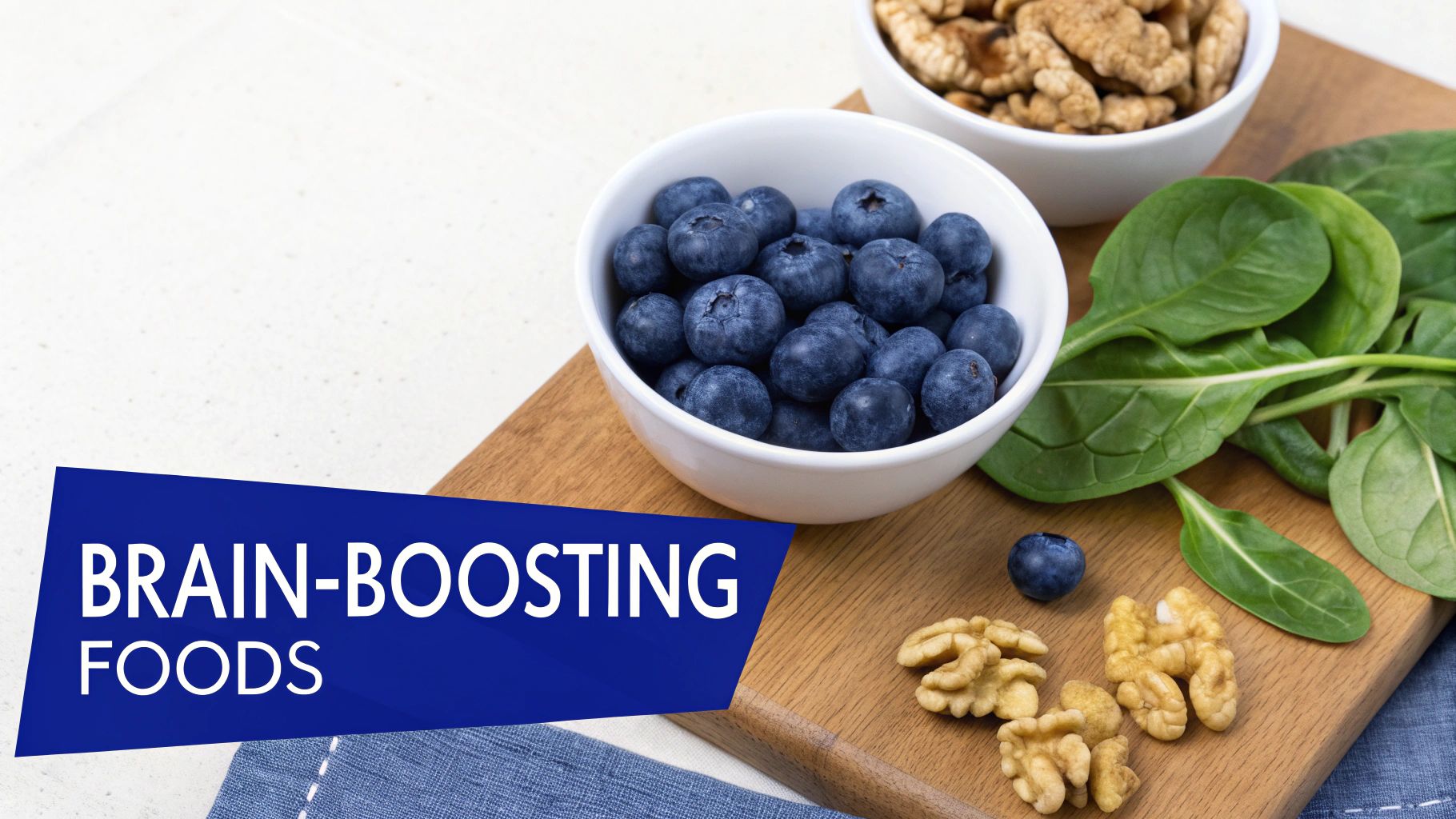
Diets rich in these protective nutrients, such as the Mediterranean or MIND diets, are strongly associated with better cognitive outcomes, slower mental aging, and a reduced risk of dementia. By neutralizing free radicals, antioxidants help maintain the health of brain cells, support neural pathways, and reduce inflammation, contributing to sharper memory and overall brain vitality.
How to Boost Antioxidant Intake
A colorful plate is a good indicator of an antioxidant-rich meal. Focus on incorporating a wide variety of plant-based foods, as different colors often signify different types of beneficial compounds.
- Berries: Blueberries, strawberries, and blackberries are packed with flavonoids that support brain health.
- Dark Leafy Greens: Spinach, kale, and collard greens are excellent sources of lutein and vitamin K.
- Colorful Vegetables: Beets, carrots, sweet potatoes, and bell peppers offer a spectrum of vitamins and antioxidants.
- Nuts and Seeds: Walnuts and almonds are particularly good for their combination of healthy fats and vitamin E.
- Other Powerhouses: Tomatoes, green tea, and even dark chocolate (70% cacao or higher) provide unique and potent antioxidants.
Practical Tips for Success
- Eat the Rainbow: Aim to include at least two or three different colored fruits and vegetables with every meal.
- Snack Smart: Keep a small portion of nuts or a bowl of berries on hand for an easy and brain-boosting snack.
- Use Frozen Options: If fresh produce is difficult to store or access, frozen berries and vegetables are just as nutritious and are perfect for smoothies or adding to cooked dishes.
- Sip Green Tea: Brew a cup of decaffeinated green tea in the afternoon or evening for a gentle but effective antioxidant intake.
Nutrition for Older Adults — 10-Point Comparison
| Intervention | Implementation Complexity (🔄) | Resource Requirements (⚡) | Expected Outcomes (📊) | Ideal Use Cases (⭐) | Key Advantages / Tips (💡) |
|---|---|---|---|---|---|
| Increase Protein Intake for Muscle Preservation | Moderate 🔄 — meal planning, distribution across day | Moderate ⚡ — higher-cost protein sources or supplements; caregiver prep | 📊 Preserves muscle mass/strength, reduces fall/fracture risk, aids recovery | ⭐ Older adults with sarcopenia risk, post-surgery, low appetite | 💡 Maintain protein across meals; choose soft proteins; pair with strength training |
| Stay Hydrated with Appropriate Fluid Intake | Low 🔄 — establish routines and monitoring | Low ⚡ — fluids, bottles, adaptive cups; hydration tracking | 📊 Prevents dehydration, improves cognition, kidney & digestive health | ⭐ Seniors with diminished thirst, on diuretics, UTI/constipation risk | 💡 Offer fluids regularly (every ~2 hrs), monitor urine color, use visual reminders |
| Consume Adequate Calcium & Vitamin D for Bone Health | Low–Moderate 🔄 — diet, supplements, sun exposure guidance | Low ⚡ — dairy/fortified foods, inexpensive supplements; possible lab tests | 📊 Maintains bone density, lowers fracture risk, supports immune function | ⭐ Those at osteoporosis risk, homebound with limited sun exposure | 💡 Combine Ca with Vitamin D, consider supplements, encourage weight-bearing exercise |
| Prioritize Fiber-Rich Foods for Digestive Health | Low 🔄 — gradual increase and meal adjustments | Low ⚡ — whole grains, legumes, fruits; requires adequate water | 📊 Improves bowel regularity, gut microbiome, cholesterol/blood sugar control | ⭐ Individuals with constipation or metabolic risk factors | 💡 Increase fiber over 2–3 weeks, ensure hydration, cook foods soft for easier intake |
| Include Heart-Healthy Fats & Omega-3 Fatty Acids | Low 🔄 — incorporate fish, oils, nuts into meals | Moderate ⚡ — cost of fatty fish/nuts; supplements if needed | 📊 Supports heart and cognitive health, reduces inflammation | ⭐ Cardiovascular risk, cognitive decline prevention, joint health support | 💡 Aim for fatty fish 2x/week; use olive oil; consult if on blood thinners |
| Control Sodium Intake to Manage Blood Pressure | Moderate 🔄 — label reading and recipe modification | Low ⚡ — fresh ingredients, herbs; time for home cooking | 📊 Lowers blood pressure, reduces fluid retention and cardiovascular risk | ⭐ Hypertension, heart failure, kidney disease management | 💡 Cook at home, use herbs/acid for flavor, rinse canned foods, read labels |
| Manage Medication‑Nutrient Interactions & Maintain B12/Folate | High 🔄 — requires professional review and monitoring | Moderate ⚡ — pharmacist/clinician input, blood tests, possible supplements | 📊 Prevents deficiencies, optimizes meds, reduces nutrition-related side effects | ⭐ Polypharmacy patients, long-term PPI or metformin users, cognitive symptoms | 💡 Keep a complete med list, consult pharmacist, space meds/supplements appropriately |
| Manage Weight Through Balanced Calorie Intake | Moderate 🔄 — individualized planning, monitoring, behavior change | Moderate ⚡ — meal planning, activity programs, possible counseling | 📊 Improves mobility, metabolic health; prevents unintentional weight loss or obesity | ⭐ Overweight/obese or unexplained weight-loss cases | 💡 Focus on nutrient density, portion control, combine protein+fiber+healthy fats |
| Adapt Meals for Swallowing Difficulties & Dental Health | Moderate–High 🔄 — professional assessment and texture modifications | Moderate ⚡ — special equipment (blenders), thickening agents, SLP/OT guidance | 📊 Enables safe oral intake, prevents aspiration, maintains nutrition | ⭐ Dysphagia, dental problems, aspiration or weight-loss risk | 💡 Obtain SLP evaluation, ensure upright posture, keep foods moist and appealing |
| Include Antioxidant‑Rich Foods for Cognitive & Cellular Health | Low 🔄 — add varied fruits, vegetables, nuts to patterns | Low–Moderate ⚡ — cost varies (frozen options reduce cost) | 📊 May slow cognitive decline, reduce oxidative stress, support overall health | ⭐ Those focused on cognitive health or following Mediterranean/MIND diets | 💡 Eat a variety of colors daily, include berries and leafy greens, use frozen if needed |
Partnering for Health: How In-Home Care Supports Senior Nutrition
Navigating the landscape of senior nutrition can feel complex, but as we've explored, the core principles are rooted in targeted, thoughtful choices. From increasing protein intake to preserve vital muscle mass to carefully managing sodium for better heart health, each of the nutrition tips for elderly individuals we've discussed serves as a building block for a healthier, more vibrant life. The goal is not about perfection, but about progress and consistency.
Mastering these concepts is invaluable because proper nutrition directly impacts nearly every aspect of aging. Stronger bones from adequate calcium and vitamin D mean a lower risk of fractures. Staying hydrated can prevent confusion and kidney issues. A fiber-rich diet supports digestive wellness, while antioxidant-rich foods protect cognitive function. Addressing these nutritional needs proactively helps seniors maintain their independence, manage chronic conditions more effectively, and enjoy a higher quality of life.
The journey to better nutrition is one of continuous effort, but the rewards are profound, translating into more energy, greater resilience, and enhanced well-being for the years ahead.
Your Action Plan for Enhanced Senior Nutrition
Putting knowledge into action is the most critical step. This list of nutrition tips for elderly adults is your roadmap. To get started, focus on small, manageable changes rather than a complete dietary overhaul.
Key Takeaways to Implement Now:
- Prioritize Protein at Every Meal: Aim to include a source of protein like eggs, Greek yogurt, lean meats, or beans with breakfast, lunch, and dinner. This strategy is more effective for muscle synthesis than consuming the majority of protein in one large meal.
- Make Hydration Visible and Easy: Keep a marked water bottle in a frequently used location, like next to a favorite chair. Infuse water with fruit or offer hydrating foods like melon and cucumber to make fluid intake more appealing.
- Combine Calcium and Vitamin D: Pair calcium-rich foods like dairy or fortified plant milks with a vitamin D source. This could be fatty fish like salmon or simply ensuring safe, brief sun exposure as recommended by a doctor.
- Read the Labels: Start by focusing on just one number: sodium. Compare brands of canned soups, bread, and sauces to find lower-sodium options. This single habit can have a significant impact on blood pressure management.
A Practical First Step: This week, choose one meal per day to intentionally improve. For example, focus on creating a protein-rich breakfast. Once that becomes a habit, move on to optimizing lunch or incorporating a healthier snack. This gradual approach builds sustainable, long-term success.
You Are Not Alone on This Journey
Implementing these nutrition tips for elderly loved ones is a profound act of care, but it requires significant time, planning, and energy. For many family caregivers balancing multiple responsibilities, consistently managing grocery shopping, meal preparation, and monitoring a senior's intake can become overwhelming. This is where professional support can make all the difference.
An in-home caregiver acts as a dedicated partner in your loved one's health. They do more than just cook; they become an essential part of the nutritional support system. Caregivers can assist with creating grocery lists based on dietary needs, ensuring the pantry is stocked with healthy options, and preparing meals that are not only nutritious but also safe and appealing, especially for those with chewing or swallowing difficulties. They can also provide gentle reminders for hydration and medication, track appetite changes, and offer the priceless gift of companionship during meals. By partnering with a professional, you ensure your loved one receives the consistent, personalized nutritional foundation they need to thrive safely and comfortably in their own home.
Are you looking for support to implement these essential nutrition tips for your elderly loved one? NJ Caregiving provides trained, compassionate in-home caregivers who specialize in senior meal preparation, dietary management, and overall wellness support throughout New Jersey. Contact us today to learn how our services can bring you peace of mind and help your loved one achieve their best health at NJ Caregiving.
