

Creating a Safe Haven: Prioritizing Elderly Home Safety
This listicle provides seven key strategies to improve elderly home safety and reduce risks for seniors aging in place. Learn practical tips, covering everything from fall prevention and bathroom modifications to medication management and home monitoring technology. Implementing these measures can create a secure and comfortable home environment, promoting independence and well-being. We'll cover specific modifications and technologies that directly improve elderly home safety for your loved ones.
1. Fall Prevention Measures
Falls are the leading cause of injuries among older adults. Implementing strategic fall prevention measures can significantly reduce the risk of falls and related injuries in the home environment. This is crucial for maintaining independence, mobility, and overall well-being as we age. Creating a safe home environment allows seniors to live comfortably and confidently, reducing the fear of falls and promoting a higher quality of life.
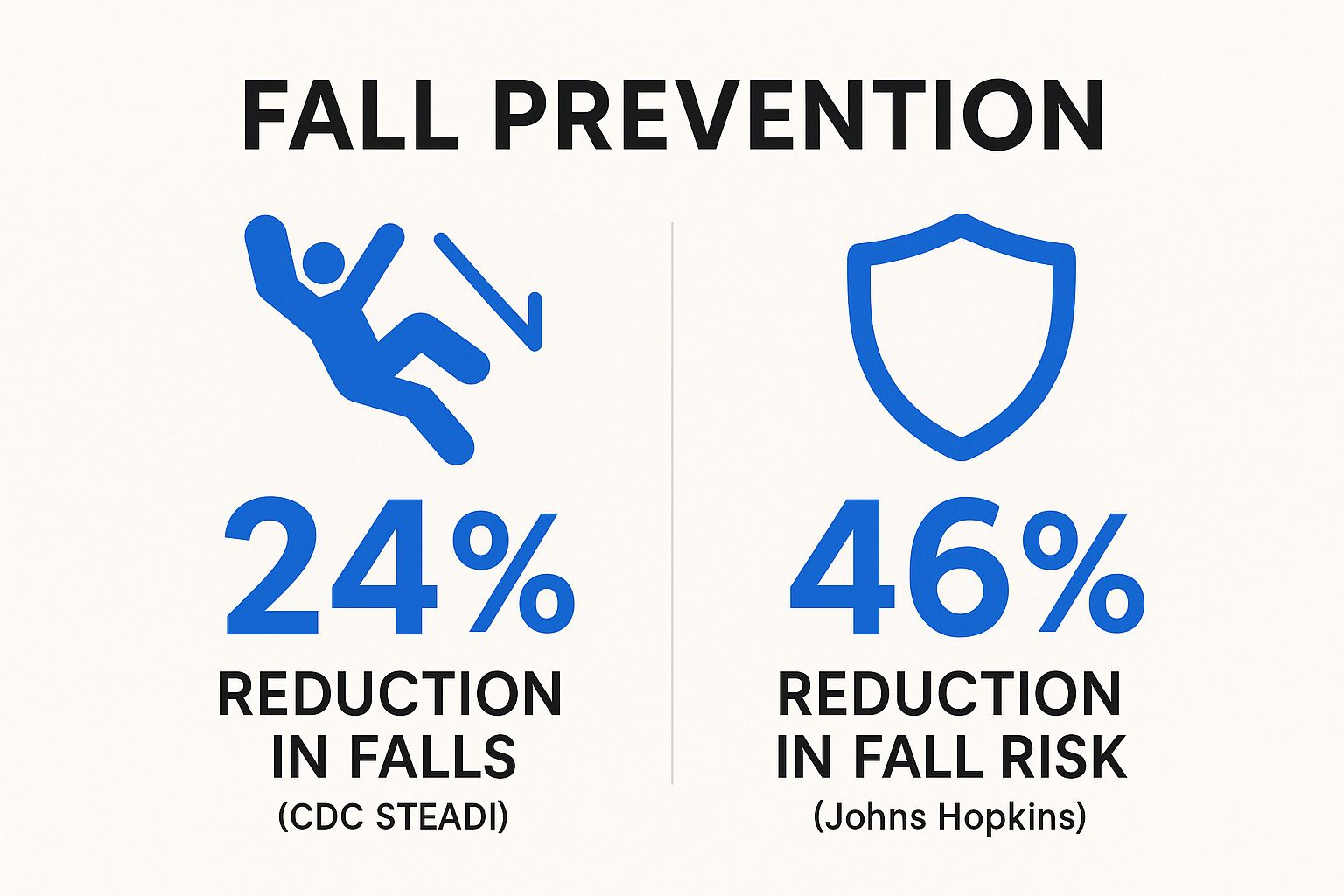
The infographic above visualizes startling statistics about falls among older adults. For example, it highlights that one in four Americans aged 65+ falls each year. This translates to a significant number of injuries and hospitalizations, emphasizing the urgency of fall prevention. The graphic also shows the devastating impact falls can have, including hip fractures and traumatic brain injuries, which can severely limit mobility and independence. Understanding the magnitude of this problem underscores the importance of implementing preventive measures.
Several key features contribute to a fall-proof home. These include removing tripping hazards such as loose rugs, electrical cords, and clutter. Installing grab bars in critical areas like bathrooms and hallways provides additional support and stability. Proper lighting throughout the home, especially in hallways and stairwells, is essential for clear visibility. Non-slip surfaces in bathrooms and kitchens minimize the risk of slips and falls in these high-risk areas.
Pros of implementing fall prevention measures:
- Reduces risk of serious injuries: Prevents debilitating injuries like hip fractures, head trauma, and other fall-related complications.
- Increases confidence in mobility: A safer environment empowers seniors to move around their homes with greater confidence and less fear of falling.
- Maintains independence longer: By preventing falls, seniors can maintain their independence and avoid the need for assisted living or nursing homes.
- Cost-effective compared to medical treatment: The cost of implementing fall prevention modifications is significantly less than the cost of treating fall-related injuries.
Cons of implementing fall prevention measures:
- Some modifications may require professional installation: Installing grab bars or modifying bathrooms may require the expertise of a contractor.
- Initial costs for home modifications: While cost-effective in the long run, there are initial expenses associated with purchasing and installing safety features.
- May require periodic reassessment as mobility changes: As a senior's mobility changes over time, fall prevention measures may need to be adjusted or updated.
Actionable Tips for Fall Prevention:
- Secure or remove loose rugs or use double-sided tape.
- Install handrails on both sides of staircases.
- Keep frequently used items within easy reach to avoid reaching or bending.
- Consider a single-level living arrangement if possible.
- Mark edges of steps with bright, contrasting tape for better visibility.
- For an added layer of security and peace of mind, consider installing security doors at key entry points. This can prevent unauthorized access and also offer a sturdy support point when entering or exiting the home, which can be particularly helpful for seniors with mobility issues. Source: 10 Reasons to Choose Crimsafe for your Security Doors from XL Security and Blinds.
Examples of Successful Implementation:
The CDC's STEADI (Stopping Elderly Accidents, Deaths & Injuries) program has demonstrated up to a 24% reduction in falls through home assessments and modifications. The Johns Hopkins Fall Prevention Program showed a 46% reduction in fall risk through comprehensive assessment and intervention. These programs demonstrate the effectiveness of proactive fall prevention strategies.
Fall prevention is a crucial aspect of elderly home safety, deserving its place at the top of this list. It’s a proactive approach that addresses a major health risk for seniors, promoting independence, well-being, and a higher quality of life. By implementing these measures, we can create safer home environments and empower older adults to live confidently and comfortably.
2. Bathroom Safety Modifications
Bathrooms are a common site of falls and injuries among elderly individuals due to the inherent risks of slippery surfaces, hard fixtures, and the physical demands of bathing and toileting. Modifying the bathroom to enhance safety is crucial for enabling seniors to maintain their independence and reduce the likelihood of accidents. These modifications transform this high-risk area into a safer space for aging in place, promoting both comfort and peace of mind.
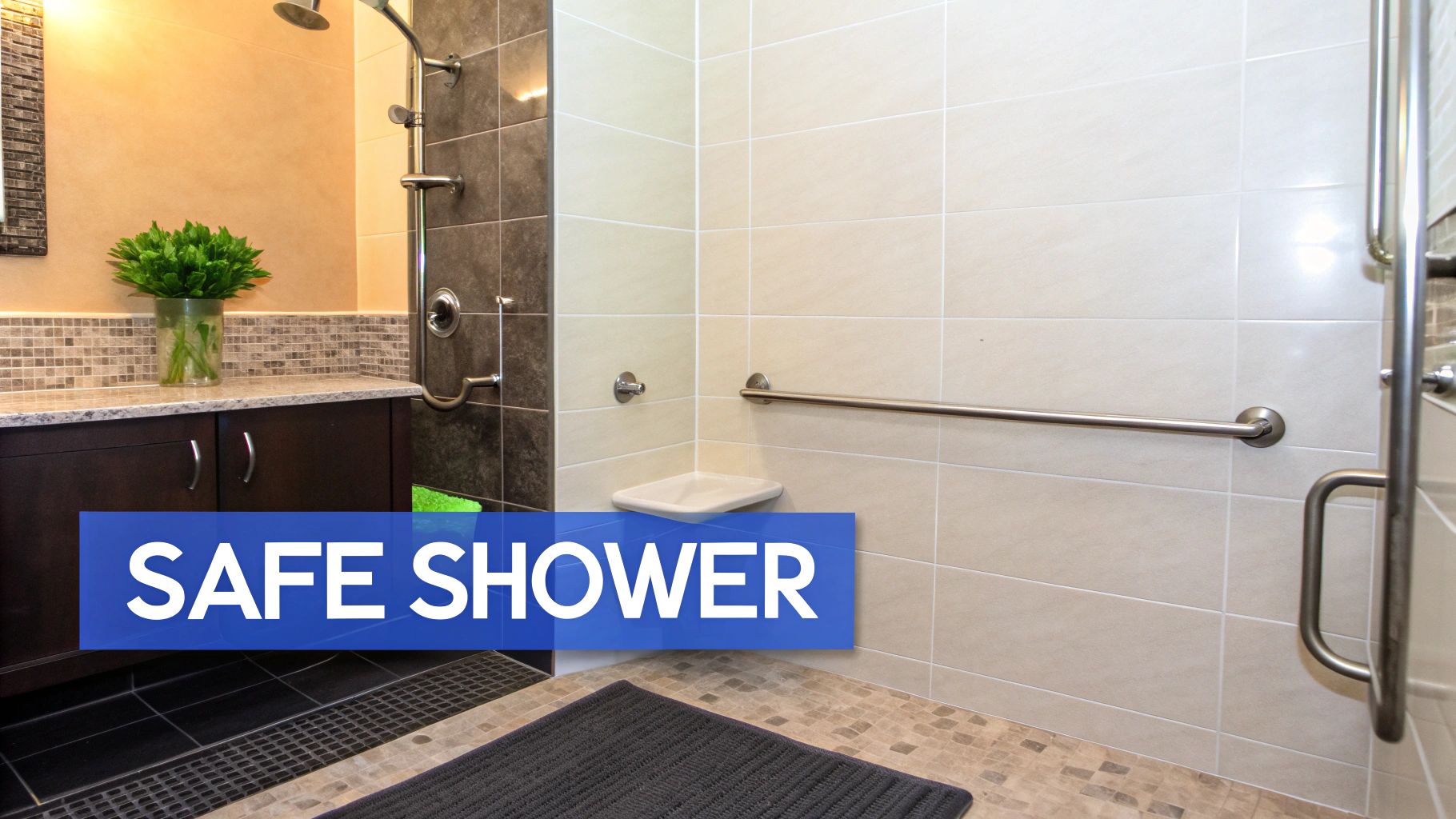
Specific bathroom safety modifications can significantly improve elderly home safety. These changes range from simple additions to more complex renovations, all designed to minimize risks and enhance usability. For example, installing grab bars near the toilet and in the shower provides stable support for seniors while maneuvering in these areas. Replacing a traditional bathtub with a walk-in shower or tub featuring a low threshold eliminates the need to step over a high edge, a common cause of falls. Adding a shower seat allows for comfortable and safe bathing while reducing fatigue. Non-slip flooring and bath mats further minimize the risk of slipping on wet surfaces.
Studies have shown the efficacy of these adaptations. A study in The Gerontologist, for example, found that bathroom modifications reduced falls by up to 58% among elderly participants. The National Institute on Aging also reports that such modifications have been shown to extend aging-in-place by an average of 3-5 years. These statistics highlight the significant impact bathroom safety modifications can have on seniors' well-being and independence.
Features and Benefits:
- Walk-in showers or tubs with low thresholds: Eliminate the high step-over, reducing fall risk.
- Shower seats and hand-held shower heads: Allow for seated showering, conserving energy and improving safety.
- Raised toilet seats with grab bars: Facilitate easier sitting and standing.
- Anti-scald devices for faucets: Prevent burns from excessively hot water.
- Non-slip flooring materials: Minimize slipping hazards.
Pros:
- Significantly reduces fall risk in a high-danger area.
- Promotes continued independence in personal hygiene.
- Can be adapted as mobility needs change.
- Many modifications qualify for tax deductions as medical expenses.
Cons:
- More extensive modifications can be costly.
- May require professional installation.
- Some changes may affect home resale value.
- Retrofitting older homes can be challenging.
Actionable Tips for Enhancing Bathroom Safety:
- Use bright-colored grab bars to improve visibility for those with visual impairments.
- Install lighting in shower stalls to eliminate shadows and improve visibility.
- Use a bath mat with rubber backing outside the shower/tub for added traction.
- Consider a bathroom emergency response system for quick access to help in case of a fall.
- Install lever-style faucet handles for easier operation, especially for those with arthritis.
This approach to elderly home safety is especially beneficial for seniors experiencing mobility challenges, those with chronic illnesses impacting balance or strength, and individuals recovering from surgery or injury. Implementing these modifications allows seniors to maintain their independence and dignity while performing essential daily routines. It also provides peace of mind for family caregivers, knowing their loved ones are safer in their own homes. Companies like Kohler (with their Aging-in-Place bathroom products) and Moen (with their Home Care product line) offer specialized products that cater to the needs of seniors, and professionals certified by the National Association of Home Builders and the American Occupational Therapy Association can provide expert guidance on implementing effective bathroom safety modifications. These resources are invaluable for those seeking to create a safe and accessible bathroom environment for elderly individuals.
3. Fire Safety and Prevention
Fire safety is paramount for elderly home safety. Due to age-related factors like decreased mobility and sensory perception, as well as a higher likelihood of accidentally leaving cooking appliances unattended, seniors face a significantly increased risk from house fires. Implementing comprehensive fire safety measures is therefore not just recommended, it's essential for preventing tragedies and ensuring peace of mind for both seniors and their families.
This is a crucial aspect of elderly home safety because fire-related incidents disproportionately affect older adults. Their ability to react quickly and escape a fire can be compromised, making early detection and prevention absolutely vital.
How it Works:
A multi-layered approach is most effective for fire safety. This includes early detection through interconnected smoke and carbon monoxide detectors with visual alerts, strategically placed fire extinguishers, preventative measures like automatic shut-off devices for stoves and other appliances, and well-defined escape routes with practiced evacuation plans. Modern technology also plays a vital role, with smart detectors capable of connecting to monitoring services and alerting family members remotely.
Features and Benefits:
- Interconnected Smoke and Carbon Monoxide Detectors with Visual Alerts: These provide early warning in case of fire or carbon monoxide leaks, and the visual alerts are particularly helpful for seniors with hearing impairments.
- Fire Extinguishers: Having fire extinguishers readily available on each level of the home allows for quick action in the event of a small, contained fire.
- Automatic Shut-Off Devices: These devices for stoves and other appliances prevent fires caused by unattended cooking, a common fire hazard for seniors.
- Clear Escape Routes and Emergency Evacuation Plans: Well-defined escape routes and regular practice of evacuation plans are crucial for ensuring a quick and safe exit during a fire.
- Flame-Resistant Bedding and Furnishings: Choosing flame-resistant materials for bedding and furniture helps to slow the spread of fire, giving seniors more time to escape.
Pros:
- Early Warning Systems: Interconnected detectors provide critical extra time for evacuation.
- Automatic Shut-Off Features: These prevent common fire causes.
- Modern Detector Connectivity: Smart detectors can connect to monitoring services and alert family members remotely.
Cons:
- Professional Installation: Some systems require professional installation.
- Maintenance: Batteries need regular checking and replacement.
- Cost: Advanced systems can be costly.
- Technological Adaptation: May require technological adaptation for some seniors.
Examples of Successful Implementation:
- The National Fire Protection Association (NFPA) reports that homes with working smoke alarms reduce fire death risk by 55%.
- The Automatic Fire Suppression Systems Association documented a 93% reduction in fire-related injuries in homes with proper detection and suppression systems.
Actionable Tips for Readers:
- Test smoke detectors monthly and replace batteries twice yearly.
- Keep a phone and emergency contact list near the bed.
- Practice an evacuation plan regularly with family members or caregivers.
- Consider stovetop fire-prevention devices like StoveGuard.
- Avoid space heaters or use models with automatic tip-over shut-off features.
- Keep a fire blanket in the kitchen.
When and Why to Use This Approach:
Fire safety measures should be implemented proactively, not reactively. The time to address fire safety is before a fire occurs. These precautions are particularly crucial for elderly individuals living alone or those with mobility or cognitive impairments. It's a vital part of creating a safe and secure home environment for seniors, providing peace of mind for both the elderly individual and their loved ones.
Popularized By:
- National Fire Protection Association's 'Remembering When' program
- First Alert's senior-focused safety products
- FireAvert stove prevention technology
- American Red Cross home fire safety campaigns
This section deserves its place in the list because fire safety is a critical component of elderly home safety. The potential consequences of a fire are particularly severe for seniors, making proactive prevention measures absolutely essential. By following the advice and implementing the suggested features, seniors and their families can significantly reduce the risk of fire-related tragedies.
4. Medication Management Systems: A Cornerstone of Elderly Home Safety
Medication management is a critical aspect of elderly home safety, especially for those managing multiple prescriptions. As we age, remembering to take medications correctly becomes increasingly challenging. Missed doses, accidental double dosing, and dangerous drug interactions can have serious health consequences, jeopardizing the safety and well-being of seniors living at home. Effective medication management systems are essential tools for mitigating these risks and promoting independence. These systems provide a structured approach to medication adherence, reducing errors and providing peace of mind for both seniors and their caregivers. This is why robust medication management is a vital component of any comprehensive elderly home safety plan.
How Medication Management Systems Work:
These systems range from simple to sophisticated, offering various features to suit individual needs. They work by providing reminders, organizing medications, and tracking doses. Here are some common features:
- Automated Pill Dispensers with Alarms: These devices dispense the correct medication at the scheduled time, accompanied by audible and sometimes visual alerts. Some advanced models can even contact a caregiver or monitoring service if a dose is missed.
- Medication Organizers with Time-Specific Compartments: These organizers provide a visual representation of daily medication schedules, making it easier to track doses.
- Smartphone Apps with Medication Reminders: These apps send reminders to take medications and can track adherence. Some apps also offer drug interaction checkers and medication information resources.
- Medication Logs and Charts: These tools provide a manual record of medications taken, allowing for easy tracking and identification of potential issues.
- Lock Boxes for Controlled Substances: Secure storage prevents accidental ingestion or misuse of potentially harmful medications.
Examples of Successful Implementation:
The benefits of medication management systems are well-documented. For example, a study published in JAMA Internal Medicine demonstrated that automated dispensing systems reduced hospitalization rates among elderly patients by 23%. Similarly, the Veterans Affairs Medication Management program showed a 35% improvement in medication adherence by utilizing coordinated reminder systems. These findings highlight the significant impact these systems can have on elderly health and well-being.
Actionable Tips for Readers:
- Keep a Current List: Maintain an updated list of all medications, including dosages, administration times, and the purpose of each medication. Share this list with all healthcare providers.
- Visual and Auditory Reminders: Opt for a system that incorporates both visual and auditory reminders to enhance effectiveness.
- Regular Medication Reviews: Schedule regular medication reviews with healthcare providers to assess the ongoing appropriateness and effectiveness of all prescribed medications.
- Proper Disposal: Discard expired or discontinued medications safely according to FDA guidelines.
- Consolidated Pharmacy: If possible, use a single pharmacy for all prescriptions to simplify medication management and facilitate communication between healthcare professionals.
- Smart Pill Bottle Caps: Consider using pill bottle caps that track when medications were last opened. This provides an additional layer of safety and monitoring.
Pros and Cons:
Pros:
- Reduces medication errors significantly (up to 87% according to some studies)
- Improves medication adherence rates
- Provides peace of mind for caregivers and family members
- Many systems generate reports for healthcare providers
- Some include automatic refill notifications
Cons:
- Electronic systems can be challenging for tech-averse seniors
- Power outages can affect electronic dispensers
- Higher-end systems can be expensive
- May require regular restocking and programming
Popularized By:
- MedMinder automated pill dispenser systems
- Hero Health's medication management device
- Philips Medication Dispensing Service
- PillPack by Amazon Pharmacy
- Reminder Rosie voice-activated reminder system
When and Why to Use This Approach:
Medication management systems are particularly beneficial for:
- Seniors taking multiple medications
- Individuals with memory impairment or cognitive decline
- Those who live alone or have limited caregiver support
- Individuals experiencing difficulty managing their medications independently
By implementing a suitable medication management system, seniors can maintain their independence, reduce medication errors, and improve their overall health and safety at home. It is a crucial step in creating a safer and more supportive living environment.
5. Emergency Response Systems
Emergency response systems are a crucial element of elderly home safety, providing a lifeline for seniors living independently. These systems offer immediate access to help in the event of a fall, medical emergency, or other crisis. They work by enabling seniors to quickly call for assistance, even if they are unable to reach a phone. This rapid response can be life-saving, particularly in situations where every second counts.
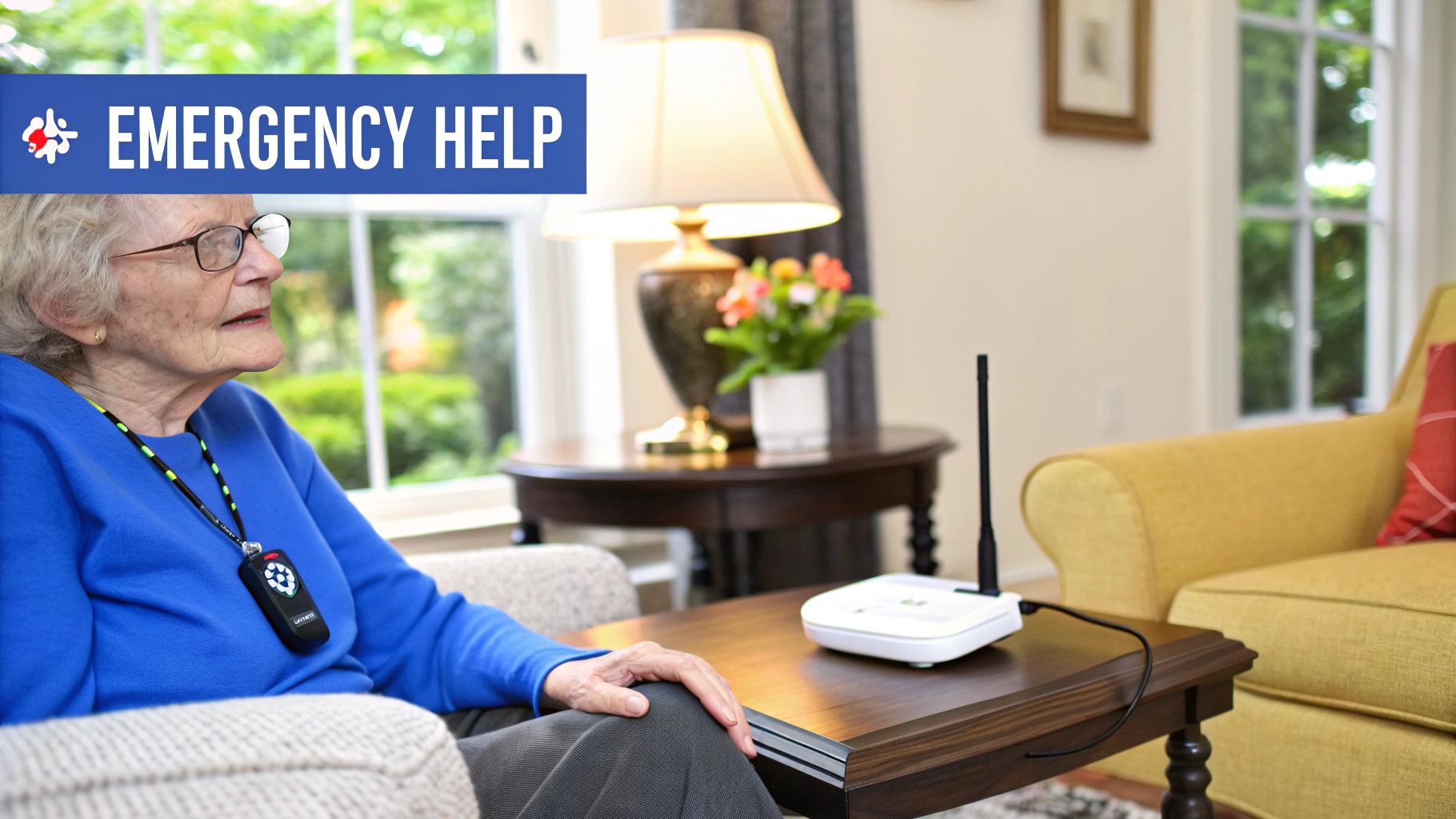
These systems come equipped with various features designed to address the specific needs of elderly individuals. Wearable alert buttons, available as pendants, wristbands, or watches, allow users to easily trigger an alarm. Many systems incorporate fall detection technology, automatically signaling for help if a fall is detected, even if the user is unconscious. Two-way communication with monitoring centers ensures that help is dispatched quickly and efficiently. GPS tracking, available in some systems, helps pinpoint the user's location, especially useful for seniors prone to wandering. Mobile options extend the protection beyond the home, providing peace of mind while on the go. Some advanced systems even integrate with smartphones and home automation systems for seamless connectivity and enhanced monitoring capabilities, including tracking vital signs and movement patterns.
The benefits of emergency response systems are well-documented. They provide 24/7 access to emergency assistance, significantly reducing emergency response times—by an average of 30 minutes. This rapid response can drastically improve outcomes in critical situations. A study in the New England Journal of Medicine found that seniors using medical alert systems experienced 26% fewer hospitalizations. Furthermore, the American Journal of Public Health reported a significantly higher mortality rate among fall victims who couldn't call for help and remained on the floor for over an hour, compared to those who received immediate assistance. These systems empower seniors to maintain their independence while ensuring their safety.
While the advantages are clear, it's important to consider the potential drawbacks. Monthly subscription fees can be a significant expense for some. Certain wearable devices might be perceived as stigmatizing or uncomfortable. Battery maintenance is necessary, and some systems have range limitations. False alarms can also occur with automatic fall detection systems.
Tips for Choosing and Using an Emergency Response System:
- Water Resistance: Choose water-resistant options for safe use in the shower.
- Regular Testing: Test the system monthly to ensure proper functionality.
- Battery Backup: Opt for a system with battery backup in case of power outages.
- Fall Detection: Consider systems with automatic fall detection, especially for high-risk individuals.
- Multiple Buttons: Keep several help buttons in strategic, high-risk areas around the home.
- Contact Information: Ensure the service has access to updated emergency contact information.
Emergency response systems are an invaluable tool for promoting elderly home safety, offering a sense of security and peace of mind for both seniors and their families. Companies like Life Alert (known for their iconic "I've fallen and I can't get up" commercials), Philips Lifeline, Medical Guardian, Bay Alarm Medical, and even the Apple Watch with its fall detection feature, have popularized these systems and made them more accessible. By carefully weighing the pros and cons and following the tips provided, you can choose a system that best meets the individual needs and preferences of your loved one. This proactive approach can significantly enhance their safety and well-being, enabling them to live more confidently and independently in their homes.
6. Kitchen Safety Adaptations
The kitchen, often the heart of the home, can unfortunately present a range of hazards for elderly individuals. From burns and fires to difficulties reaching items and managing heavy cookware, the risks can significantly impact their independence and safety. Adapting the kitchen environment is a crucial step in promoting elderly home safety and allowing seniors to continue enjoying meal preparation and time spent in this important space. This is why kitchen safety deserves a prominent place on any elderly home safety checklist.
How Kitchen Adaptations Work:
The core principle behind kitchen adaptations is to modify the existing layout and appliances to minimize risks and maximize usability for seniors with varying physical abilities. This can involve simple adjustments like rearranging items or more complex modifications like installing new countertops. The goal is to create a safer and more ergonomic space that supports independence.
Features and Benefits:
Several key features contribute to a safer kitchen for elderly individuals:
- Automatic shut-off features for stoves and appliances: These prevent fires if a stovetop is left unattended, a common concern for seniors experiencing memory loss.
- Pull-out shelving: Easier access to stored items reduces the need for reaching and bending, minimizing strain and the risk of falls.
- Touch or lever faucets: These are easier to operate for individuals with arthritis or limited hand strength.
- Anti-scald devices for sinks: These regulate water temperature to prevent burns.
- Contrasting colors to improve visibility: Using contrasting colors for countertops, cabinets, and controls improves visibility for those with declining vision.
- Lowered or variable-height countertops: Adjustable countertops accommodate users of different heights and those who use wheelchairs.
Pros:
- Prevents common kitchen accidents like burns and fires.
- Reduces physical strain from reaching and bending.
- Enables continued independence in meal preparation.
- Many adaptations benefit users of all ages, promoting universal design.
- Can increase home value with universal design features.
Cons:
- Major adaptations can be expensive.
- Some modifications require professional installation.
- Retrofitting older kitchens may be challenging.
- Smart appliances may have learning curves for some seniors.
Examples of Successful Implementation:
- The National Kitchen and Bath Association reports that kitchen safety modifications can reduce accidents by up to 40% among elderly residents.
- A study from the Center for Inclusive Design and Environmental Access found that strategic kitchen adaptations extended independent living by an average of 3.2 years.
Actionable Tips for Readers:
- Rearrange frequently used items to waist-height shelves: This minimizes reaching and bending.
- Use lightweight cookware and utensils: Reduces strain on wrists and hands.
- Install bright, direct lighting over work areas: Improves visibility and reduces the risk of accidents.
- Consider induction cooking surfaces: These remain cool to the touch, minimizing burn risks.
- Use contrast colors for countertop edges: Improves visibility and prevents falls.
- Keep a sturdy step stool with a handrail for reaching higher items: Provides safe access to higher shelves while minimizing fall risks.
- Install smoke and carbon monoxide detectors near the kitchen: Essential safety devices for any home, particularly for seniors.
When and Why to Use This Approach:
Kitchen adaptations should be considered proactively, even before mobility or cognitive issues become apparent. They are especially important for seniors aging in place, those experiencing physical limitations, or individuals with cognitive decline. These adaptations can significantly enhance safety, independence, and overall quality of life for elderly individuals.
Popularized By:
- AARP's HomeFit Guide kitchen recommendations
- GE's Universal Design kitchen appliances
- OXO Good Grips accessible kitchen tools
- Certified Aging-in-Place Specialists (CAPS)
While there is no single website link encompassing all these resources, searching for these terms will provide helpful information. For example, searching for "AARP HomeFit Guide" will direct you to their resources on home safety. Consulting with a CAPS professional can provide personalized recommendations and assistance with implementing kitchen safety adaptations tailored to individual needs and circumstances. This is particularly relevant for our target audience at Caring Hands Senior Services, which includes seniors, family caregivers, and healthcare professionals seeking to improve elderly home safety.
7. Home Monitoring Technology: Enhancing Elderly Home Safety
Home monitoring technology plays a crucial role in elderly home safety by providing a layer of passive supervision for seniors, especially those living alone. This technology uses a variety of sensors and smart devices to detect unusual patterns or emergencies, offering a valuable safety net while preserving a senior's privacy and independence. This approach promotes aging in place by allowing individuals to remain in their homes comfortably and safely for longer periods.
How it Works: Home monitoring systems utilize a network of interconnected devices to keep track of activity within the home. These can include:
- Motion sensors: Detect movement (or lack thereof) in various areas of the house.
- Door/window sensors: Monitor entries and exits, alerting to potential intrusions or if a door is left open inadvertently.
- Inactivity alerts: Triggered when the system detects an unusual period of inactivity, which could indicate a fall or other emergency.
- Smart appliance monitoring: Tracks usage patterns of appliances like stoves and refrigerators, potentially identifying safety concerns or cognitive decline.
- Sleep tracking systems: Monitor sleep quality and duration, which can be important indicators of overall health.
- Video monitoring options with privacy controls: Allows for visual check-ins while respecting privacy. These systems can often be configured to only record in specific circumstances or areas.
- AI and machine learning capabilities: The most advanced systems learn the senior's normal routines and can more accurately detect deviations that might signal a problem.
Examples of Success: Studies have demonstrated the positive impact of home monitoring technology on elderly home safety:
- A study in JAMA found that passive monitoring systems reduced emergency department visits by 17% among monitored seniors. This demonstrates the potential of these systems to prevent serious incidents and improve overall well-being.
- The Center for Technology and Aging reported that sensor-based monitoring extended aging-in-place by an average of 2 years compared to non-monitored seniors with similar health profiles. This highlights the significant contribution of this technology to independent living.
Pros and Cons:
Pros:
- Non-intrusive monitoring without cameras in private spaces respects dignity and independence.
- Alerts family members to potential problems, providing peace of mind, particularly for those living far away.
- Detects gradual changes in behavior that might indicate emerging health issues.
- Offers a greater degree of privacy and autonomy compared to constant human supervision.
Cons:
- Initial setup costs and ongoing monthly subscription fees can be significant.
- Requires internet connectivity and some technical setup, which can be challenging for some seniors.
- Some individuals may find any form of monitoring intrusive, regardless of its passive nature.
- Potential for false alarms, which can create anxiety and necessitate careful system calibration.
Actionable Tips for Implementation:
- Involve the senior: Crucially, involve the senior in system selection and setup decisions to ensure their comfort and acceptance.
- Start small: Begin with minimal monitoring and gradually add features as needed.
- Clear protocols: Establish clear protocols for alerts and responses with family members, caregivers, or emergency services.
- Simple interface: Choose systems with user-friendly interfaces that are easy for seniors to understand and interact with.
- Integration: Consider solutions that integrate with existing smart home technology.
- Regular review: Regularly review and adjust the system's sensitivity to minimize false alarms.
Why Home Monitoring Deserves a Place on This List:
Home monitoring technology offers a powerful solution for improving elderly home safety by providing a balance between independence and security. It empowers seniors to age in place while offering reassurance to families. By detecting potential problems early and facilitating timely interventions, these systems can significantly enhance quality of life and contribute to a safer home environment. While cost and privacy concerns are valid, the potential benefits for both seniors and their families make home monitoring a valuable consideration for anyone seeking to enhance elderly home safety. Examples of popular systems include GrandCare Systems, Amazon Alexa Care Hub, Alarm.com Wellness, Lively Home by GreatCall, and Caregiver Smart Solutions.
7 Key Elderly Home Safety Tips Comparison
| Safety Tip | Implementation Complexity 🔄 | Resource Requirements ⚡ | Expected Outcomes 📊 | Ideal Use Cases 💡 | Key Advantages ⭐ |
|---|---|---|---|---|---|
| Fall Prevention Measures | Moderate: home modifications needed; some professional help recommended | Low to Moderate: materials like grab bars, lighting, non-slip surfaces | Up to 46% reduction in fall risk; reduces serious injuries | Homes with elderly residents prone to falls | Cost-effective; maintains independence; boosts confidence |
| Bathroom Safety Modifications | Moderate to High: involves structural changes, professional installation often required | Moderate to High: specialized fixtures and anti-scald devices | Up to 58% fall reduction in bathrooms; extends aging-in-place by 3-5 years | High-fall-risk bathrooms; elderly with mobility challenges | Significant fall risk reduction; tax deductible; adaptable |
| Fire Safety and Prevention | Moderate: installation of detectors and extinguishers; some tech adaptation | Moderate: detectors, extinguishers, automatic shut-off devices | 55% reduction in fire death risk; up to 93% fewer injuries | Homes with cooking appliances, elderly with sensory/mobility issues | Early warnings; automatic prevention; remote alerts possible |
| Medication Management Systems | Moderate: use of electronic or manual organizers; tech familiarity needed | Moderate to High: devices, apps, pill boxes, refills | Up to 87% reduction in medication errors; 23-35% fewer hospitalizations | Seniors on multiple medications; caregivers monitoring adherence | Improves adherence; peace of mind; report generation capabilities |
| Emergency Response Systems | Moderate: device setup and monitoring subscription required | Moderate to High: wearable devices, monitoring services | 26% fewer hospitalizations; 30 min faster emergency response | High-risk seniors; those living alone or with fall history | 24/7 access to help; automatic fall detection; GPS tracking |
| Kitchen Safety Adaptations | Moderate to High: appliance upgrades, cabinetry changes; professional help often required | Moderate to High: safety devices, adaptive tools, lighting | Up to 40% fewer kitchen accidents; adds ~3.2 years independent living | Seniors cooking independently; kitchens with fire/burn risks | Prevents burns/fires; reduces strain; supports independence |
| Home Monitoring Technology | High: complex tech installation and setup; connectivity needed | Moderate to High: sensors, monitoring plans, internet access | 17% fewer emergency visits; 2 years longer aging-in-place | Seniors living alone; family monitoring from a distance | Passive, non-intrusive; behavioral alerts; preserves autonomy |
Embracing a Future of Safe and Independent Living
Prioritizing elderly home safety is not just about preventing accidents; it's about fostering an environment where our loved ones can thrive independently and confidently. This article has explored seven key areas of focus, from fall prevention measures and bathroom modifications to implementing medication management systems and leveraging home monitoring technology. By addressing potential hazards in these areas and incorporating simple yet effective adaptations, we can significantly reduce risks and enhance the overall well-being of our aging family members. Mastering these elderly home safety concepts empowers seniors to maintain their independence, reduces the burden on family caregivers, and ultimately contributes to a higher quality of life for everyone involved.
Taking proactive steps today can make a world of difference in ensuring a secure and fulfilling future for our elderly loved ones. If you reside in the Mercer County area, including Hamilton and Princeton, and are seeking expert guidance on implementing these elderly home safety tips, consider contacting Caring Hands Senior Services. Our dedicated team can help assess your loved one's unique needs and develop a personalized home care plan to maximize their safety and independence. Caring Hands Senior Services
