
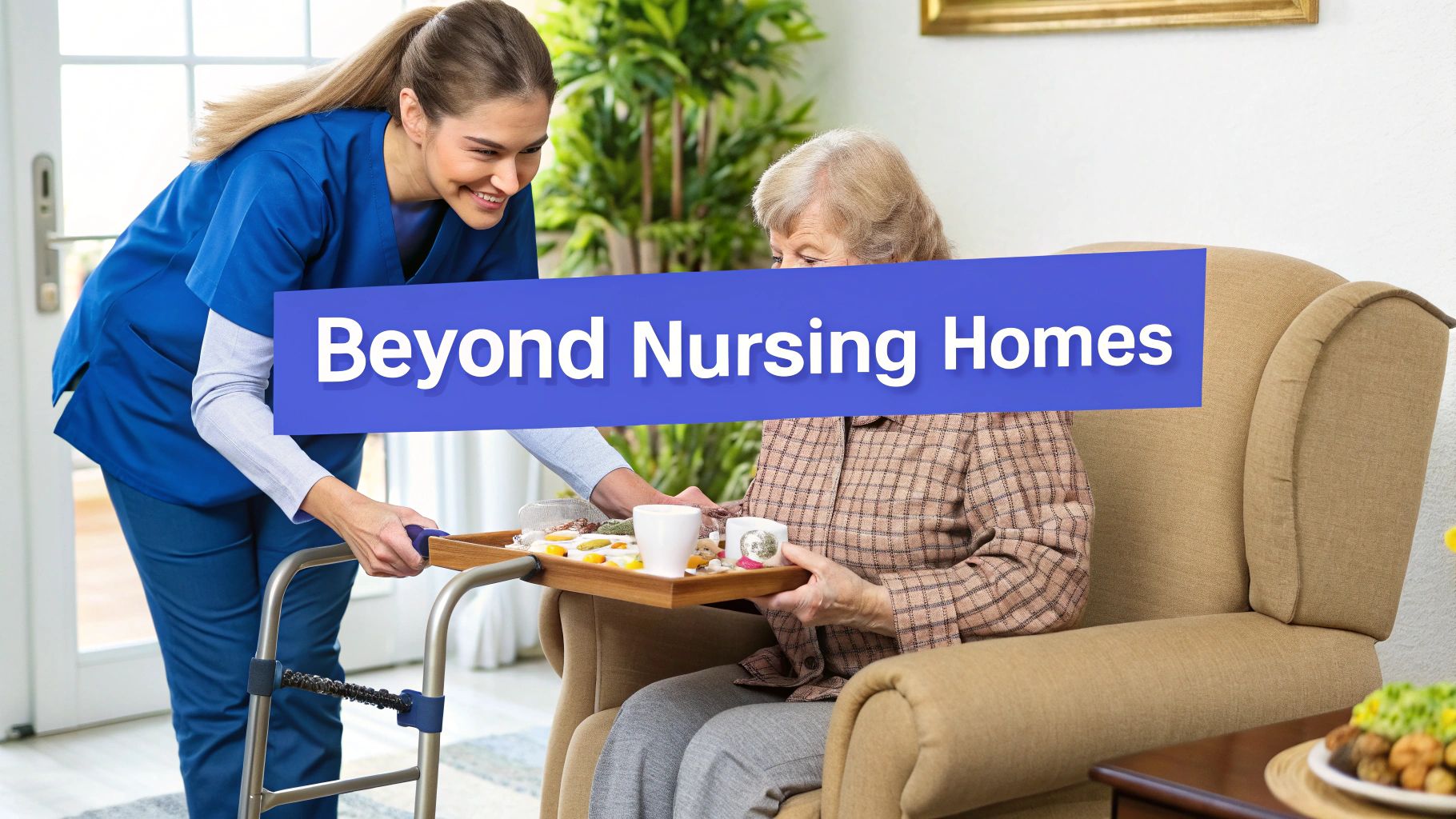
Choosing the right care for an aging loved one is one of the most significant decisions a family can make. While nursing homes have traditionally been a default option for long-term care, a growing number of families are discovering a landscape rich with compassionate, flexible, and empowering alternatives. The modern goal has shifted from simply finding a safe place to ensuring a high quality of life, preserving independence, and honoring individual preferences. This change reflects a deeper understanding that one size does not fit all when it comes to senior living and support.
This comprehensive guide is designed to provide clarity and confidence as you navigate this important journey. We will explore 10 viable alternatives to nursing homes, each offering a unique approach to senior care. For every option, we'll provide an actionable breakdown covering:
- A clear description of the service model.
- The primary pros and cons to consider.
- Typical costs and funding sources.
- Key eligibility requirements, with a special focus on options available in New Jersey and through Medicaid.
Whether you're proactively planning for the future or facing an immediate need, this roundup will equip you with the essential information to choose a path that truly fits your family’s circumstances, values, and the well-being of your loved one. Let’s explore the possibilities beyond traditional institutional care.
1. In-Home Care Services
One of the most direct and personalized alternatives to nursing homes is professional in-home care. This service allows older adults to age in place by bringing skilled caregivers directly into their familiar surroundings. These professionals assist with a wide range of needs, from activities of daily living (ADLs) like bathing, dressing, and meal preparation to more complex support like medication reminders and mobility assistance.

The core benefit is maintaining independence and comfort in one's own home, surrounded by personal belongings and memories. This continuity can significantly improve quality of life and reduce the emotional stress associated with moving to an institutional facility. Leading providers like NJ Caregiving in Mercer County and national networks such as Home Instead Senior Care specialize in creating customized care plans that adapt as needs change.
Key Considerations and Action Steps
To successfully implement in-home care, a structured approach is crucial.
- Start with an Assessment: Begin with a comprehensive in-home assessment from a reputable agency to accurately identify the level of care required.
- Verify Credentials: Always ensure the agency conducts thorough background checks, verifies certifications, and provides ongoing training for its caregivers.
- Plan for Costs: In New Jersey, Medicaid and specific Home and Community-Based Services (HCBS) waivers can help cover the cost for eligible individuals. Private pay rates typically range from $25 to $35 per hour.
- Document Everything: Create a detailed care plan in writing that outlines specific tasks, preferences, and emergency contacts. This document should be reviewed and updated regularly.
Expert Insight: Clear, consistent communication is the cornerstone of effective in-home care. Schedule regular check-ins with the caregiver and agency supervisor to discuss progress, address concerns, and make necessary adjustments to the care plan.
By bringing support directly to the senior, in-home care offers a powerful solution for those who wish to remain independent. For more detailed guidance, learn more about how to find the right in-home care services for the elderly.
2. Adult Day Care Centers
Adult day care centers offer a structured, community-based alternative to nursing homes, providing a safe and engaging environment for seniors during daytime hours. These programs deliver a valuable blend of social interaction, therapeutic activities, and health monitoring, allowing participants to return to their own homes in the evening. This model supports seniors’ desire to live at home while also providing essential respite for family caregivers who may have work or other responsibilities.
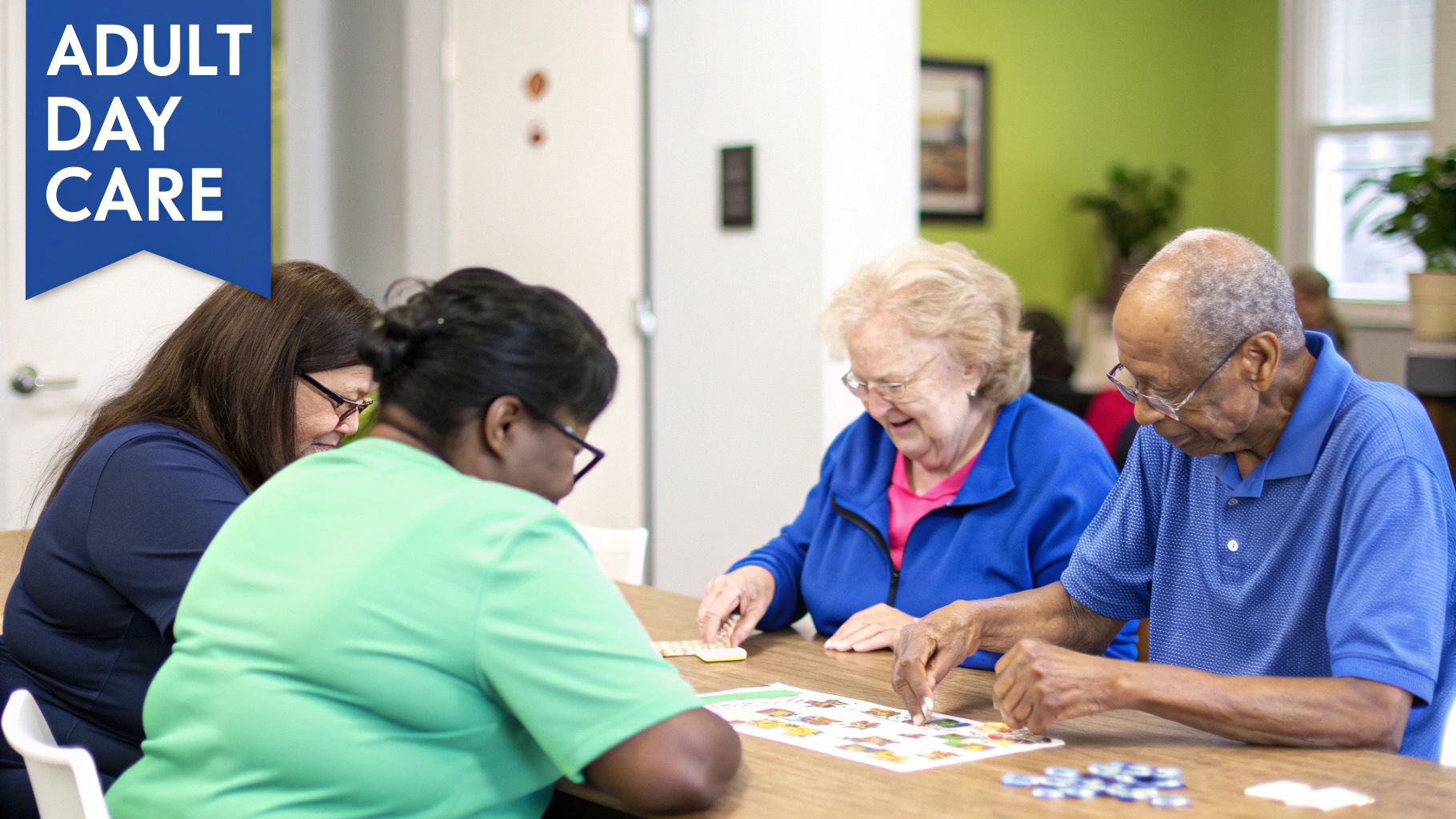
The primary benefit is the combination of social stimulation and professional supervision. Participants can enjoy planned activities, shared meals, and companionship, which combats the isolation many seniors experience. Centers like Princeton Adult Day Care and Bridges Adult Day Services in New Jersey are excellent examples, offering programs designed to enhance cognitive function and physical well-being. This approach provides a balanced solution that supports both the senior and their family.
Key Considerations and Action Steps
Choosing the right adult day care center requires careful evaluation and planning.
- Assess the Environment: Visit multiple centers to observe the atmosphere, staff-to-participant ratios, and cleanliness. Ensure the environment feels welcoming and engaging.
- Review Programming: Ask for a detailed activity schedule. Look for a mix of physical, social, and mental exercises. It's important to find programs that align with your loved one's interests and abilities.
- Clarify Costs and Coverage: In New Jersey, Medicaid’s Managed Long-Term Services and Supports (MLTSS) program often covers adult day care for eligible individuals. Private pay rates can vary, so get a clear list of all costs, including transportation and meals.
- Check Staff Qualifications: Inquire about the training, certifications, and experience of the staff, particularly those who manage health services or specialized memory care programs.
Expert Insight: The best programs are tailored to the individual. Discuss your loved one's specific needs, from dietary restrictions to cognitive support, with the center's director to ensure they can provide personalized, effective care.
By offering a daytime community, these centers serve as a vital support system. To understand the importance of mental engagement, explore these cognitive activities for seniors.
3. Assisted Living Facilities (ALF)
For seniors who desire independence within a supportive community, assisted living facilities (ALFs) present one of the most popular alternatives to nursing homes. These residential communities provide housing, meals, and social activities, alongside personalized assistance with activities of daily living (ADLs) like medication management, bathing, and dressing. This model bridges the gap between independent living and the intensive medical supervision of a nursing home.
The primary advantage of an ALF is the combination of privacy and community. Residents live in their own apartments or rooms but have easy access to shared dining spaces, recreational programs, and 24-hour staff support. Leading providers like Sunrise Senior Living and Brookdale Senior Living operate numerous facilities across New Jersey, offering a range of amenities and care levels designed to foster an engaging and secure environment.
Key Considerations and Action Steps
Choosing the right ALF requires careful research and evaluation.
- Assess the True Cost: Get a detailed breakdown of all fees, including base rent and tiered charges for additional care services. Compare this total cost to what a comprehensive in-home care plan might look like.
- Verify Licensing and Staffing: Check the facility’s licensing and complaint history through the NJ Department of Health. Ask direct questions about staff-to-resident ratios, caregiver qualifications, and employee turnover rates.
- Tour at Different Times: Visit potential facilities more than once, including during evenings or mealtimes, to observe the atmosphere, staff interactions, and resident engagement levels.
- Review Contracts Carefully: Understand all contract terms, especially policies regarding rate increases, discharge, and refunds. Ask if short-term or trial stays are available to test the fit.
Expert Insight: An assisted living community should feel vibrant and welcoming. During your tour, pay close attention to how staff members interact with residents. Genuine warmth and respect are non-negotiable and are often the best indicators of high-quality care.
By offering a balanced blend of autonomy and support, ALFs provide a structured yet flexible solution. For those needing help determining the right level of care, a professional assessment can clarify whether ALF or another option like in-home support is more appropriate.
4. Memory Care/Dementia-Specialized Programs
For seniors living with Alzheimer's disease or other forms of dementia, standard care settings are often insufficient. Memory care programs are a crucial alternative, offering specialized residential or in-home services tailored to the unique challenges of cognitive impairment. These programs provide secure environments, specially trained staff who understand dementia behaviors, and structured, therapeutic activities designed to engage residents at their current cognitive level.
The primary benefit is safety and specialized support. Features like secured perimeters, color-coded hallways, and sensory-based activities help reduce agitation and improve the quality of life. Leading providers, from specialized in-home services like NJ Caregiving's dementia care to dedicated residential communities such as those offered by Sunrise Senior Living, focus on creating predictable routines and a calming atmosphere that supports cognitive function.
Key Considerations and Action Steps
Implementing memory care requires proactive planning and a focus on specialized needs.
- Secure an Early Diagnosis: A formal diagnosis of cognitive impairment is the first step. This allows you to access specialized resources and plan for future care needs effectively.
- Evaluate the Environment: Whether at home or in a facility, the environment must be adapted for safety. This includes securing exits, removing tripping hazards, and using clear labeling.
- Plan for Progression: Dementia is a progressive condition. Choose a provider or plan that can adapt as needs increase, from early-stage in-home support to more intensive, late-stage care.
- Investigate NJ Funding: New Jersey’s Medicaid Managed Long Term Services and Supports (MLTSS) program can help cover costs for eligible individuals, including in-home and facility-based memory care.
Expert Insight: Focus on person-centered care. A high-quality memory care program will create a detailed plan based on the individual's life history, preferences, and remaining abilities, not just their diagnosis.
By choosing a program designed for cognitive challenges, families can provide a safer and more enriching environment. Learn more about how to find the right in-home dementia care services for a loved one.
5. Continuing Care Retirement Communities (CCRCs)
For those seeking a long-term, all-in-one solution, Continuing Care Retirement Communities (CCRCs) offer a comprehensive approach to aging. These communities provide a full continuum of care on a single campus, allowing residents to transition seamlessly from independent living to assisted living and, if needed, skilled nursing care. This model offers stability and predictability, eliminating the need to move as health needs evolve.
The primary advantage is the peace of mind that comes from having future care needs secured within a familiar community. Residents can maintain social connections and routines even as their support requirements change. Prominent examples in New Jersey include Friends Village at Woodstown and Applegate Group communities, which are designed to support residents through every stage of aging. This integrated environment makes them one of the most stable alternatives to nursing homes.
Key Considerations and Action Steps
Navigating the CCRC landscape requires careful financial and legal planning.
- Understand the Financial Model: Most CCRCs require a significant one-time entrance fee plus ongoing monthly fees. Scrutinize the contract to understand what services are covered and how fees may increase as you move to higher levels of care.
- Verify Financial Stability: Investigate the CCRC's financial health and occupancy rates. A financially sound community is crucial for ensuring it can fulfill its long-term care promises.
- Seek Legal Review: Before signing any contract, have it thoroughly reviewed by an elder law attorney. They can help clarify the terms of the care guarantee, refund policies, and clauses related to care escalation.
- Ask About Medicaid: Inquire specifically about their policy for residents who may eventually exhaust their private funds. Confirm if they have Medicaid-certified beds available and understand the process for transitioning.
Expert Insight: The CCRC contract is a lifelong commitment. Visit your top choices multiple times, at different times of day, and speak directly with current residents to get an authentic feel for the community, management, and quality of life.
6. Medicaid Home and Community-Based Services (HCBS) Waivers
For eligible individuals, Medicaid Home and Community-Based Services (HCBS) waivers represent one of the most powerful financial alternatives to nursing homes. These state-administered programs allow Medicaid funds to be used for long-term care services provided in a person's home or community, rather than in an institutional facility. This helps seniors maintain independence and remain in a familiar environment.
The core benefit of an HCBS waiver is that it provides access to essential services like personal care assistance, respite care, and home health aides at little to no out-of-pocket cost. In New Jersey, programs like the Managed Long Term Services and Supports (MLTSS) are designed specifically for this purpose, enabling seniors to direct their own care with providers like NJ Caregiving, which is fully certified to accept Medicaid.
Key Considerations and Action Steps
Navigating the Medicaid system requires diligence and preparation.
- Confirm Eligibility: Start by contacting the New Jersey Department of Human Services or your local County Board of Social Services to understand the specific medical and financial eligibility criteria for MLTSS.
- Gather Documentation: Be prepared to provide comprehensive documentation of income, assets, and medical needs. This includes bank statements, property deeds, and physician assessments.
- Apply Early: The application and approval process can be lengthy, and some programs may have waiting lists. It's wise to begin the process as soon as the need for care becomes apparent.
- Choose a Certified Agency: When selecting an in-home care provider, ensure they are certified to accept New Jersey Medicaid. This guarantees that services will be covered under the waiver program.
Expert Insight: Don't hesitate to seek professional guidance. A certified elder law attorney or a Medicaid planning consultant can be invaluable in navigating the complex application process, especially when dealing with asset protection and spend-down requirements.
HCBS waivers make aging in place a financially viable reality for many, preventing premature institutionalization and preserving a senior's connection to their home and community.
7. Co-Housing and Shared Living Arrangements
For seniors who value community and mutual support, co-housing presents a compelling alternative to traditional senior living. These intentional communities involve private homes clustered around shared spaces, such as a common house with a large kitchen, dining area, and recreational facilities. Residents actively participate in the community's management, sharing responsibilities and fostering strong social bonds.
The core benefit is the blend of privacy and community, combating the isolation that many older adults face. This model allows residents to maintain their independence while benefiting from shared resources, group meals, and an built-in support network of neighbors. Organizations like The Cohousing Association of the United States provide resources and directories, while intergenerational models connect seniors with younger individuals or families for mutual benefit.
Key Considerations and Action Steps
Successfully transitioning to a shared living model requires careful planning and a community-oriented mindset.
- Research and Visit: Explore existing communities to understand their culture and governance. Visit several options to find a community that aligns with your social, financial, and lifestyle preferences.
- Clarify Legal and Financials: Work with legal and financial advisors to understand the ownership structure, HOA fees, and shared expense agreements. Ensure all terms are documented in writing.
- Assess Care Needs: Co-housing is not a substitute for medical care. Plan how personal care needs will be met, which may involve pooling resources to hire a shared caregiver or supplementing with professional in-home care services as needed.
- Define Responsibilities: Have transparent conversations about community responsibilities, such as cooking, cleaning shared spaces, and groundskeeping, to ensure expectations are clear from the start.
Expert Insight: The success of co-housing hinges on social compatibility and shared values. Before committing, participate in community events and get to know your potential neighbors to ensure a good fit.
This living arrangement is one of the most socially integrated alternatives to nursing homes, offering a vibrant, collaborative environment for active seniors.
8. Respite Care Services
Caring for a loved one is a rewarding but demanding role, and Respite Care Services offer a crucial lifeline. This alternative to nursing homes provides short-term, temporary relief for primary caregivers, allowing them to rest, recharge, or attend to personal matters. A professional caregiver steps in for a few hours, a full day, or even several weeks, ensuring the senior receives uninterrupted, high-quality care in their familiar environment.
The primary benefit is preventing caregiver burnout, which is a significant risk factor for premature institutionalization. By providing planned breaks, respite care supports the sustainability of family caregiving, making it possible for seniors to remain at home longer. Providers like NJ Caregiving in Mercer County offer flexible respite schedules, and many adult day care centers also provide this service as part of their programs.
Key Considerations and Action Steps
To integrate respite care effectively, proactive planning is essential.
- Plan Proactively: Don't wait for a crisis or burnout. Schedule respite care regularly, even if it's just for a few hours each week, to maintain your well-being.
- Check Eligibility: In New Jersey, Medicaid waiver programs like MLTSS often include a specific allotment of respite care hours. Check with your case manager to see what benefits are available.
- Start Small: If your loved one is hesitant, begin with short respite periods of just a few hours. This helps build trust and comfort with the new caregiver over time.
- Create Detailed Instructions: Prepare a comprehensive guide for the respite caregiver that includes medication schedules, meal preferences, daily routines, and emergency contacts to ensure a seamless transition.
Expert Insight: View respite care not as an emergency backup but as an integral part of your long-term care strategy. Consistent, scheduled breaks are essential for the health of both the caregiver and the care recipient, making long-term home care a more sustainable option.
By giving family caregivers the support they need, respite care serves as a powerful tool for preventing burnout and is a cornerstone of a successful aging-in-place plan.
9. Geriatric Care Management and Aging in Place Programs
Navigating the complexities of elder care can be overwhelming, which is where professional geriatric care management comes in. This service provides a dedicated advocate, often a licensed nurse or social worker, who acts as a "quarterback" for a senior's care. They conduct comprehensive assessments, create and manage a detailed care plan, and coordinate all necessary services, ensuring a cohesive approach to aging in place.
The primary benefit is expert, objective guidance that helps families make informed decisions and prevent crises. These managers help families find appropriate in-home care, connect with community resources, and act as a liaison with healthcare providers. Organizations like the Aging Life Care Association (formerly the National Association of Geriatric Care Managers) set professional standards and help families find certified experts in New Jersey.
Key Considerations and Action Steps
Engaging a geriatric care manager is a strategic move to streamline and improve the quality of care.
- Assess the Need: This service is ideal for families living far from their loved one, those dealing with complex medical conditions, or anyone feeling overwhelmed by caregiving responsibilities.
- Verify Credentials: Look for professionals with certifications like Certified Care Manager (CMC) or those who are members of the Aging Life Care Association. Always verify their background and liability insurance.
- Understand Fee Structures: Services are typically private pay and can be billed hourly (around $100-$250 per hour) or on a retainer basis. Discuss costs upfront to avoid surprises.
- Request Case Examples: Ask for references and anonymized case examples to understand their experience with situations similar to yours. Ensure they have a collaborative approach with primary care physicians.
Expert Insight: A geriatric care manager's greatest value is often in crisis prevention. By proactively managing care and anticipating future needs, they help seniors maintain their independence at home longer, making them one of the most effective alternatives to nursing homes.
10. Home Modification and Assistive Technology Services
Another powerful alternative to nursing homes involves adapting the living environment to meet a senior's changing physical needs. Home modification and assistive technology services focus on making the home safer, more accessible, and easier to navigate. This allows older adults to maintain their independence in a familiar space by reducing risks like falls and injuries.
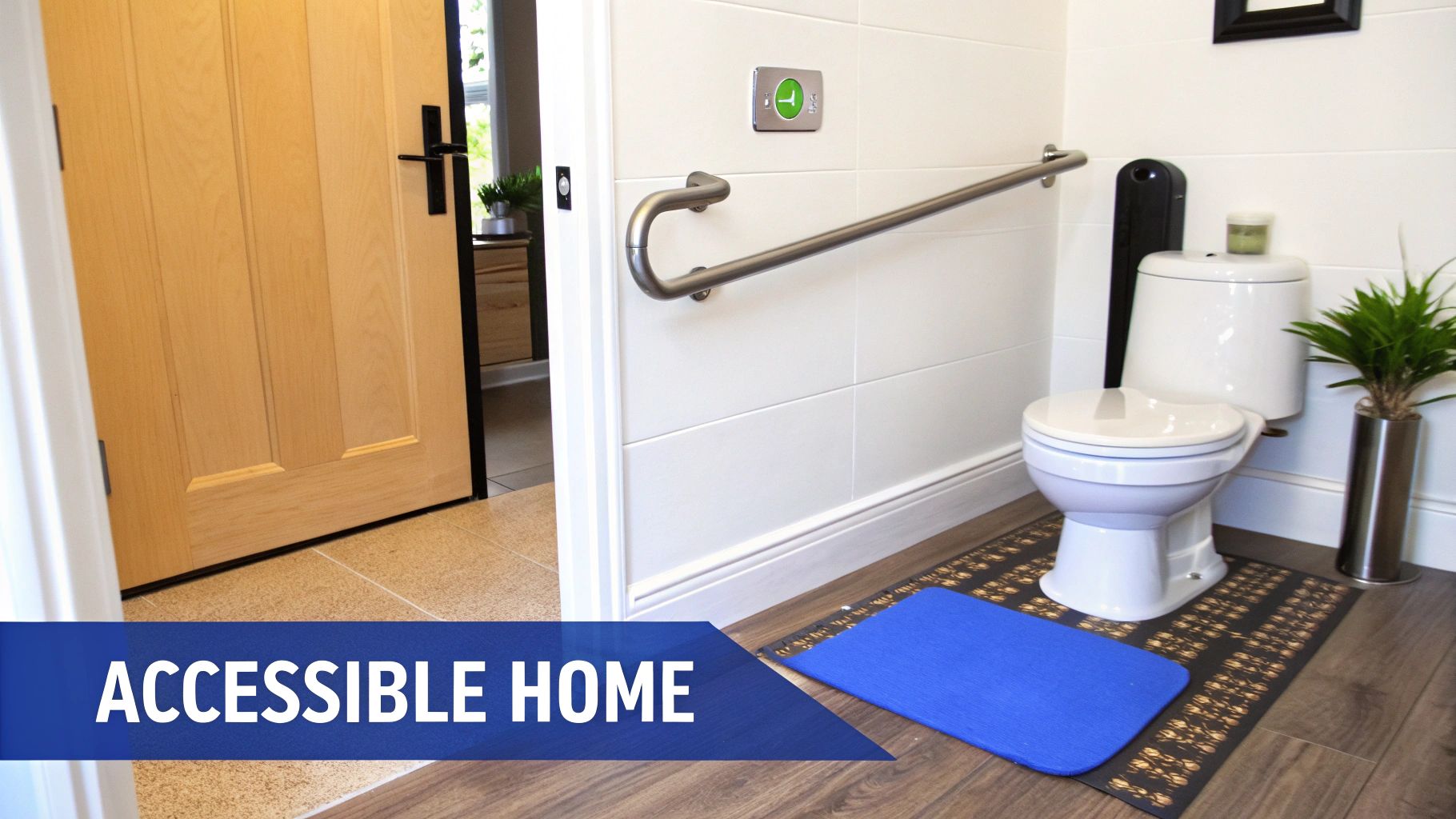
This approach can range from simple installations like grab bars and improved lighting to more significant structural changes like wheelchair ramps or walk-in showers. Beyond structural changes, incorporating technology can significantly aid independence; learn more about smart home devices for seniors to discover options like automated medication dispensers and emergency alert systems. These modifications empower seniors to perform daily activities with greater confidence and less strain.
Key Considerations and Action Steps
A thoughtful strategy is essential for making effective home modifications.
- Consult an Expert: Start with a home safety assessment from an occupational therapist. They can identify specific risks and recommend the most impactful modifications based on the individual's abilities.
- Prioritize High-Risk Areas: Focus initial efforts on the bathroom and stairways, as these are common locations for falls. Installing grab bars, non-slip flooring, and stairlifts can make an immediate difference.
- Explore Funding Options: In New Jersey, certain Medicaid waiver programs, like Managed Long Term Services and Supports (MLTSS), may cover "environmental modifications" deemed medically necessary.
- Choose Appropriate Technology: Select assistive devices that match the user's comfort level with technology. Simple tools like long-handled shoe horns or automatic jar openers are just as valuable as complex alert systems. Explore more options by reading about top senior safety devices.
Expert Insight: The best modifications blend seamlessly into the home's design. Work with contractors who specialize in "universal design" principles to ensure that safety improvements are both functional and aesthetically pleasing, preserving the feel of a home rather than a medical facility.
10 Alternatives to Nursing Homes: Comparison
| Service | 🔄 Implementation complexity | ⚡ Resource requirements | 📊 Expected outcomes | Ideal use cases | ⭐ Key advantages (quality) + 💡 tip |
|---|---|---|---|---|---|
| In-Home Care Services | Medium — requires home assessment and caregiver matching | Medium — ongoing caregiver hours, minimal equipment | Maintain independence, improved ADL support, reduced stress | Seniors who prefer aging in place with personalized assistance | ⭐⭐⭐⭐ Personalized one-on-one care; 💡 verify certifications & communication plan |
| Adult Day Care Centers | Low–Medium — enrollment and transportation logistics | Low — daytime staffing, activity resources, transport | Increased socialization, respite for caregivers, cognitive stimulation | Families needing daytime supervision/respite while keeping seniors at home overnight | ⭐⭐⭐ Cost-effective daytime support; 💡 visit multiple centers to compare programs |
| Assisted Living Facilities (ALF) | Medium — relocation and intake processes | High — monthly fees, meals, staffing included | Consistent personal care, community engagement, 24/7 staff access | Seniors needing regular ADL help but not skilled nursing | ⭐⭐⭐⭐ Community living with services included; 💡 tour at different times, check staffing ratios |
| Memory Care / Dementia Programs | High — secure environment and specialized staffing | High — trained staff, secure units, structured programming | Reduced wandering/agitation, tailored behavioral support, family education | Individuals with Alzheimer’s or advanced cognitive impairment | ⭐⭐⭐⭐–⭐⭐⭐⭐⭐ Specialized dementia expertise; 💡 obtain early diagnosis and plan progression |
| Continuing Care Retirement Communities (CCRCs) | High — complex contracts, moving onto campus | Very high — entrance fees + monthly charges, full services on-site | Seamless transitions across care levels, long-term stability | Seniors seeking lifelong community with escalating care needs | ⭐⭐⭐⭐ Continuum of care on one campus; 💡 review contract details and financial stability |
| Medicaid HCBS Waivers | High — eligibility, application, bureaucratic steps | Low–Medium for beneficiary — services Medicaid-funded, limited provider networks | Enables aging in place with Medicaid-covered services, reduces institutionalization | Low-income or asset-limited individuals who qualify for Medicaid waivers | ⭐⭐⭐⭐ Cost-effective for eligible clients; 💡 apply early, consider Medicaid planning help |
| Co-Housing & Shared Living | Medium — forming agreements, finding compatible residents | Low–Medium — shared costs, possible home modifications | Lower living costs, increased social support, shared caregiving | Seniors open to communal living and shared responsibilities | ⭐⭐⭐ Strong social engagement and cost-sharing; 💡 have written agreements and vet compatibility |
| Respite Care Services | Low — short-term arrangements, scheduling needed | Variable — hourly to extended stay costs, caregiver availability | Temporary caregiver relief, prevents burnout, maintains continuity of care | Primary caregivers needing temporary relief or emergency coverage | ⭐⭐⭐⭐ Critical for caregiver well-being; 💡 schedule regularly before burnout occurs |
| Geriatric Care Management / Aging in Place | Medium — initial comprehensive assessment and coordination | Medium — professional fees (often private-pay), ongoing coordination | Better care coordination, fewer hospitalizations, informed decision-making | Families managing complex medical/social needs who want aging in place | ⭐⭐⭐⭐ Professional advocacy and coordination; 💡 hire certified GCMs, verify references |
| Home Modification & Assistive Technology | Medium — professional assessments and installations | Medium — upfront renovation or device costs, possible subsidies | Reduced fall risk, greater independence, safer home environment | Seniors aiming to stay at home safely, high fall-risk households | ⭐⭐⭐⭐ High impact on safety and independence; 💡 start with high-risk areas, seek OT assessment |
Making the Right Choice: Your Next Steps in Senior Care Planning
Navigating the landscape of senior care can feel like an overwhelming journey, but this comprehensive exploration of alternatives to nursing homes should illuminate one crucial truth: you have options. The traditional path is no longer the only path. From the independence offered by in-home care to the vibrant social settings of CCRCs and the specialized support of memory care, the "right" choice is a deeply personal one, tailored to individual needs, financial circumstances, and the desire for a high quality of life.
The decision-making process is not about finding a single, perfect solution that will last forever. Instead, it is about identifying the best fit for today while planning for the possibilities of tomorrow. The options we've discussed, such as In-Home Care, Assisted Living, and Adult Day Care, are not mutually exclusive. A well-rounded care plan might involve a combination of these services, evolving as needs change.
Key Takeaways for Your Senior Care Journey
Reflecting on the ten alternatives presented, several core themes emerge that are vital for making an empowered and informed decision.
- Personalization is Paramount: There is no one-size-fits-all answer. The ideal environment for an active senior seeking community in a co-housing arrangement is vastly different from the needs of an individual requiring intensive memory care support. The first step is always a thorough and honest assessment of medical needs, social preferences, and daily assistance requirements.
- Proactive Planning Prevents Crisis: The best time to explore these options is before a medical emergency forces a hasty decision. Early research allows you to tour facilities, interview in-home care agencies, and understand the financial landscape, including crucial resources like New Jersey's Medicaid HCBS waivers. This foresight gives you control and reduces stress during an already difficult time.
- Financial Realities Must Be Addressed: Cost is a significant factor in senior care. Understanding the payment structures for each alternative, from the private pay model of many ALFs to the Medicaid-funded services available through providers like NJ Caregiving, is essential. Creating a realistic budget will help narrow your choices and focus your search on viable solutions.
Creating Your Action Plan: Three Steps to Move Forward
Knowledge is only powerful when put into action. Use the insights from this article to build a clear, manageable plan.
- Initiate the Conversation: Begin an open and compassionate dialogue with your loved one and other family members. Discuss fears, hopes, and non-negotiables. Use a checklist to document daily care needs (ADLs), medical management requirements (medication, appointments), and social or emotional priorities (hobbies, community engagement).
- Shortlist and Research: Based on your conversation, identify the top 2-3 most promising alternatives to nursing homes for your specific situation. Revisit the pros and cons outlined for each. Begin local research: search for facilities in your area, read reviews, and check for state licensing and inspection reports.
- Schedule Consultations: Make the calls. Schedule tours of assisted living communities or adult day centers. Crucially, for those considering aging in place, book a no-obligation in-home assessment with a reputable home care agency. This professional evaluation provides an expert, third-party perspective on safety, necessary home modifications, and the level of care required.
Ultimately, exploring alternatives to nursing homes is about honoring a loved one’s legacy and ensuring their later years are filled with dignity, comfort, and purpose. It’s about creating an environment that supports their well-being, respects their independence, and provides peace of mind for the entire family. Taking these deliberate, thoughtful steps will transform an overwhelming task into a structured, empowering process of compassionate care planning.
Ready to explore how professional, personalized in-home care can make aging in place a reality for your loved one in New Jersey? Contact NJ Caregiving for a free in-home assessment to discuss your family’s unique needs and learn how our compassionate caregivers can help. Visit us at NJ Caregiving to take the first step today.
