
When most people think about growing older, the idea of leaving their home can be the most daunting part. Aging in place is simply the choice to remain in your own home—the one filled with memories and connections to your community—rather than moving into an assisted living facility or nursing home.
It’s all about adapting your living space and your support system to fit your changing needs, making sure you can continue to live safely, independently, and comfortably for as long as possible.
Understanding the Heart of Aging in Place
At its core, aging in place is less about a technical process and more about preserving your quality of life, dignity, and personal history. Your home isn't just a building; it’s a vessel for memories, comfort, and your own identity. This philosophy stands in sharp contrast to the idea of uprooting your life to relocate somewhere unfamiliar.
Instead of a sudden move, aging in place is a journey of proactive, thoughtful planning. It puts you in the driver's seat, allowing you to decide how and where you want to live out your golden years. This is becoming more important than ever as the world's population ages. By 2030, it's projected that one in six people worldwide will be 60 years or older, a number expected to jump from 1.4 billion to 2.1 billion by 2050. You can learn more about these global demographic shifts and their impact on health from the World Health Organization.
More Than Just Staying Put
This isn’t about just staying put and hoping for the best. Aging in place is an active strategy that involves making conscious decisions to ensure your environment supports you now and in the future.
A few key elements often include:
- Home Modifications: Making practical, often simple, changes to your home. Think installing grab bars in the shower, improving lighting in hallways, or adding a ramp to the front door to prevent accidents and make life easier.
- Building a Support Network: No one does it alone. This means leaning on a circle of family, friends, and professional caregivers who can help with daily tasks, provide companionship, and offer peace of mind.
- Prioritizing Health and Wellness: It’s about actively managing your health, staying physically active, and maintaining social connections to combat loneliness and isolation.
To help break it down, here’s a quick look at the core principles behind aging in place and what they actually look like in day-to-day life.
Aging in Place at a Glance Key Concepts
| Core Principle | What It Means in Practice |
|---|---|
| Independence & Autonomy | Making your own choices about your daily routine, meals, and social activities. You're in charge. |
| Familiarity & Comfort | Remaining in the home you know and love, surrounded by your belongings and memories. |
| Safety & Accessibility | Modifying your home to reduce risks (like falls) and make it easier to navigate as your mobility changes. |
| Community Connection | Staying connected to neighbors, friends, local shops, and doctors you've known for years. |
| Personalized Support | Bringing in help—whether from family or a professional caregiver—that is tailored specifically to your needs. |
This table shows that aging in place isn't just one thing; it's a holistic approach to living well.
The ultimate goal is to create a sustainable living situation that honors your desire for independence while realistically addressing any challenges that may arise. It’s about thriving in a familiar setting, not just surviving.
Why Staying Home Matters So Much

The drive to age in place isn't just about convenience. It’s a deeply human need rooted in the powerful emotional comfort of familiar surroundings. A home is so much more than a building—it's a living archive of our personal history, a place filled with comfort and tied to our very identity. Every room holds a memory, and the neighborhood itself represents a lifetime of connections.
It's this profound attachment that explains why a staggering 77% of adults over 50 want to stay right where they are as they get older. This isn't a small trend. With the number of adults over 65 expected to jump from 40.3 million in 2010 to nearly 80 million by 2030, understanding this preference is more critical than ever.
Holding onto these deep-seated connections to one's home and community is absolutely essential for maintaining a strong sense of self and independence.
The Emotional and Social Advantages
Staying put allows seniors to keep their autonomy and stick to the daily routines that are so important for mental well-being. Think about it: they can continue shopping at the same grocery store, walking the same streets, and chatting with neighbors they’ve known for decades. This consistency offers a powerful sense of security that’s nearly impossible to find somewhere new.
"Aging in place allows seniors to hold on to something deeply personal: their sense of dignity and independence. Older Alaskans want to remain in their homes for as long as possible – not just because it’s familiar, but because it’s part of who they are."
This stability is a direct defense against the feelings of isolation and displacement that so many older adults face. By staying within a familiar social network, seniors are far more likely to remain active and engaged, which leads directly to greater life satisfaction. You can dive deeper into the specific emotional and psychological benefits of aging in place in our detailed article.
Financial and Health Benefits of Staying Home
Beyond the emotional comfort, aging in place often just makes good financial sense. While nursing homes and assisted living facilities come with hefty, fixed monthly bills, planning for in-home support offers a much more flexible—and often more affordable—path. Families can tailor services to fit specific needs, paying only for the help that’s actually required.
This financial control reduces a huge amount of stress for everyone involved. The health benefits are just as compelling. Study after study shows that older adults who live at home tend to enjoy better health outcomes overall.
The key health advantages often include:
- Reduced Stress: The comfort of being in a familiar space naturally lowers stress, which has a positive ripple effect on everything from heart health to cognitive function.
- Lower Risk of Infection: Living at home means less exposure to the communal germs and infections that can spread so quickly in large residential facilities.
- Increased Physical Activity: Seniors at home are often more inclined to stay active, whether it’s through gardening, taking a walk around the block, or simply managing daily household tasks.
Ultimately, choosing to age in place is a proactive decision that supports a complete vision of wellness. It combines emotional stability, financial common sense, and better physical health into one empowering strategy for the future.
Common Challenges You Can Prepare For
Deciding to age in place is a powerful choice, but turning that decision into a successful long-term plan means taking an honest look at the hurdles you might face down the road. This isn’t about getting discouraged—it's about gaining the foresight to be proactive.
Thinking ahead transforms potential anxieties into a clear, actionable roadmap. By understanding what might be coming, you can put strategies in place long before a small issue becomes a real problem.
Most of the challenges that come with aging in place fall into three buckets. Each requires a different kind of planning, but with the right support, they are all completely manageable. Let's break them down.
Ensuring Home Safety and Accessibility
The most immediate concern is often the home itself. A house that felt perfectly safe just a few years ago can start to present new risks as our mobility, balance, and vision change. Stairs that were once easy to climb become a challenge, a slippery bathroom floor becomes a hazard, and poor lighting can quickly lead to a fall.
One of the biggest regrets we hear is from people who waited too long to make simple home modifications. It’s often a fall or a similar scare that finally prompts them to install grab bars or a step-free shower—changes that could have prevented the incident in the first place.
Fall prevention is priority number one. A serious fall can be a major setback to independence. The goal here is to adapt your living space so it works for you, not against you, as your needs evolve.
Managing Health Needs and Daily Activities
Another reality to plan for is managing day-to-day health. This can be anything from keeping track of multiple medications on a strict schedule to arranging rides for regular doctor's appointments. As health conditions pop up or change, even simple daily activities like cooking a healthy meal, bathing, or getting dressed can become physically draining.
Without a solid support system, these tasks can quickly become overwhelming for one person to handle alone. This is where having help lined up becomes so important. Consistent support ensures personal care and medical needs are met, preventing minor health issues from escalating and protecting your overall well-being.
Overcoming Social Isolation
Finally, we have to talk about the risk of loneliness. It's a real and serious challenge. As we get older, it can become harder to get out and about, and friends or neighbors may move away. It's easy to start feeling disconnected from the community. This isn't just about feeling sad; social isolation can take a real toll on both mental and physical health.
Staying socially connected is a cornerstone of aging in place successfully. Actively planning for regular social time—whether it's through companionship, joining community groups, or scheduled visits—is the best way to combat loneliness. A strong social network provides vital emotional support and makes life at home feel happy, vibrant, and full.
Making Your Home Safer and More Comfortable
Turning your house into a long-term home isn't about a massive, overnight renovation. It's about making smart, strategic adjustments over time that allow you to live safely and independently. The goal is simple: adapt your environment to support your needs.
This process is a journey, not a destination. It starts with small, practical changes that can have a huge impact on your daily life and give your family incredible peace of mind. The idea is to make your home work for you, not against you.
The image below breaks down a simple, three-step approach to thinking about home preparation.

As you can see, it’s a continuous cycle. You assess your needs, make the right changes, and keep an eye on safety as time goes on.
Starting With Low-Cost, High-Impact Fixes
You don't need a huge budget to make a real difference. In fact, many of the most effective modifications are simple, inexpensive, and can be done in a single weekend. The key is to start by tackling the most common household hazards.
Think about the places where you need good balance and clear visibility. Falls are a major concern for seniors, and over 60% of them happen right inside the home. A few small tweaks can drastically lower that risk and boost your confidence moving through your own space.
Here are some easy wins to get you started:
- Brighten Up Your Lighting: Swap dim bulbs for bright, energy-efficient LEDs. Add a few motion-activated night lights in hallways, bedrooms, and bathrooms so you always have a clear path at night.
- Secure All Rugs and Runners: A curled-up rug edge is a classic tripping hazard. Use double-sided tape or a non-slip backing to anchor all area rugs firmly to the floor. Even better, consider removing throw rugs altogether in high-traffic areas.
- Improve Your Grip: If you have arthritis or limited hand strength, round doorknobs can be a real struggle. Replace them with lever-style handles. Do the same for your faucets in the kitchen and bathroom—it makes a world of difference.
Focusing on Critical Areas: The Bathroom and Kitchen
Some rooms just come with more built-in risks. The bathroom, with its mix of water and hard, slippery surfaces, is at the top of the list. The kitchen also needs a thoughtful look to make sure it stays safe and functional for daily meal prep.
Being proactive here is everything. In the bathroom, installing grab bars in the shower and next to the toilet is non-negotiable. It’s one of the single best things you can do for safety. Adding a sturdy shower chair and a handheld showerhead can make bathing more comfortable and much less of a balancing act.
In the kitchen, think about convenience. Rearranging cabinets to put your most-used pots, pans, and dishes within easy reach means you won’t have to risk climbing on a step stool. Simple, but effective.
Planning for Larger Renovations
While the small fixes are crucial, sometimes bigger changes are needed to truly support long-term independence. These projects require a bit more planning and professional help, but they are life-changing investments in your ability to stay home.
To get you thinking, here are a few of the most impactful renovations:
- Creating a No-Step Entry: Getting in and out of the house shouldn't be a challenge. Installing a ramp or creating a zero-threshold entrance completely eliminates the problem of stairs.
- Walk-In Showers: Swapping a traditional tub for a curbless, walk-in shower is one of the best ways to prevent serious bathroom falls.
- Widening Doorways: If a walker or wheelchair is part of the picture—or might be someday—widening key doorways to at least 32-36 inches ensures you can move freely from room to room.
Home Modification Checklist by Priority
To help you organize your thoughts, we've created a simple checklist that breaks down modifications by priority. This isn't about doing everything at once, but about tackling the most important safety items first and planning for the future.
| Modification Area | High Priority (Essential Safety) | Medium Priority (Enhanced Comfort) | Long-Term (Major Renovations) |
|---|---|---|---|
| Entrances & Hallways | Improve lighting; remove trip hazards | Add bench near entry; install lever door handles | Widen doorways; install no-step entry/ramp |
| Bathroom | Install grab bars; add non-slip mats | Get a raised toilet seat; install a handheld showerhead | Convert to a walk-in shower |
| Kitchen | Add under-cabinet lighting; secure rugs | Organize cabinets for easy access; use lever-style faucets | Lower countertops; install pull-out shelves |
| Bedroom | Place a phone near the bed; clear pathways | Install bedside lamp with easy-to-use switch | Move bedroom to the main floor |
| General Safety | Install smoke/CO detectors; check batteries | Add stairlifts if needed; upgrade lighting throughout | Full home automation for lights/thermostat |
This checklist is a starting point. Every home is different, but focusing on these key areas will put you on the right path to creating a safe, comfortable, and supportive environment for the years ahead.
For a complete room-by-room breakdown, check out our detailed guide on essential aging in place home modifications. It’s packed with checklists and practical tips to help you get started.
Building Your Circle of Support
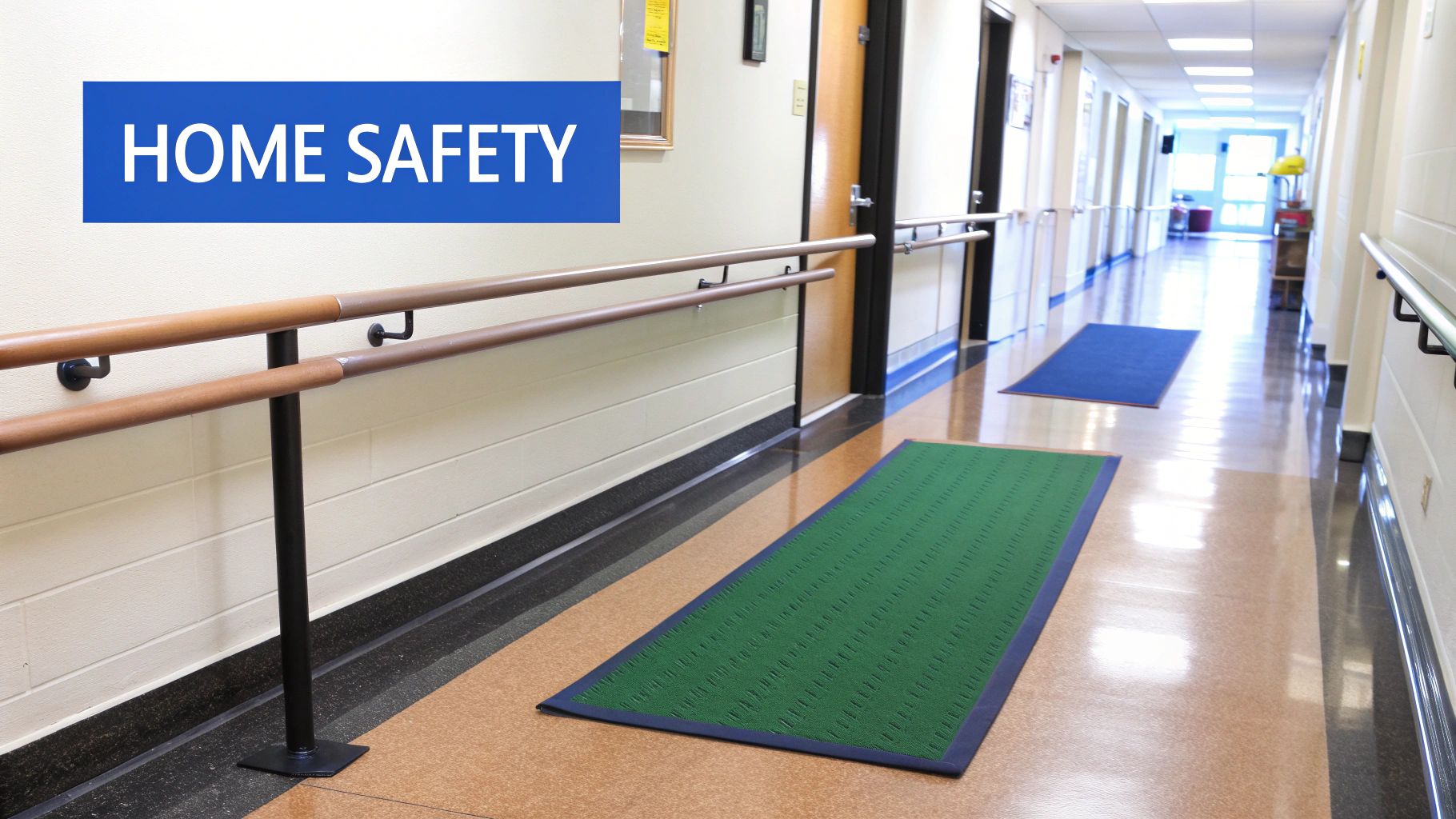
Successfully aging in place isn't something anyone does alone. While a safe, accessible home is the foundation, a strong support network is the framework that holds everything together. This circle of support ensures you have help when you need it, companionship to brighten your days, and peace of mind for both you and your loved ones.
Think of this network as having two essential pillars working in perfect harmony. On one side, you have your informal, personal support system. On the other, you have formal, professional help. Weaving them together creates a comprehensive safety net that truly supports independence and well-being.
Informal Support: Your Personal Network
The first pillar is built on the trusted relationships you’ve nurtured your whole life. This is your personal team—family, friends, and neighbors who can offer a hand with everyday tasks, provide a shoulder to lean on, and simply be there for a friendly chat.
Your informal support circle might help with things like:
- Practical Assistance: A neighbor might grab groceries for you on a snowy day, or your son could drive you to a doctor’s appointment.
- Emotional Connection: Regular phone calls from a close friend or weekly visits from grandchildren can make all the difference in fending off loneliness.
- Emergency Backup: Having a trusted person nearby with a spare key can be a lifesaver in an unexpected situation.
This network is built on a lifetime of connection and mutual care, forming the emotional heart of your aging-in-place plan.
Formal Support: The Professional Team
The second pillar is made up of professionals and community organizations that provide structured, reliable care. This includes your doctors, in-home caregivers like those at NJ Caregiving, and local senior centers. These services are specifically designed to fill in the gaps where your personal network may not have the time or training.
A professional caregiver does more than just assist with daily tasks; they become a consistent, knowledgeable partner in your health journey, ensuring your needs are met with expertise and compassion.
This kind of support is becoming more important than ever. By 2050, the global share of people aged 65 or older is projected to grow from 10% to 16%. This major demographic shift is prompting countries to develop better ways to support aging populations. You can discover more insights about these national plans for healthy aging on AARPInternational.org.
Bridging the Gap with Technology
Modern technology acts as the bridge connecting you to both your formal and informal support circles. It’s a powerful tool for boosting safety and maintaining those vital social connections, making independent living more achievable than ever before.
Simple yet incredibly effective tech solutions include:
- Medical Alert Systems: Wearable devices that can summon help with the push of a button, providing 24/7 reassurance.
- Video Calling Apps: Tools like FaceTime or Zoom make it easy to see and speak with loved ones, no matter how far away they are.
- Automated Medication Dispensers: These smart devices help manage complex medication schedules, reducing the risk of missed or incorrect doses.
By combining the warmth of personal relationships, the reliability of professional services, and the convenience of technology, you can build a robust ecosystem of support. This network is the key to not just aging in place, but truly thriving there.
How Professional Care Supports Your Plan
Making the decision to age in place is a proactive journey, not a passive one. It’s about more than just grabbing a few railings from the hardware store; it requires a reliable support system to bridge the gaps in daily living, turning your goal of independence into a safe, sustainable reality.
This is where professional in-home care becomes the crucial link in your plan. It’s the element that brings all your preparations together, providing skilled, compassionate assistance right when you need it. Think of a professional caregiver as a dedicated partner who helps manage the challenges we discussed earlier, making sure you can live life on your own terms.
Tailoring Support to Your Needs
Professional care isn't a one-size-fits-all solution. It’s designed to adapt to your specific situation, offering a spectrum of services that can grow and change right along with you.
These services are built to tackle common hurdles head-on:
- Personal Care: Assistance with daily activities like bathing, getting dressed, and moving around the house. This support ensures safety while always preserving dignity.
- Companion Care: Providing social interaction, help with errands, and light housekeeping to combat loneliness and keep life engaging and enjoyable.
- Skilled Nursing: Professional medical oversight for things like medication management, wound care, and monitoring chronic conditions.
By integrating professional support, you’re not giving up independence—you’re reinforcing it. A caregiver ensures you can continue living on your own terms, but with a safety net of expert help just a call away.
Understanding the difference between services is key to getting the right help. To clarify your options, explore our guide explaining the details of home health versus home care. This knowledge empowers you to build the perfect support plan for your unique needs.
Common Questions About Aging in Place
It’s natural to have questions when you start thinking about the future. To help you feel more confident as you explore your options, we’ve put together some straightforward answers to the questions we hear most often from families.
How Much Does It Really Cost?
The financial side of things is usually the first question on everyone's mind, but the cost of aging in place can be much more manageable than you might think.
While every situation is different, many families find that a combination of one-time home updates and part-time in-home care is far more affordable than the steep, non-negotiable monthly fees of an assisted living community. With aging in place, you only pay for the exact support you need, which gives you much more control over your budget. This flexibility can be a huge relief.
When Is the Best Time to Start Planning?
Honestly, the best time to start planning is right now—long before you think you’ll need any help. For most people, that’s somewhere in their 50s or 60s. Getting the conversation started early takes the pressure off.
Proactive planning is key. It gives you the time to make thoughtful home modifications, sort out finances, and build a support system without the stress of a sudden health crisis forcing your hand.
When you start early, your home is ready when you need it to be, and you know exactly who to call for help when the time comes.
What Is the Difference Between Care Types?
Understanding the kind of support available is crucial for making the right choice. In-home care generally falls into two categories: companion care and personal care. They each serve a very different purpose.
- Companion Care: This is all about social and emotional well-being. A companion can help with light housekeeping, preparing meals, running errands, or simply providing friendship to keep loneliness at bay.
- Personal Care: This involves more hands-on help with what we call Activities of Daily Living (ADLs). This could be assistance with bathing, dressing, grooming, or getting around safely.
Many seniors start with companion care and gradually add personal care services as their needs change. It’s a completely customized approach that adapts to you over time.
Planning for the future can feel like a lot to handle, but you don’t have to figure it all out on your own. The team at NJ Caregiving is here to help you create a safe, comfortable, and independent life right where you belong. Contact us today to learn how our personalized care services can support your aging in place journey.
