

The term 'Activities of Daily Living,' often abbreviated as ADLs, is a cornerstone concept in healthcare, especially within senior care, rehabilitation, and disability support. It represents the essential self-care tasks that individuals must perform daily to live safely and independently. While many are familiar with the six basic ADLs, a more holistic and comprehensive view expands this list to twelve distinct activities. Understanding this expanded framework is vital for families, caregivers, and healthcare professionals to accurately assess an individual's functional abilities and determine the appropriate level of support needed.
This guide is designed to answer the question, what are the 12 activities of daily living?, by providing a definitive and in-depth exploration of each one. We will move beyond simple definitions to offer practical insights, including how to recognize signs that assistance may be required and actionable tips for managing these essential tasks. A clear grasp of these activities helps shape effective care plans that truly support an individual's autonomy and quality of life. While our focus is on the core 12 Activities of Daily Living, it's also important to understand the broader context by exploring the distinction between ADLs and IADLs, which covers more complex tasks like managing finances or transportation.
We'll break down everything from personal hygiene and mobility to medication management and cognitive support. This comprehensive listicle will clarify how these assessments are used to create personalized care strategies and illustrate how professional support, such as the services provided by NJ Caregiving, can empower individuals to thrive in their own homes.
1. Personal Hygiene and Bathing
Personal hygiene and bathing are fundamental to health, well-being, and dignity. This category covers essential self-care tasks like showering, bathing, oral care, and general grooming. Maintaining personal cleanliness is one of the most critical of what are the 12 activities of daily living, as it directly prevents infections, manages skin conditions, and boosts self-esteem.
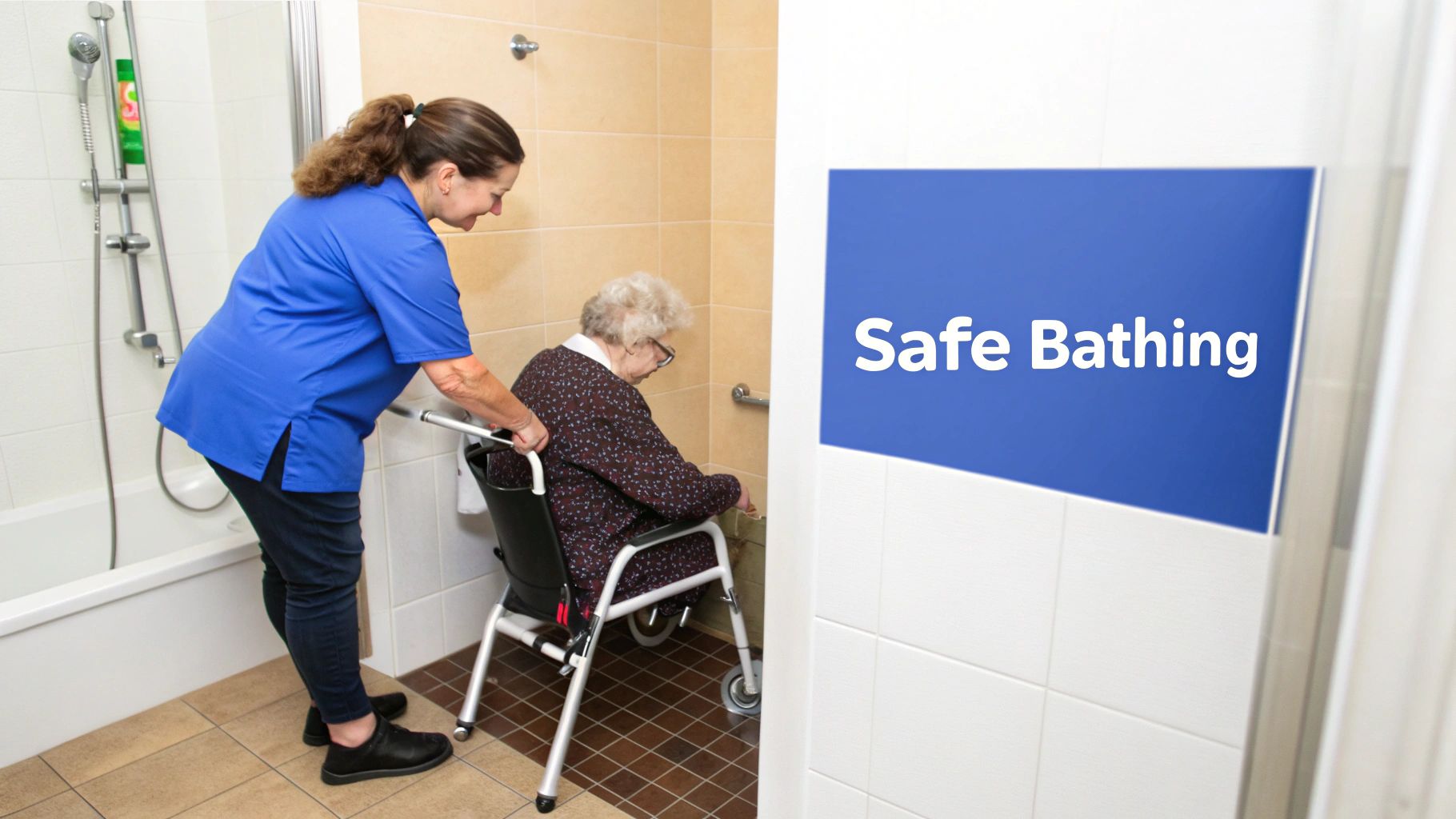
However, the bathroom often presents significant safety hazards for seniors or individuals with mobility challenges. The combination of hard surfaces and water creates a high risk for falls. Difficulties with balance, strength, or cognitive function can make bathing a daunting and dangerous task, often signaling the need for assistance.
Signs Assistance May Be Needed
An individual may need help with personal hygiene if you notice:
- Body odor or unkempt appearance.
- Infrequent showering or bathing.
- Fear or anxiety related to falling in the shower.
- Difficulty getting in or out of the tub or shower.
- Struggles with tasks like washing hair or reaching their back.
Tips for Safe and Dignified Bathing
To create a safer bathing environment, consider these practical modifications and approaches:
- Install Safety Equipment: Equip the bathroom with grab bars, non-slip mats, and a shower chair or transfer bench.
- Maintain Water Temperature: Keep the water heater set to a safe level, ideally between 95-100°F, to prevent accidental burns.
- Respect Privacy: Always communicate clearly, explain each step, and use towels to cover the person as much as possible to maintain their dignity.
- Establish a Routine: For individuals with dementia, a consistent routine with calming music can reduce agitation and make bathing a more pleasant experience.
Professional caregivers are trained to provide compassionate and safe assistance, ensuring these essential daily tasks are completed with respect. To discover more about how specialized support can make a difference, learn more about bathing assistance for seniors on njcaregiving.com.
2. Dressing and Clothing Management
Dressing is a fundamental activity that affects comfort, personal expression, and dignity. This task involves selecting appropriate clothing, retrieving it, and physically putting it on and taking it off. It encompasses managing buttons, zippers, and shoes, which are essential components of what are the 12 activities of daily living. For individuals with conditions like arthritis, dementia, or limited mobility, these seemingly simple steps can become complex and frustrating.
The ability to dress independently is often taken for granted until physical or cognitive challenges arise. Difficulties in this area can lead to wearing soiled or weather-inappropriate clothing, which can impact health and social interaction. Recognizing the need for help is a key step toward ensuring safety and maintaining a sense of self-respect.
Signs Assistance May Be Needed
An individual might require help with dressing if you observe:
- Wearing the same clothes for multiple days.
- Choosing clothing that is inappropriate for the season or occasion.
- Difficulty with fasteners like buttons, zippers, or shoelaces.
- Struggles with balance while putting on pants or shoes.
- Visible frustration or fatigue during the dressing process.
Tips for Simplified and Dignified Dressing
To make dressing easier and more respectful, consider these adaptive strategies:
- Utilize Adaptive Clothing: Opt for garments with Velcro, magnets, or simple pull-on designs to eliminate struggles with traditional fasteners.
- Limit Choices: To reduce decision fatigue, especially for those with cognitive decline, present only two or three appropriate outfits to choose from.
- Organize the Closet: Arrange clothing by type and season. Laying out an outfit the night before can streamline the morning routine.
- Use Assistive Devices: Long-handled shoehorns, sock aids, and dressing sticks can empower individuals to maintain independence with lower-body dressing.
Professional caregivers can provide the right level of support, from laying out clothes to offering hands-on assistance, always prioritizing the individual's comfort and dignity. For more information on personalized support, explore how in-home care services from njcaregiving.com can help.
3. Toileting and Continence Management
Toileting and continence management involve the ability to recognize the need for elimination, get to and use the toilet, manage clothing, and clean oneself afterward. This is a profoundly personal and crucial aspect of what are the 12 activities of daily living, directly impacting an individual’s dignity, social confidence, and overall health. Managing continence is essential for preventing skin irritation, infections, and maintaining a sense of normalcy.
Challenges with mobility, strength, or cognitive awareness can make using the toilet difficult and unsafe, increasing the risk of falls and accidents. The sensitive nature of this ADL means that needing help can be emotionally difficult, often making it a primary reason families seek compassionate, professional in-home care services to support their loved ones.
Signs Assistance May Be Needed
An individual may need support with toileting if you observe:
- Frequent urinary or fecal accidents.
- Difficulty getting on or off the toilet safely.
- Poor personal hygiene after using the toilet.
- Unpleasant odors in the home or on clothing.
- Withdrawal from social activities due to fear of accidents.
Tips for Safe and Dignified Toileting
To support independence and maintain hygiene, consider these strategies:
- Install Safety Equipment: Equip the bathroom with grab bars around the toilet and consider a raised toilet seat with armrests to make sitting and standing easier.
- Ensure Clear Pathways: Keep the path to the bathroom free of obstacles and well-lit, especially at night. A bedside commode can also be a safe alternative.
- Establish a Toileting Schedule: For individuals with cognitive decline or incontinence, a consistent schedule (e.g., every 2-3 hours) can help prevent accidents.
- Promote Proper Skin Care: After any instance of incontinence, ensure the skin is cleaned gently and thoroughly and a barrier cream is applied to prevent breakdown.
- Choose Appropriate Products: Use high-quality absorbent briefs or pads that are comfortable and discreet, helping to preserve dignity while managing incontinence.
4. Meal Preparation and Nutrition
Proper meal preparation and nutrition are vital for maintaining energy, managing chronic conditions, and supporting overall physical and cognitive health. This activity includes the entire process from planning and shopping to cooking and serving balanced meals. For many seniors or individuals with disabilities, understanding what are the 12 activities of daily living often highlights challenges in the kitchen, where mobility limitations, cognitive decline, or difficulty using appliances can become significant barriers to adequate nutrition.

Without consistent, nutritious meals, individuals are at a higher risk for weight loss, weakened immunity, and a general decline in health. This ADL is not just about eating; it's about the ability to safely and effectively nourish oneself, which is a cornerstone of independent living.
Signs Assistance May Be Needed
An individual might require help with meal preparation if you notice:
- Unexplained weight loss or signs of malnutrition.
- Spoiled or expired food in the refrigerator or pantry.
- A lack of interest in cooking or eating.
- Difficulty using kitchen appliances like the stove or microwave.
- Repeatedly eating the same, easy-to-prepare foods that lack nutritional value.
Tips for Safe and Healthy Nutrition
To support safe and effective meal preparation, consider the following strategies:
- Plan and Prep Ahead: Create a weekly menu to simplify grocery shopping and prepare ingredients or full meals in advance.
- Use Safe Appliances: Slow cookers or electric pressure cookers can reduce the risks associated with open flames or hot stovetops.
- Adapt to Needs: Modify food textures by chopping, mincing, or pureeing for those with chewing or swallowing difficulties.
- Ensure Hydration: Keep water easily accessible and offer fluids throughout the day to prevent dehydration.
Professional caregivers can manage all aspects of meal preparation, from grocery shopping to cooking, ensuring meals are both delicious and aligned with specific dietary needs. For more ideas and support, you can explore professional strategies for meal prep for seniors on njcaregiving.com.
5. Eating and Swallowing
The ability to eat and swallow safely is essential for survival and a fundamental aspect of daily life. This ADL focuses on the physical act of consuming food, including using utensils to bring food to the mouth, chewing, and swallowing without complications. It is a critical component of what are the 12 activities of daily living, as difficulties in this area can lead to malnutrition, dehydration, and serious health risks like aspiration pneumonia.
This task is distinct from meal preparation, which is an IADL. Conditions like stroke, dementia, or Parkinson's disease can severely impair coordination and muscle control, making eating and swallowing (dysphagia) a significant challenge. Assistance is often required to ensure proper nutrition is received safely, preserving health and quality of life.
Signs Assistance May Be Needed
An individual may need support with eating and swallowing if you observe:
- Coughing, choking, or gagging during or after meals.
- A wet or gurgly-sounding voice after eating or drinking.
- Difficulty chewing food or moving it around in the mouth.
- Unexplained weight loss or signs of dehydration.
- Taking an unusually long time to finish a meal.
Tips for Safe and Dignified Eating
To promote safe consumption and a positive mealtime experience, consider these strategies:
- Modify Food and Liquid Consistency: Follow recommendations from a speech-language pathologist to provide appropriate textures, such as pureed foods or thickened liquids, to reduce choking risks.
- Ensure Proper Positioning: Have the person sit fully upright in a chair, at a 90-degree angle, during and for at least 30 minutes after meals.
- Use Adaptive Equipment: Provide weighted utensils for tremors, high-sided plates to prevent spills, and two-handled cups for better grip.
- Create a Calm Environment: Minimize distractions like television or loud conversations to help the individual focus on the task of eating and swallowing.
Professional caregivers are trained to manage dysphagia and provide feeding assistance that is both safe and respectful, ensuring nutritional needs are met with dignity.
6. Mobility and Transferring
Mobility and transferring refer to the ability to move and change positions, such as walking, getting in and out of a bed or chair, and navigating one's home. This core activity is fundamental to independence, as it enables participation in nearly all other daily tasks. Understanding mobility is a crucial part of knowing what are the 12 activities of daily living because challenges in this area often signal a high risk for falls and a need for greater support.
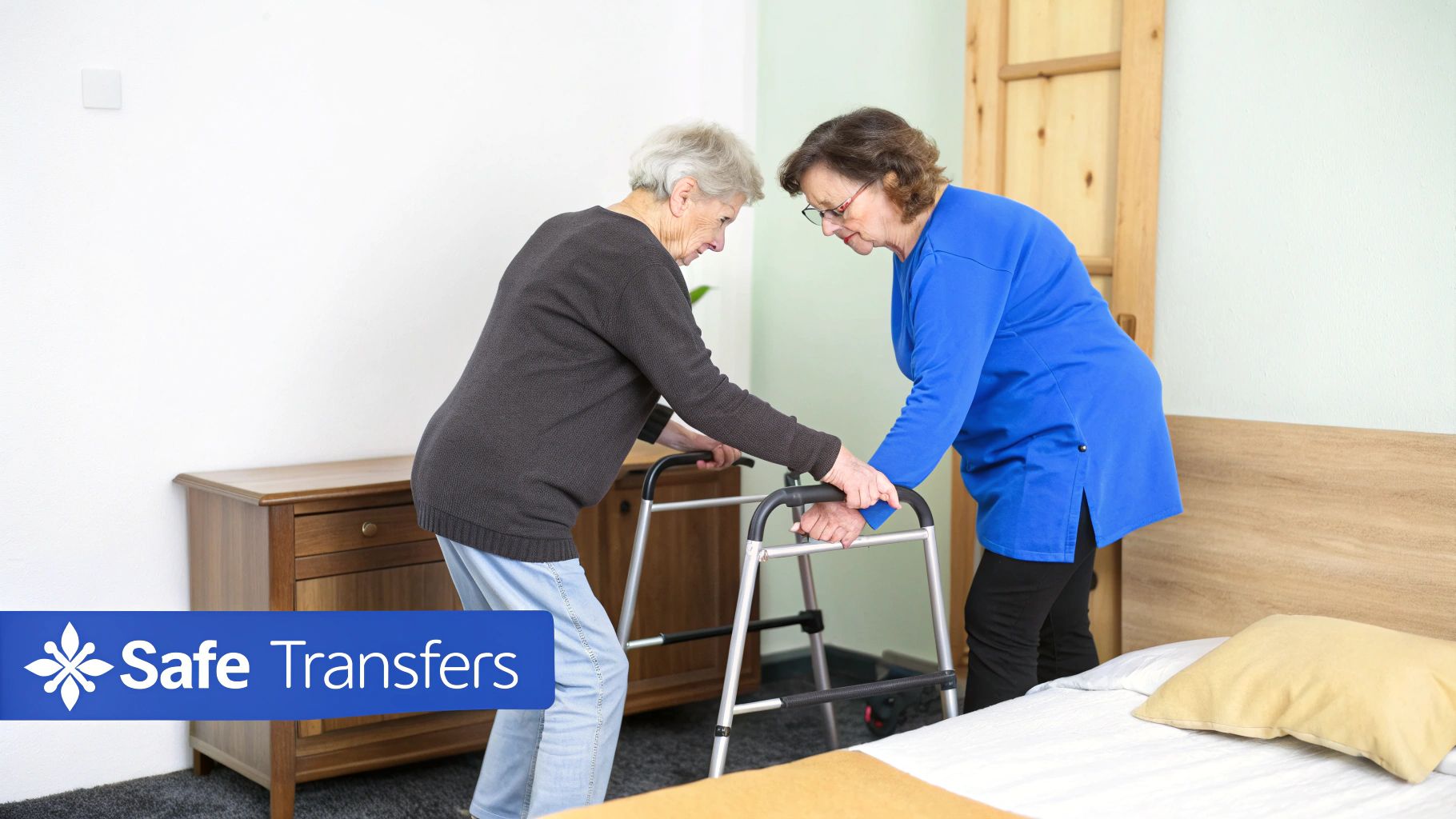
For individuals with conditions like arthritis, post-stroke weakness, or general frailty, moving safely can become a significant challenge. The fear of falling can lead to reduced activity, which in turn causes muscle weakness and deconditioning, creating a cycle of declining independence. Safe transferring techniques and a supportive environment are essential to break this cycle.
Signs Assistance May Be Needed
An individual may need help with mobility and transferring if you observe:
- Unsteadiness, shuffling, or difficulty maintaining balance while walking.
- Holding onto furniture or walls for support when moving around.
- Struggling to stand up from a seated position or get out of bed.
- A history of recent falls or a strong fear of falling.
- Inability to navigate stairs or uneven surfaces safely.
Tips for Safe and Dignified Mobility
To enhance safety and support independence, focus on creating a secure environment and using proper techniques:
- Remove Hazards: Clear pathways by removing clutter, loose rugs, and electrical cords to prevent trips.
- Install Supports: Add grab bars in hallways and bathrooms and railings on both sides of stairways.
- Ensure Proper Lighting: Use bright, non-glare lighting and nightlights to illuminate paths to the bathroom.
- Use Assistive Devices: Ensure walkers, canes, or wheelchairs are properly fitted and that the individual is trained to use them correctly. A gait belt can provide extra stability during transfers.
Professional caregivers are trained in safe transfer methods to prevent injury to both themselves and the person they are assisting. To see how these skills are applied, explore these effective wheelchair transfer techniques on njcaregiving.com.
7. Medication Management
Medication management involves the ability to correctly obtain, organize, and administer prescribed and over-the-counter medications. For seniors dealing with multiple prescriptions (polypharmacy), this task is not only complex but absolutely critical to their health and safety. Understanding what are the 12 activities of daily living highlights how this particular activity prevents dangerous drug interactions, ensures therapeutic effectiveness, and maintains overall stability.

Challenges with vision, memory, or dexterity can turn medication management into a high-risk activity. Simple mistakes like taking the wrong dose, missing a dose, or taking medications at the wrong time can lead to serious health complications, unnecessary hospitalizations, or a decline in condition. Recognizing difficulties in this area is a key indicator that support is needed to ensure safety.
Signs Assistance May Be Needed
An individual may need help with medication management if you notice:
- Unopened or expired medication bottles.
- Pills being dropped or spilled frequently.
- Confusion about which medications to take and when.
- Multiple prescriptions from different doctors without a central list.
- Complaints of new or worsening side effects.
Tips for Safe and Dignified Medication Management
To create a safer and more organized medication routine, consider these strategies:
- Use Pill Organizers: Weekly or monthly pill organizers simplify the process by pre-sorting doses. Many pharmacies also offer pre-packaged blister packs.
- Maintain a Comprehensive List: Keep an updated list of all medications, including dosages, frequencies, and the purpose of each. Include over-the-counter drugs and supplements.
- Set Reminders: Use phone alarms, automated dispensers, or simple sticky notes to create a consistent schedule for taking medications.
- Request an Annual Review: Ask a primary care physician or pharmacist to conduct an annual medication review to identify potential interactions and eliminate unnecessary drugs.
Professional caregivers can provide essential medication reminders and help monitor for adverse effects, ensuring that medication plans are followed safely and effectively. This support provides peace of mind for families and promotes better health outcomes.
8. Continence and Bladder/Bowel Management
Continence management involves the ability to control bladder and bowel functions, a crucial aspect of personal health and dignity. This activity extends beyond simple toileting to encompass the entire physiological process, including managing incontinence, using assistive devices, and addressing conditions like retention or constipation. As a key component of what are the 12 activities of daily living, maintaining continence is vital for preventing skin breakdown, infections, and social isolation.
Difficulties with bladder or bowel control are common among older adults and individuals with certain medical conditions. These challenges can be physically uncomfortable and emotionally distressing, often leading to a reluctance to participate in social activities. Managing these issues effectively is essential for preserving quality of life and overall well-being.
Signs Assistance May Be Needed
An individual may require support with continence if you observe:
- Frequent, unplanned accidents or soiled clothing/bedding.
- Strong or persistent odors of urine or feces.
- Withdrawal from social events due to fear of accidents.
- Skin irritation, rashes, or sores in the perineal area.
- Difficulty or pain during urination or bowel movements.
Tips for Effective Continence Management
To support bladder and bowel health safely and respectfully, consider these strategies:
- Establish a Toileting Schedule: Encourage bathroom visits every 2-3 hours to create a predictable routine and reduce the likelihood of accidents.
- Promote Adequate Hydration and Fiber: Ensure a daily fluid intake of 1500-2000 mL (unless restricted by a doctor) and a high-fiber diet to prevent constipation and support regular bowel function.
- Use Appropriate Products: Select the right absorbent products that wick moisture away from the skin and apply moisture-barrier creams to prevent breakdown.
- Monitor for Infection: Be vigilant for signs of a urinary tract infection (UTI), such as confusion, fever, or changes in behavior, especially in older adults.
Professional caregivers are trained to implement these strategies with sensitivity, helping individuals manage their needs while upholding their dignity.
9. Grooming and Personal Appearance
Grooming and personal appearance involve tasks beyond basic bathing that are essential for self-esteem and social identity. This category includes hair care, nail trimming, shaving, and skincare, all of which contribute to an individual’s sense of dignity. Maintaining one's appearance is a key part of what are the 12 activities of daily living because it directly impacts psychological well-being and willingness to engage socially.
For individuals with arthritis, poor vision, or cognitive decline, tasks like buttoning a shirt, shaving safely, or applying makeup can become frustrating and difficult. These challenges can lead to a decline in self-care, causing individuals to feel isolated or less confident in their interactions with others. A lack of attention to grooming can often be an early sign that more support is needed.
Signs Assistance May Be Needed
An individual may need help with grooming if you observe:
- Untrimmed or dirty fingernails.
- Uncombed hair or an unkempt beard.
- Difficulty with fine motor tasks like applying makeup or shaving.
- Wearing stained or mismatched clothing.
- Neglecting denture care or oral hygiene.
Tips for Safe and Dignified Grooming
To support grooming in a way that is respectful and empowering, consider these approaches:
- Use Adaptive Tools: Provide electric razors for safety, long-handled brushes, and ergonomic nail clippers to make tasks easier.
- Establish a Simple Routine: Create a consistent daily grooming routine to reduce decision-making and build a comfortable habit, especially for those with dementia.
- Promote Oral Health: Proper oral hygiene is a core component of grooming. Discover tips for managing bad breath for improved personal appearance and social confidence.
- Respect Personal Preferences: Allow the individual to choose their own hairstyles, clothing, and grooming products to honor their personal identity and preferences.
Professional caregivers can provide the necessary support to ensure these tasks are completed safely, helping individuals feel confident and well-cared-for.
10. Housekeeping and Home Maintenance
Housekeeping and home maintenance involve the tasks required to keep a living environment clean, safe, and orderly. This includes chores like laundry, vacuuming, dishwashing, and general tidying. While often classified as an Instrumental Activity of Daily Living (IADL), maintaining one's home is foundational to health and safety, making it a crucial component when considering what are the 12 activities of daily living. A clean and organized home prevents falls, reduces the risk of illness, and supports mental well-being.
For many seniors or individuals with physical limitations, the physical exertion required for housekeeping can be overwhelming or impossible. A cluttered or unsanitary environment can quickly become hazardous, leading to accidents, pest infestations, or respiratory issues. Recognizing when help is needed is key to preserving independence and quality of life at home.
Signs Assistance May Be Needed
An individual may need help with housekeeping if you notice:
- An unusual amount of clutter, stacks of mail, or disorganized rooms.
- Spoiled food in the refrigerator or pantry.
- Piles of dirty laundry or dishes.
- Unpleasant odors in the home.
- Difficulty with physically demanding tasks like taking out the trash or vacuuming.
Tips for Effective and Safe Housekeeping
To support a clean and safe home environment, consider these strategies:
- Establish a Routine: Create a simple, consistent housekeeping schedule to make tasks more manageable and less overwhelming.
- Prioritize High-Touch Surfaces: Focus daily cleaning efforts on doorknobs, light switches, and countertops to minimize the spread of germs.
- Use Safe Tools and Products: Opt for lightweight, ergonomic cleaning tools to reduce strain. Ensure cleaning products are stored safely, especially in homes with individuals prone to confusion.
- Organize for Independence: Implement simple organization systems, like labeled bins and clear containers, to help the individual find items easily and maintain order.
Professional caregivers can provide light housekeeping services that ensure a safe, comfortable, and healthy living space. To see how these services can be tailored to individual needs, learn more about light housekeeping assistance at njcaregiving.com.
11. Healthcare Coordination and Communication
Healthcare coordination and communication involve managing medical information, interacting with providers, scheduling appointments, and ensuring follow-up care. For individuals with multiple health conditions or cognitive challenges, navigating the healthcare system is a complex and overwhelming task. This activity is a crucial component of what are the 12 activities of daily living, as it directly impacts health outcomes and ensures continuity of care.
Effective management prevents medication errors, redundant tests, and missed appointments, which is vital for those with chronic illnesses. Difficulties with hearing, memory, or understanding complex medical terms can make independent management impossible, highlighting the need for a dedicated advocate or caregiver to bridge the gap.
Signs Assistance May Be Needed
An individual may need help with healthcare coordination if you notice:
- Missed or frequently rescheduled doctor appointments.
- Confusion about medications, dosages, or treatment plans.
- Difficulty communicating needs or understanding information from providers.
- Unorganized medical records or an inability to recall their medical history.
- Anxiety or stress related to managing their own healthcare.
Tips for Effective Healthcare Coordination
To streamline medical management and advocate effectively, consider these strategies:
- Create a Master List: Maintain a comprehensive and updated list of all healthcare providers, their contact information, and their roles in the person's care.
- Prepare for Appointments: Attend appointments with a written list of questions, concerns, and recent symptoms to ensure all important topics are covered.
- Use a Patient Portal: Leverage online patient portals to access test results, request prescription refills, and communicate securely with the care team.
- Request Summaries: Ask for written summaries of each visit, including treatment plans and next steps, to have a clear record for reference.
Professional caregivers can serve as a vital link, attending appointments, taking detailed notes, and ensuring all providers have a complete picture of the individual's health status. To learn how dedicated assistance can simplify this process, explore NJ Caregiving's support services.
12. Cognitive and Mental Health Support
Cognitive and mental health support addresses psychological well-being, social engagement, and the management of mental health conditions. While not always listed as a traditional physical ADL, emotional and cognitive support is essential for quality of life and significantly impacts an individual's ability to perform all other daily tasks. This vital area of what are the 12 activities of daily living includes companionship, emotional support, and cognitive stimulation.
For individuals with dementia, depression, or anxiety, maintaining mental acuity and emotional stability is a daily challenge. A lack of social interaction can lead to isolation and a rapid decline in both cognitive and physical health. Caregivers play a crucial role by providing companionship, managing behavioral challenges, and ensuring a supportive environment that fosters mental well-being.
Signs Assistance May Be Needed
An individual may need cognitive or mental health support if they show:
- Increased social withdrawal or isolation.
- Sudden changes in mood, such as agitation, apathy, or depression.
- Difficulty with memory, problem-solving, or confusion.
- Loss of interest in hobbies and previously enjoyed activities.
- Resistance to social engagement or leaving the house.
Tips for Effective Cognitive and Emotional Support
To promote mental and emotional health, focus on creating a structured and engaging environment:
- Establish a Routine: Create a predictable daily schedule to reduce anxiety and provide a sense of security, especially for those with dementia.
- Use Person-Centered Activities: Engage the individual in activities that reflect their past interests and hobbies, like puzzles, reminiscence therapy, or listening to familiar music.
- Encourage Social Interaction: Schedule regular visits with family, friends, or facilitate participation in group activities to combat loneliness.
- Promote Physical Activity: Encourage gentle exercise, as physical health is directly linked to mental well-being and can help improve mood and sleep.
Professional caregivers are trained to provide compassionate companionship and utilize techniques to manage challenging behaviors associated with cognitive decline, ensuring your loved one remains safe and emotionally supported.
12 Activities of Daily Living Comparison
| Activity | 🔄 Implementation complexity | ⚡ Resource & efficiency | ⭐ Expected outcomes | 💡 Ideal use cases | 📊 Key advantages |
|---|---|---|---|---|---|
| Personal Hygiene and Bathing | High — safety, individualized assessment | Moderate–High — adaptive fixtures & caregiver time | Prevents infection; preserves dignity | Seniors with mobility/cognitive limits needing bathing assistance | Reduces skin issues; enables aging in place |
| Dressing and Clothing Management | Low–Medium — adaptive techniques and training | Low–Moderate — adaptive clothing, minimal equipment | Maintains independence and self-image | Arthritis, limited dexterity, mild cognitive impairment | Simplifies routines; reduces frustration |
| Toileting and Continence Management | High — privacy, hygiene, behavior management | High — frequent assistance, supplies, bathroom mods | Maintains continence health and dignity | Incontinence, mobility-impaired, dementia | Prevents UTIs and skin breakdown |
| Meal Preparation and Nutrition | Medium–High — dietary planning & food safety | High — time, kitchen access, special diets | Ensures adequate nutrition and medication effectiveness | Homebound seniors, dietary restrictions, recovery phases | Reduces malnutrition; supports chronic disease management |
| Eating and Swallowing | High — dysphagia assessment and supervision | Moderate — SLP input, textured diets, adaptive utensils | Safe oral intake; reduced aspiration risk | Stroke, Parkinson’s, known swallowing disorders | Prevents aspiration pneumonia; preserves nutrition |
| Mobility and Transferring | High — fall risk, trained techniques | High — PT, assistive devices, caregiver skill | Safer transfers and mobility; fewer falls | Post-stroke, weakness, high fall-risk patients | Preserves independence; prevents injuries |
| Medication Management | High — polypharmacy, monitoring needs | Moderate — pill organizers, pharmacy coordination | Improved adherence; fewer adverse events | Multiple meds, cognitive impairment, complex regimens | Prevents med errors and hospitalizations |
| Continence & Bladder/Bowel Management | High — medical assessment and regimens | High — catheters/ostomy supplies, therapy | Improved continence, skin integrity | Catheter/ostomy users, severe incontinence | Addresses causes; reduces complications |
| Grooming & Personal Appearance | Low — routine tasks, occasional adaptations | Low — grooming tools, caregiver time | Improved self-esteem and social engagement | Vision/dexterity limitations, dementia with prompting | Supports mental health and dignity |
| Housekeeping & Home Maintenance | Medium — scheduling and safety prioritization | Moderate — cleaning supplies or contracted services | Safer, sanitary environment; reduced hazards | Homebound or mobility-limited households | Reduces infection/fall risk; preserves living standards |
| Healthcare Coordination & Communication | High — system navigation and documentation | Moderate — time, record management, advocacy | Better continuity of care; fewer errors | Multiple chronic conditions, fragmented care | Reduces ER visits; improves treatment adherence |
| Cognitive & Mental Health Support | Medium–High — behavioral variability | Moderate — trained staff, structured activities | Improved mood, cognition, and ADL participation | Dementia, depression, socially isolated seniors | Reduces behavioral crises; supports overall quality of life |
Navigating Daily Life with Confidence and Compassionate Support
Understanding what are the 12 activities of daily living moves beyond a simple checklist; it provides a comprehensive framework for recognizing and responding to the evolving needs of our aging loved ones. As we've explored, these activities are the foundational pillars of independence, dignity, and overall well-being. From the fundamental tasks of personal hygiene and mobility to the often-overlooked yet critical areas of healthcare coordination and cognitive support, each ADL plays an interconnected role in a person's ability to live safely and comfortably in their own home.
The journey of aging is unique for every individual. Recognizing subtle shifts, like a loved one struggling with medication management or finding it difficult to maintain their home, is the crucial first step. These are not signs of failure but signals that a new level of support may be needed to preserve their quality of life. By proactively assessing these 12 activities, you transform from a worried observer into an empowered advocate, ready to find practical and compassionate solutions.
Key Takeaways for Proactive Care
This detailed exploration of the 12 ADLs empowers you with a new lens through which to view a loved one's daily life. Remember these essential takeaways:
- Interconnectivity is Key: A challenge in one ADL, such as mobility, often impacts others, like toileting or housekeeping. A holistic view is necessary for effective care planning.
- Early Recognition Matters: Identifying difficulties early allows for timely interventions, preventing potential accidents, health crises, or a significant decline in well-being.
- Personalization is Paramount: There is no one-size-fits-all solution. A thorough assessment of which specific ADLs are challenging helps create a tailored care plan that respects an individual's abilities and preferences.
- Support Goes Beyond the Physical: ADLs like cognitive support and healthcare communication are just as vital as physical tasks. Nurturing mental and emotional health is a core component of comprehensive care.
Your Actionable Next Steps
Armed with this knowledge, you can now take confident and informed steps. If you've identified potential challenges in any of the 12 ADLs for someone you care about, the next move is to seek a professional perspective. An in-home care assessment can provide clarity, validate your concerns, and outline a clear path forward that prioritizes safety, dignity, and independence. This proactive approach ensures that your loved one receives the right support at the right time, allowing them to continue thriving in the familiar comfort of their home. Embracing this journey with empathy and the right resources transforms a daunting challenge into a manageable, loving process.
Ready to explore personalized support for the 12 activities of daily living? Contact NJ Caregiving for a complimentary in-home assessment and discover how our compassionate, skilled caregivers can help your loved one navigate daily life with confidence. Visit our website at NJ Caregiving to learn more about our tailored care plans.
