

Understanding Short-Term Elder Care Like a Bridge
Think of short-term elder care as a temporary support system, much like a bridge helping your loved one navigate a challenging period. This could be anything from recovering after a hospital stay to managing a temporary health issue or simply giving family caregivers a much-needed break. Unlike the sometimes daunting prospect of permanent care, short-term care offers a focused solution for specific situations. It's a bridge that allows your loved one to maintain their independence while receiving crucial support for a defined period.
Imagine, for instance, an elderly parent recovering from hip surgery. They may not require long-term assistance, but could definitely use some help with daily tasks during recovery. Short-term elder care steps in to provide that temporary support, allowing them to return home safely and regain their independence. This focused intervention can prevent a temporary setback from snowballing into a permanent change in living arrangements.
Why Short-Term Care Is Often the Best First Step
This approach is fundamentally different from making long-term care commitments. It's about building a supportive environment for a specific length of time, enabling individuals to regain their strength and stability. This can often prevent a short-term health issue from developing into a long-term care need. It also gives families a chance to explore different care options without feeling locked into a permanent decision. This trial period can be incredibly valuable in determining the type of care that best suits their loved one's individual needs.
The growing need for short-term elder care is highlighted by the increasing prevalence of chronic conditions among seniors. Statistics show that roughly 70% of people around the world who reach age 65 will need long-term care at some point in their lives, and short-term care often serves as a crucial bridge to recovery or maintaining stability. Furthermore, the number of people living with dementia is expected to rise from 47 million in 2015 to 75 million by 2030, with two-thirds of those with disabilities receiving care in their homes. Learn more about these statistics here. This underscores the increasing demand for flexible care solutions that address both short-term and long-term care needs. Understanding the vital role of short-term elder care is essential when navigating the complexities of senior care.
The Growing World of Temporary Elder Care Services
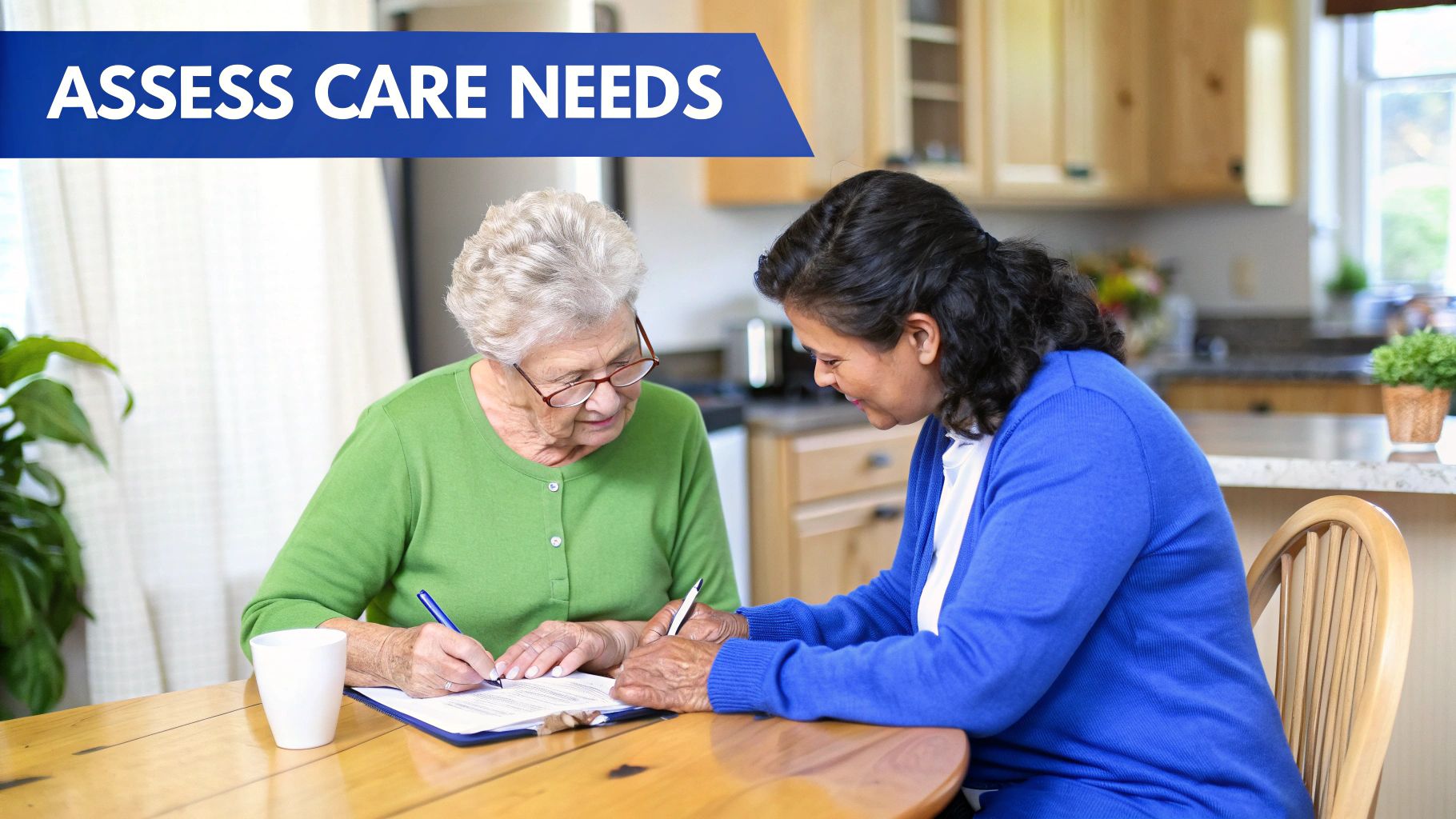
The world of short-term elder care is evolving. It's like watching a small sapling grow into a strong, branching tree. What was once a limited set of choices has expanded into a diverse range of specialized services, offering families more options than ever before.
This growth is driven by a few key factors. Changing family structures, advancements in medical technology, and a growing elderly population all contribute to the demand for adaptable, short-term care solutions.
For instance, consider the impact of telehealth. Services like remote monitoring and virtual doctor visits allow seniors to receive care from the comfort of home, reducing the need for frequent trips to medical facilities. This kind of flexibility was unheard of just a few years ago. We're also seeing a rise in specialized services tailored to specific needs, such as dedicated post-surgical recovery care or programs designed for individuals with dementia. This personalized approach ensures families can find the perfect fit for their loved one's unique situation. You might find this helpful resource informative.
How Market Forces Shape Care Options
The rise of short-term elder care isn't just about changing needs; it's also a reflection of market forces. Think of it like this: as the demand for these services grows, providers respond with new and innovative care models that fill the gaps left by traditional care.
This includes the expansion of home care agencies that focus on short-term assignments and the development of specialized respite programs within assisted living facilities. This healthy competition and specialization benefit families by improving both the quality and availability of care.
Cost is also a significant factor. As more families seek temporary care, economies of scale can make these services more affordable. This increased demand also encourages investment in technology and caregiver training, ultimately leading to higher quality care overall. In fact, the short-term care sector contributes to the broader growth of the elder care market. This market reached a value of $1782.6 billion in 2024 and is projected to hit $1931.98 billion by 2025, growing at a CAGR of 8.4%. This growth is fueled by an aging population and the increasing need for diverse care services, including temporary options. Discover more insights on this growth here. This impressive expansion underscores the vital role short-term care plays in meeting the changing needs of families and their aging loved ones.
Home Care Vs. Facility Care: Finding Your Perfect Match
Choosing the right short-term elder care setting can feel overwhelming. Think of it like choosing the right environment for a plant to thrive. Some plants flourish in the controlled environment of a greenhouse, while others do best in the familiar comfort of their own garden. Similarly, the best short-term care setting depends on your loved one's unique needs.
This infographic gives you a quick snapshot of the key differences between home care and facility-based care, looking at cost, length of stay, and staffing.
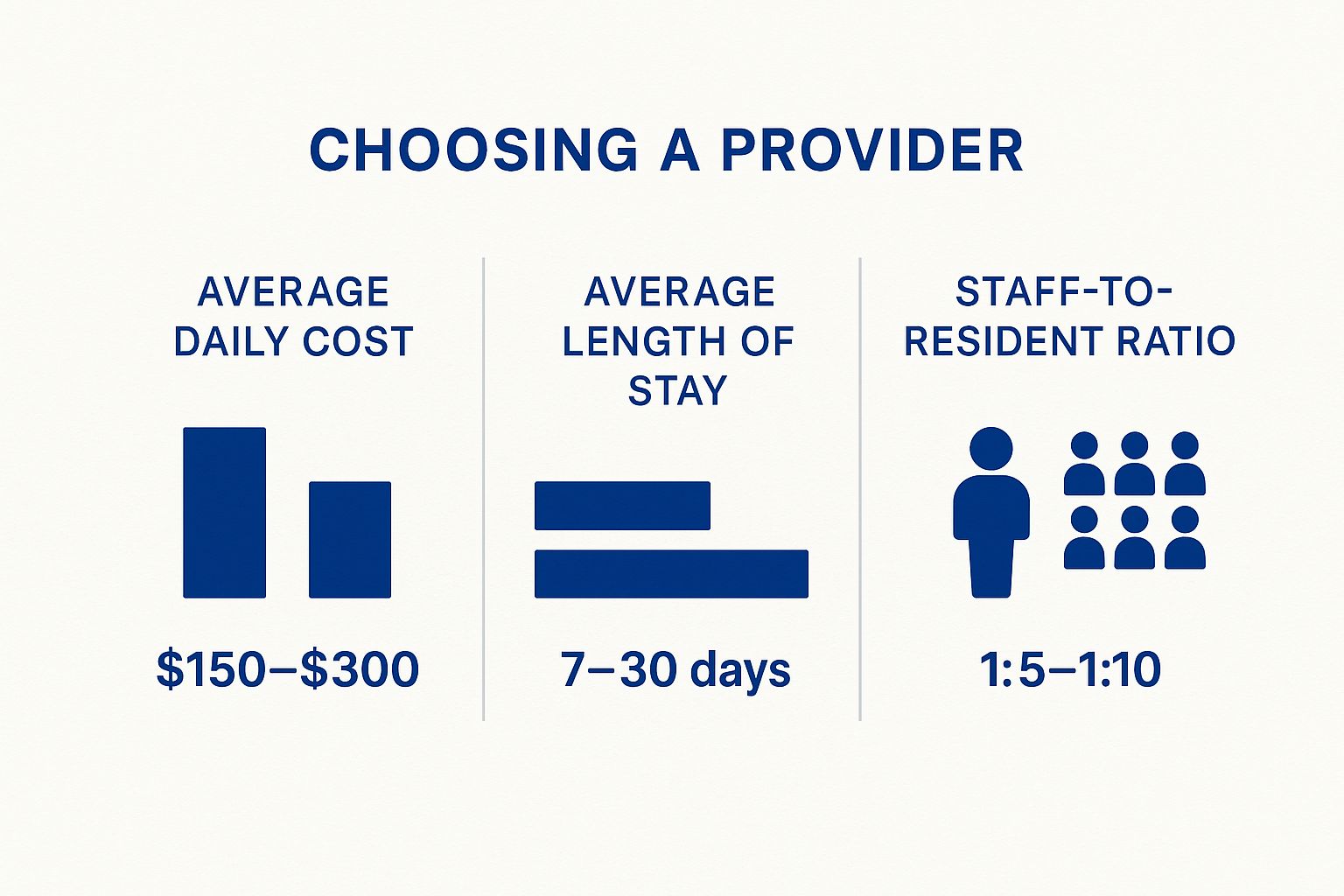
As the infographic shows, home care typically has a lower average daily cost compared to facility-based care. However, facilities often have a higher staff-to-resident ratio. The length of stay can be flexible in both settings, adapting to individual recovery needs. This really highlights the importance of thinking through your loved one's specific situation.
Medical Needs and Family Dynamics
Let's say someone is recovering from a minor surgery and needs a little help with meals and medication reminders. In this case, home care might be the perfect fit. It allows them to recover in the comfort of their own home, surrounded by their belongings and routines. But what if someone has more complex medical needs? Perhaps they require 24/7 monitoring or specialized medical equipment. In those situations, a facility setting might be a better choice.
Family dynamics also play a big role. If family members live close by and can provide significant support, home care becomes a very practical option. But if family members live far away or work full-time, a facility can provide the necessary level of care without putting extra stress on the family.
Safety, Comfort, and Hybrid Approaches
Safety is always a top priority. If your loved one is at risk of falls or wandering, a facility equipped with safety features and trained staff offers a more secure environment. It’s also important to consider your loved one's personal preferences. Some people thrive in the quiet of their own home, while others enjoy the social interaction and structured activities a facility can offer.
To help visualize the key differences, let's take a look at this comparison table:
Home-Based vs. Facility-Based Short Term Care Comparison
Comprehensive comparison of key factors including costs, services, and suitability for different care needs
| Factor | Home-Based Care | Facility-Based Care | Best For |
|---|---|---|---|
| Cost | Generally lower | Generally higher | Budget-conscious individuals, those with less intensive needs |
| Services | Personalized care, familiar surroundings | 24/7 medical monitoring, specialized services | Individuals with varying needs, from basic assistance to complex medical care |
| Suitability | Individuals recovering from minor procedures, needing companionship | Individuals requiring intensive medical care, specialized therapies, or those at risk of falls | Individuals based on specific needs and preferences |
| Flexibility | Highly flexible schedules and services | Structured routines and schedules | Individuals preferring personalized attention or requiring structured care |
| Family Involvement | Requires more family involvement for care coordination | Less demanding on family time for direct care | Families with varying availability and caregiving capabilities |
| Social Interaction | Can be isolating for some | More opportunities for social interaction | Individuals based on social preferences |
This table summarizes the core differences between home-based and facility-based care, enabling you to choose the best option based on individual needs and circumstances.
And then there's the hybrid approach. This means combining the best of both worlds – home care and facility care. For example, someone might receive intensive rehabilitation in a facility and then transition to home care for ongoing support as they recover.
The Growing Trend of Home Care
Interestingly, more and more people are choosing home-based care. This is driven by both personal preference and cost considerations, as home care is often the more affordable option. The global elderly care services market, including short-term home care, is projected to grow from $1044.86 billion in 2024 to $1132.54 billion in 2025, at a CAGR of 8.4%. Find more details about this market growth here. This shows a growing demand for care that is personalized, comfortable, and budget-friendly.
Ultimately, the decision between home care and facility care is a personal one. It's important to carefully weigh your loved one's individual needs, your family's situation, and your financial resources.
Cracking The Code On Short Term Elder Care Costs

Understanding the costs of short-term elder care can feel overwhelming. It's a bit like walking into a hardware store without a list – so many options, and where do you even begin? But don't worry, it doesn't have to be a guessing game.
Decoding the Price Tag: Real-World Examples
Imagine hiring a plumber. You'd expect a clear breakdown of costs, right? The same principle applies to elder care. Providers should offer transparent pricing, explaining exactly what services are included.
For example, an hourly rate for home care might cover:
- Assistance with bathing and dressing
- Meal preparation
- Medication reminders
A daily rate at a short-term care facility might include:
- Room and board
- Nursing care
- Physical and occupational therapy
- Meals and social activities
Transparency is key. You should feel comfortable asking questions and understanding exactly where your money is going. Resources like this one from NJ Caregiving can also be helpful.
Navigating Insurance and Funding Options
Many families naturally wonder about insurance coverage. Medicare, for instance, generally covers short-term, medically necessary skilled nursing care after a hospital stay. This is usually limited to a maximum of 100 days, and there are often out-of-pocket costs involved, like coinsurance. Medicaid, on the other hand, has different eligibility requirements but can cover long-term nursing home care for those who qualify. Private insurance policies can vary widely, so it's essential to review your specific plan.
Thinking beyond insurance, explore other financial strategies. Some families consider options like:
- Reverse mortgages
- Tapping into personal savings
- Veteran's benefits
- Long-term care insurance
Understanding these options is crucial for effective planning.
Smart Strategies for Managing Costs
Connecting with families who've already navigated this process can be incredibly valuable. They can offer practical advice on:
- Negotiating with providers
- Spotting potential red flags in contracts
- Maximizing the value of the care received
Some families, for example, find that bundling services or negotiating discounts for longer stays can result in significant savings.
To get a better sense of potential expenses, let's look at a cost breakdown.
The table below, "Short Term Elder Care Cost Breakdown," provides an overview of average costs for different types of short-term care services and potential funding sources.
| Service Type | Average Cost Range | Duration | Insurance Coverage |
|---|---|---|---|
| Home Care | Varies widely based on location and services | Flexible, from a few hours to several weeks | Limited Medicare coverage for skilled care; some private insurance coverage |
| Assisted Living (Respite Stay) | Typically higher than home care | Flexible, from a few days to several weeks | Generally not covered by Medicare; some private insurance coverage |
| Skilled Nursing Facility | Highest cost option | Typically limited to 100 days under Medicare | Medicare coverage for short-term, medically necessary care following a qualifying hospital stay; Medicaid for those who qualify |
Keep in mind that these are average ranges, and actual costs can vary based on location, specific needs, and the provider.
Planning ahead and understanding the various costs involved can help you make informed decisions and avoid financial surprises down the road. Utilizing budget planning tools and cost comparison frameworks can further assist in this process, ensuring your loved one receives the quality care they deserve without undue financial burden.
Timing Your Move: When And How To Arrange Care

Arranging short-term elder care can often feel like a race against time. Imagine trying to catch a flight – you really need to be at the gate before it closes! Knowing the right moment to start making arrangements is key.
Spotting the Signs: When Is Short-Term Care Needed?
Sometimes the need for short-term care is crystal clear, like after a hospital stay. A senior recovering from a hip replacement, for instance, will almost certainly need temporary help with everyday activities. But other times, the signs are much more subtle. Maybe a family caregiver is showing signs of burnout, juggling work and caregiving responsibilities. This is where respite care can be a lifesaver, providing temporary relief and preventing a larger crisis down the line. Recognizing these early warning signs can be truly invaluable.
Other situations where short-term care can be incredibly helpful include:
- Recovery from illness or injury: This can be anything from a minor fall to a more serious illness requiring temporary rehabilitation.
- Managing a temporary health condition: Think of situations like a flare-up of a chronic illness or a short-term infection.
- Providing a break for family caregivers: Respite care offers family caregivers the chance to rest and recharge, reducing stress and preventing burnout.
- Transitioning between care settings: Short-term care can be a crucial bridge between a hospital stay and returning home, or between home and a long-term care facility.
Finding and Securing Quality Care: A Step-by-Step Guide
Once you realize you need short-term care, finding the right provider is the next hurdle. It's similar to choosing a contractor for a home renovation – you want someone reliable, skilled, and trustworthy.
Here's a simple step-by-step process to help you navigate the search:
- Assess your loved one's needs: First, pinpoint the specific type of care required. This includes medical needs, personal care assistance, and any specialized services.
- Research potential providers: Explore different options, including home care agencies, assisted living facilities offering respite care, and skilled nursing facilities.
- Contact providers and schedule consultations: Once you have a list of potential providers, reach out to them and schedule consultations. Discuss your loved one's needs and ask detailed questions about their experience, qualifications, and approach to care. Don't hesitate to inquire about staff training, background checks, and their emergency procedures.
- Check references and reviews: Talking to other families who have used a provider's services and reading online reviews can give you valuable insights into their reputation.
- Compare costs and services: Evaluate the overall value offered by each provider, carefully balancing cost with the quality of care and services they provide.
- Develop a care plan: Work closely with your chosen provider to create a personalized care plan that addresses all of your loved one's needs. This plan should outline specific services, schedules, and how communication will be handled.
- Monitor and evaluate care: Stay involved and regularly check in with both your loved one and the care provider to ensure the care plan is being followed and that your loved one is comfortable and receiving the best possible care.
Building Flexible Care Plans: Adapting to Change
Building a flexible care plan is absolutely essential. Think of it like navigating a ship – sometimes you need to adjust your course due to unexpected weather. Your care plan should be adaptable to changing circumstances.
For example, a senior who initially needed help with basic tasks after surgery might require more intensive care if they experience a setback. A flexible care plan allows for these adjustments without interrupting the flow of care. This adaptability ensures your loved one always receives the right level of support. Open communication between the family, the care provider, and the senior is paramount to maintaining this flexibility. By being proactive and prepared, families can navigate these changes smoothly, ensuring their loved ones receive excellent care throughout their short-term care journey.
Overcoming Common Short-Term Elder Care Challenges
Arranging short-term elder care can sometimes feel like navigating a winding road – there are turns, bumps, and unexpected detours. But, just like any journey, a little planning and foresight can make the trip much smoother. Knowing the potential challenges can turn stressful situations into manageable ones.
Resistance From Loved Ones
Imagine someone suggesting you need help with tasks you've always handled yourself. You might feel a little resistant, right? Many seniors feel the same way about accepting help, even if it's temporary. They value their independence, and the idea of needing assistance can be a tough pill to swallow. The key here is open communication. Instead of focusing on the idea of "needing help," frame the conversation around maintaining independence. Explain how short-term assistance can be a bridge to regaining strength and abilities, ultimately allowing them to stay independent for longer.
Coordinating Multiple Providers
Sometimes short-term care involves a team of professionals – a home health aide, a physical therapist, maybe a visiting nurse. Coordinating their schedules and ensuring everyone is on the same page can feel like conducting an orchestra. A shared online calendar, like Google Calendar, can be a central communication hub. Or, designate a family member as the point person – the "conductor" – to keep everyone informed and ensure seamless care delivery.
Managing Care Transitions
Moving between care settings, like from a hospital to a rehab facility or back home, requires careful coordination. Think of it as a relay race. If the baton isn't passed smoothly, the runner might stumble. Clear communication between all parties – the hospital, the short-term care facility, and the family – is essential. Sharing medical records, medication lists, and specific care instructions ensures everyone is on the same page. A dedicated care coordinator can be invaluable in these situations, helping to ensure a smooth transition. NJ Caregiving offers valuable insights into coordinating care transitions.
Maintaining Quality Standards
Just like choosing a restaurant, you want to be sure your loved one is receiving the best care possible. Regular communication with the care provider, visits to the facility (if applicable), and active involvement in your loved one’s care are essential. Don't hesitate to ask questions or voice any concerns. This ongoing monitoring is like a quality control check, ensuring your loved one receives the highest standard of care.
Practical Strategies for Success
Addressing these common challenges proactively builds confidence and creates a positive experience for both the senior and their family. Building trust with new caregivers, managing family disagreements, and maintaining your loved one's dignity are all crucial elements of a successful short-term care experience. Remember, short-term care is designed to be a supportive stepping stone, helping your loved one regain strength and independence.
Making Short-Term Elder Care Work For Your Family
Successfully navigating short-term elder care is like a three-legged stool: it requires preparation, communication, and flexibility. Think of it as orchestrating a family gathering – you plan the menu, coordinate with everyone attending, and stay ready to adjust if Uncle Joe brings an unexpected plus-one.
Practical Checklists and Scenarios
Preparation means creating checklists for different situations, much like a pilot has checklists for takeoff, landing, and everything in between. For a planned respite stay, your checklist might include confirming medications, packing comfortable clothes, and sharing your loved one's daily routine with the facility. In an emergency, the checklist might focus on contacting a home health agency like Visiting Angels, arranging for medical equipment delivery, and updating family members.
Having these checklists ready streamlines the process and reduces stress during what can be an emotionally charged time. It's like having a fire drill – while you hope you never need it, the practice brings peace of mind.
Building Your Care Network
Building a network of trusted resources before you need them is invaluable. It's like having a reliable plumber you can call when a pipe bursts – you don't want to be searching frantically in the middle of a flood. Your care network could include home care agencies, respite care providers, physical therapists, and even meal delivery services like MealPro.
Having these contacts at your fingertips saves valuable time and prevents panicked searching during a crisis. It allows you to focus on your loved one's comfort and care, rather than scrambling for resources. This proactive approach can significantly improve the overall experience.
Evaluating Care Quality and Adapting to Change
Monitoring care quality and adjusting to changing needs is the final, crucial step. Regularly connect with caregivers, observe your loved one's well-being, and maintain open communication with the care provider. This feedback loop is like a thermostat – it helps you regulate the temperature of the care plan and make adjustments as needed.
Flexibility is key because circumstances can shift unexpectedly. Perhaps your loved one needs additional physical therapy after a hospital stay, or a temporary respite stay needs to be extended due to a slower-than-anticipated recovery. A flexible care plan allows you to adapt quickly and smoothly, ensuring consistent, quality care.
By embracing preparation, open communication, and adaptable planning, you can create a positive and supportive short-term elder care experience for your loved one and your family.
Are you looking for compassionate and reliable short-term elder care in the Princeton, NJ area? NJ Caregiving provides personalized in-home care services tailored to meet the unique needs of your loved one. Contact us today to learn how we can support your family.
