

The Wellness Power of Consistent Meal Planning
Maintaining consistent nutrition becomes increasingly vital as we age. This isn't simply about consuming healthy foods; it's about establishing regular meal times and ensuring each meal provides the necessary nutrients for optimal well-being. Think of your body as a finely tuned engine: it requires the right fuel at the right times to function effectively. Senior meal prep plays a key role in achieving this balance.
Why Regular Mealtimes Matter
Consistent meal planning establishes a foundation for balanced nutrition, which has been shown to improve energy levels, manage chronic conditions, and support better medication absorption. For instance, maintaining stable blood sugar levels, often achieved through regular meal intervals, is crucial for individuals managing diabetes. A predictable eating schedule also helps prevent energy crashes and promotes a stronger immune system.
Overcoming Challenges in Senior Meal Prep
It's important to recognize the challenges seniors face with meal preparation. Decreased appetite, limited energy, and difficulty with grocery shopping are common obstacles. However, these hurdles can be overcome with strategic meal planning. Senior meal prep allows for adjusting portions to accommodate smaller appetites and simplifying recipes to reduce cooking time and effort.
The Prevalence of Meal Skipping
One significant trend in senior nutrition is the prevalence of meal skipping among older adults. Studies indicate approximately 33.8% of women and 33.3% of men are identified as meal skippers. This behavior can be linked to factors like loneliness, which affects many seniors. Lonely older adults, for example, skip an average of 224 meals per year, highlighting the impact of social isolation on nutritional habits. Learn more about this connection: Loneliness and Meal Skipping
Reclaiming Independence Through Meal Preparation
Senior meal prep isn't solely about physical health; it's about maintaining independence and control over one's well-being. By taking charge of their nutrition, seniors can improve their overall quality of life. This can lead to more energy for daily activities, increased social engagement, and a greater sense of self-sufficiency. Preparing meals in advance frees up time and mental energy, allowing seniors to pursue enjoyable activities. This sense of control over their nutritional intake also contributes to a more positive outlook and improved mental well-being. Ultimately, consistent senior meal prep empowers older adults to live healthier, more fulfilling lives.
Nutritional Foundations That Fuel Your Best Years
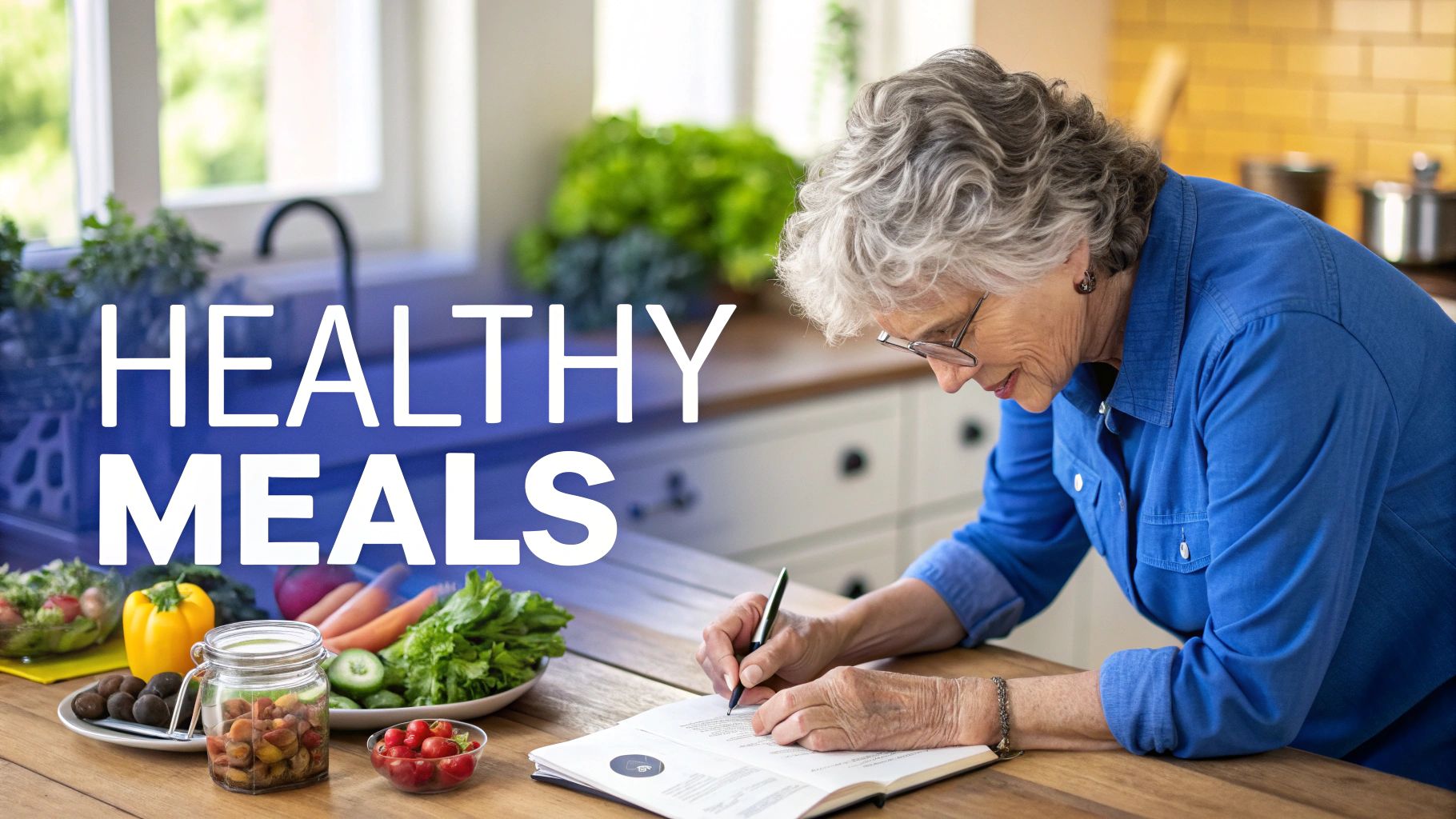
As we enter our golden years, our bodies' needs change. This means senior meal prep becomes crucial for maintaining health and independence. It's more than just convenience; it's an investment in well-being. This section explores the key nutritional elements that contribute to vitality as we age.
The Importance of Protein
Protein plays a vital role in maintaining muscle mass and strength, counteracting the natural age-related decline. Adequate protein intake helps seniors stay active and mobile, performing daily tasks with greater ease. It also supports a healthy immune system, which becomes increasingly important as we get older.
Addressing Nutrient Deficiencies
Senior meal prep also addresses common nutrient deficiencies. As we age, our bodies may absorb certain vitamins and minerals less efficiently. These essential nutrients include Vitamin B12, Vitamin D, and calcium. Including foods rich in these nutrients in meal prepped dishes is key. Think fortified cereals, fatty fish, and dairy products for optimal levels.
Adapting to Changing Needs
Senior meal prep often involves adapting to changing tastes and smaller appetites. This means maximizing nutrition in smaller portions. Consistent meal planning is essential. For more on this, check out this article on how to start meal planning. Variety in flavors and textures can make meals more enjoyable.
To help illustrate the vital nutrients seniors need, let's look at the following table:
Essential Nutrients for Senior Health
This table outlines key nutrients that become increasingly important as we age, their functions, recommended daily intake for seniors, and good food sources to include in meal prep.
| Nutrient | Function | Daily Requirement for Seniors | Food Sources |
|---|---|---|---|
| Protein | Maintains muscle mass and supports the immune system | 0.8 grams per kilogram of body weight | Lean meats, poultry, fish, beans, lentils, eggs, dairy products |
| Vitamin B12 | Supports nerve function and red blood cell production | 2.4 mcg | Fortified cereals, meat, poultry, fish, eggs, dairy products |
| Vitamin D | Supports bone health and calcium absorption | 600-800 IU | Fatty fish, fortified milk, eggs, sunlight exposure |
| Calcium | Essential for bone health and muscle function | 1000-1200 mg | Dairy products, leafy green vegetables, fortified foods |
This table highlights just how crucial these nutrients are for maintaining overall health and well-being in our later years. Prioritizing these in meal prep can make a significant difference.
The Economic Impact of Meal Preparation
The economic and health consequences of poor meal preparation among seniors are substantial. Unhealthy diets contribute heavily to healthcare expenses. Disease-associated malnutrition among seniors cost an estimated $51.3 billion annually in the U.S. (in 2010 dollars). Seniors spend an average of 43 minutes per day on food preparation and cleanup, a considerable time investment. For more detailed information, see: Learn more about the impact of meal prep.
Practical Strategies for Senior Meal Prep
Effective senior meal prep translates nutritional science into practical strategies. This involves choosing nutrient-rich foods that support cognitive function, bone health, and sustained energy. Foods rich in antioxidants, such as berries and leafy greens, can contribute to cognitive well-being. By focusing on easy-to-prepare, nutritious meals, seniors can enjoy delicious food and promote their long-term health.
Time-Saving Senior Meal Prep That Actually Works

Forget long hours toiling in the kitchen! Senior meal prep is about working smarter, not harder. It's about ensuring you enjoy healthy and delicious meals without the constant daily effort. This means making the most of your time and energy while still focusing on good nutrition. This section offers practical strategies to simplify your cooking process.
Batch Cooking for Efficiency
One of the most effective time-saving methods is batch cooking. This involves making larger quantities of food at once to create several meals. For example, roasting a whole chicken or a large pan of vegetables can provide ingredients for several lunches and dinners. This method greatly reduces overall cooking time during the week and minimizes cleanup. It's like having your own personal meal delivery service, always stocked with ready-made dishes.
Utilizing Kitchen Tools
Certain kitchen appliances can be incredibly helpful for senior meal prep. Slow cookers, for example, allow you to add ingredients and let them simmer throughout the day with minimal supervision. This is perfect for flavorful stews, soups, and other dishes that taste even better the next day. Using a blender can also be helpful for whipping up quick and nutritious smoothies or soups. These appliances turn meal prep into a simple, hands-off process.
Adapting Your Kitchen Setup
Creating a senior-friendly kitchen means making the space work for you. This might involve rearranging your pantry and refrigerator to keep frequently used items within easy reach. This reduces bending and reaching. Investing in lightweight cookware can also make it easier to manage pots and pans. Tools like jar openers and electric can openers can also simplify tasks that may become more difficult over time. These simple changes can greatly improve your overall cooking experience.
Smart Shopping and Storage Solutions
Minimizing trips to the grocery store saves both time and energy. Creating a detailed shopping list based on your meal plan ensures you only buy what you need. This reduces food waste and impulse buys. Consider using grocery delivery services. For storage, using clear containers lets you easily see the contents without having to lift and check each one. Labeling containers with dates also helps prevent food spoilage and promotes efficient use of ingredients.
Reclaiming Your Nutritional Independence
Time-saving senior meal prep ultimately empowers you to take control of your nutrition. By simplifying the cooking process and maximizing efficiency, you can focus on enjoying healthy, delicious meals without the daily burden of meal preparation. This supports independence, improves nutritional intake, and enhances your overall quality of life. Contact Caring Hands Senior Services at https://caringhandsseniorservices.org for personalized support and resources for senior meal planning.
Senior-Friendly Recipes That Deliver Joy and Nutrition
This section explores exciting recipes designed for seniors' nutritional needs and any practical limitations that may come with age. Forget bland, institutional meals! We're talking vibrant flavors, satisfying textures, and optimal nutrition, all while keeping preparation simple. We've collaborated with chefs and nutritionists specializing in senior health to bring you the best.
One-Pot Wonders and Easy Meal Prep
Discover one-pot wonders: complete protein and a variety of vegetables without endless chopping or mountains of dishes. These are especially helpful for seniors with limited mobility or energy.
Imagine a hearty chicken and vegetable stew simmering in a slow cooker. Minimal hands-on time, several servings, and maximum flavor. This approach simplifies cooking while prioritizing nutrition.
Boosting Your Morning with Nutritious Breakfasts
A nutritious breakfast is essential for sustained energy. Overnight oats are a simple yet powerful option.
The night before, combine oats, milk (dairy or plant-based), chia seeds, and your favorite fruits in a jar. Wake up to a delicious, ready-to-eat breakfast. No morning meal prep, just lasting energy throughout the day.
Delicious Dinners with Leftovers to Spare
Dinner should not only taste great fresh, but also offer delicious leftovers. A roasted salmon fillet with roasted vegetables, for example, can be easily portioned for another meal.
This reduces overall cooking time and ensures continued balanced nutrition. It's a smart and efficient strategy for senior meal prep.
Adapting Recipes for Dietary Needs
Many seniors have specific dietary needs, like low-sodium or diabetes-friendly meals. Each recipe here includes adaptation notes for common restrictions.
This might involve simple swaps like using low-sodium broth or substituting brown rice for white rice. Even texture modifications are easy. Pureeing soups or stews makes them easier to swallow for those with chewing difficulties. Everyone can enjoy delicious and nutritious meals, regardless of dietary needs.
Simple Swaps, Big Nutritional Impact
Transform familiar dishes into nutritional powerhouses with strategic ingredient swaps. Replacing white bread with whole-wheat bread adds fiber and nutrients.
Similarly, using Greek yogurt instead of sour cream boosts protein and reduces fat. These small changes significantly impact overall nutrition without sacrificing flavor.
Weekly Meal Plans: Simplifying Senior Nutrition
Eliminate decision fatigue with pre-planned weekly menus. These plans provide a roadmap for grocery shopping and meal preparation. They offer a structured approach to senior meal prep, taking the guesswork out of mealtime.
To illustrate this, let's look at a sample 7-day meal plan:
7-Day Senior Meal Prep Plan
This table presents a complete weekly meal plan with nutritionally balanced options that can be prepared in advance, including ingredient lists and preparation notes.
| Day | Breakfast | Lunch | Dinner | Snacks | Prep Notes |
|---|---|---|---|---|---|
| Monday | Overnight Oats with Berries | Lentil Soup | Baked Chicken Breast with Roasted Vegetables | Apple slices with almond butter | Prepare overnight oats and chop vegetables Sunday night. |
| Tuesday | Scrambled Eggs with Whole-Wheat Toast | Leftover Chicken and Vegetables | Salmon with Quinoa | Cottage cheese with sliced peaches | Cook extra quinoa for Wednesday's breakfast. |
| Wednesday | Quinoa Breakfast Bowl with Nuts and Seeds | Leftover Salmon | Turkey Meatloaf with Mashed Sweet Potatoes | Yogurt with berries | Prepare meatloaf mixture Tuesday evening. |
| Thursday | Whole-Wheat Pancakes with Fruit | Turkey and Vegetable Soup | Chicken Stir-Fry with Brown Rice | Hard-boiled eggs | Make soup with leftover turkey carcass. |
| Friday | Yogurt Parfait with Granola and Fruit | Leftover Chicken Stir-Fry | Bean and Cheese Burritos | Rice cakes with avocado | Cook extra rice for burritos. |
| Saturday | French Toast with Berries | Leftover Burritos | Shepherd's Pie with Ground Turkey | Sliced bananas with peanut butter | Prepare mashed potatoes for Shepherd's Pie ahead of time. |
| Sunday | Scrambled Eggs with Spinach and Whole-Wheat Toast | Leftover Shepherd's Pie | Roast Beef with Roasted Root Vegetables | Trail mix | Roast extra vegetables for Monday's lunch. |
This sample menu demonstrates how easy it can be to enjoy delicious and nutritious meals throughout the week with a little planning. Contact Caring Hands Senior Services at https://caringhandsseniorservices.org for more personalized senior meal planning resources.
Accessing Resources That Transform Senior Nutrition

Planning and preparing nutritious meals for seniors can sometimes feel daunting. However, a wide range of resources and organizations exist to simplify this process. These services go beyond simply providing food; they offer valuable social connections and community support.
Community-Based Nutrition Programs
Many communities offer programs that blend social interaction with nutritional guidance. These initiatives foster a sense of belonging while addressing dietary needs, which is especially helpful for seniors living alone or experiencing isolation.
-
Group Cooking Classes: These classes provide hands-on learning experiences, teaching new recipes and culinary skills. Participants also benefit from socializing with others in a supportive environment.
-
Meal Sharing Programs: Connecting seniors with volunteers who deliver meals, these programs nourish both body and spirit. The regular interaction provides companionship and strengthens community ties.
These programs create a crucial link between nutrition and social connection, making mealtimes more enjoyable and promoting overall well-being.
Specialized Meal Delivery Services
Beyond familiar meal delivery platforms, specialized services cater specifically to senior needs. These options focus on individual dietary requirements and cultural preferences, taking the guesswork out of meal planning.
-
Dietary-Specific Meals: Seniors with diabetes, heart conditions, or other dietary restrictions can find tailored meals designed to meet their unique health needs.
-
Culturally Diverse Options: Recognizing the importance of cultural preferences, these services provide meals that are both nutritious and reflect diverse culinary traditions.
This allows seniors to enjoy familiar and flavorful meals while adhering to prescribed diets, increasing satisfaction and supporting healthy eating habits. Home-delivered meal programs also play a vital role in addressing nutritional deficiencies among older adults. These programs offer customized meals for various health conditions, such as diabetes or renal disease. Despite their benefits, it's estimated that less than five percent of eligible older Americans participate in these programs. Many Meals on Wheels programs, for example, deliver at least five meals per week, offering vital nutrition and social contact for isolated seniors. Learn more about the impact of these programs: Home-Delivered Meal Programs and Senior Nutrition
Financial Assistance for Senior Nutrition
Navigating financial assistance programs can be complex. This section provides clear information on programs designed to support senior nutrition, explaining eligibility requirements and application processes.
-
Supplemental Nutrition Assistance Program (SNAP): SNAP benefits help low-income seniors purchase groceries, providing essential support for accessing healthy food.
-
Local Senior Centers: Many senior centers offer free or low-cost meals, often combined with engaging social activities. These resources contribute significantly to seniors' overall well-being.
Understanding these programs can significantly improve a senior's ability to access nutritious food. Contact Caring Hands Senior Services for personalized support.
Technology Solutions for Senior Meal Prep
Technology can simplify senior meal prep in convenient ways. From grocery delivery apps that bring fresh ingredients to your doorstep to meal planning tools that create menus and shopping lists, technology offers valuable assistance.
-
Grocery Delivery Apps: These apps eliminate the need for trips to the grocery store, a particularly helpful feature for seniors with mobility challenges.
-
Meal Planning Tools: These resources streamline meal planning with recipe ideas, nutrition information, and automated shopping lists, simplifying mealtimes and ensuring balanced nutrition.
These tools provide greater convenience and control over food choices, empowering seniors to maintain nutritional independence. Contact Caring Hands Senior Services for assistance in finding and using tech resources to improve senior meal prep.
Turning Senior Meal Prep Into Meaningful Connection
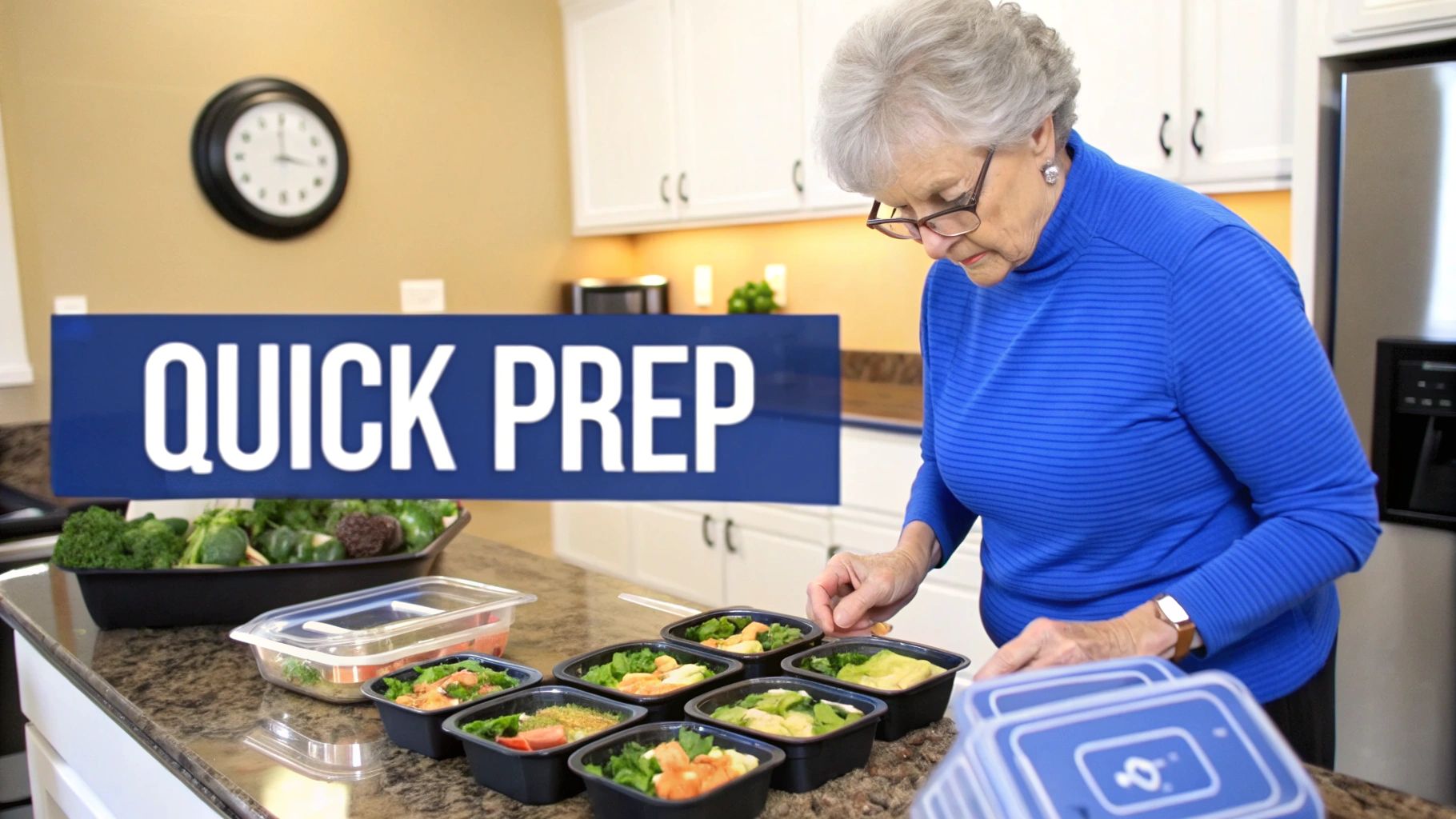
Senior meal prep offers more than just physical nourishment; it's a valuable opportunity to combat social isolation and build strong connections. Sharing a meal has always been a fundamental aspect of human interaction. This section explores how preparing and enjoying meals together can significantly enhance a senior's overall well-being.
Cooking Clubs and Meal-Sharing Initiatives
Many senior communities have seen firsthand the positive impact of cooking clubs and meal-sharing programs. These groups offer a space for seniors to socialize while participating in a fulfilling and enjoyable activity.
These initiatives create a sense of belonging and shared purpose, transforming mealtimes into social events. One senior center, for example, observed a noticeable rise in engagement and positive feedback after starting a weekly cooking club. Members reported feeling more connected and less lonely.
Intergenerational Cooking: Bridging the Gap
Intergenerational cooking brings together people of different ages, promoting understanding and connection. Grandparents cooking with grandchildren, for instance, helps preserve cherished family recipes and cultural traditions while creating lasting memories.
This shared activity strengthens family bonds and provides opportunities for sharing knowledge and stories. It's not simply about the food itself; it's about the shared experience and the relationships that are nurtured in the process.
Creating Cooking Groups in Senior Communities
Developing thriving cooking groups in senior communities requires careful planning and consideration. Accessibility is paramount. This may involve ensuring countertops are at a suitable height for wheelchair users or providing adaptive cooking utensils for those with limited dexterity. Selecting simple, easy-to-follow recipes can also boost participation and enjoyment.
Here are a few conversation starters to encourage meaningful interactions within cooking groups:
- What's your favorite dish to cook, and why?
- Do you have any special family recipes you'd like to share?
- What's the most interesting meal you've ever had?
These simple questions can spark deeper conversations and cultivate genuine connections among participants.
Virtual Cooking Sessions: Connecting Seniors From Afar
For seniors with mobility limitations or those living far from family, virtual cooking sessions provide a valuable way to connect. Using video conferencing platforms like Zoom, seniors can interact with others and prepare meals together, even when physically apart.
This modern approach to social connection allows seniors to share their passion for cooking and build relationships, regardless of distance. Choosing platforms that are user-friendly for older adults enhances accessibility and encourages active involvement.
Thinking about incorporating meal prep into the lives of the seniors you care for? Contact Caring Hands Senior Services at https://caringhandsseniorservices.org for individualized support and resources specifically designed for senior meal planning. We're dedicated to making mealtimes more enjoyable and nutritious for the seniors in your life.
