
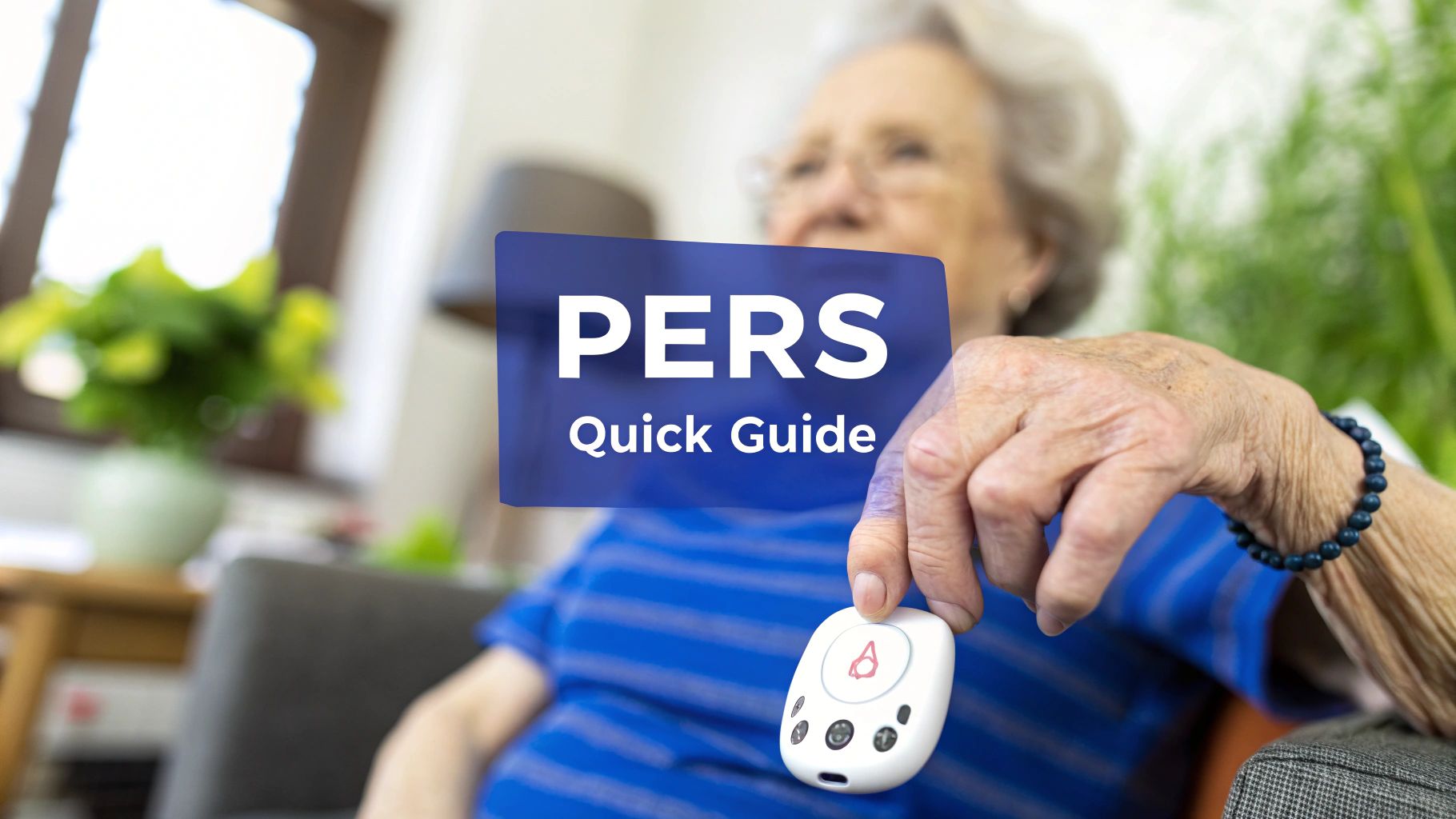
Think of a personal emergency response system (PERS) as a lifeline—a simple, reliable device that acts as a 24/7 safety net. It’s designed to give people, especially seniors, the confidence they need to continue living independently, knowing that help is always just the push of a button away.
How a Personal Emergency Response System Works
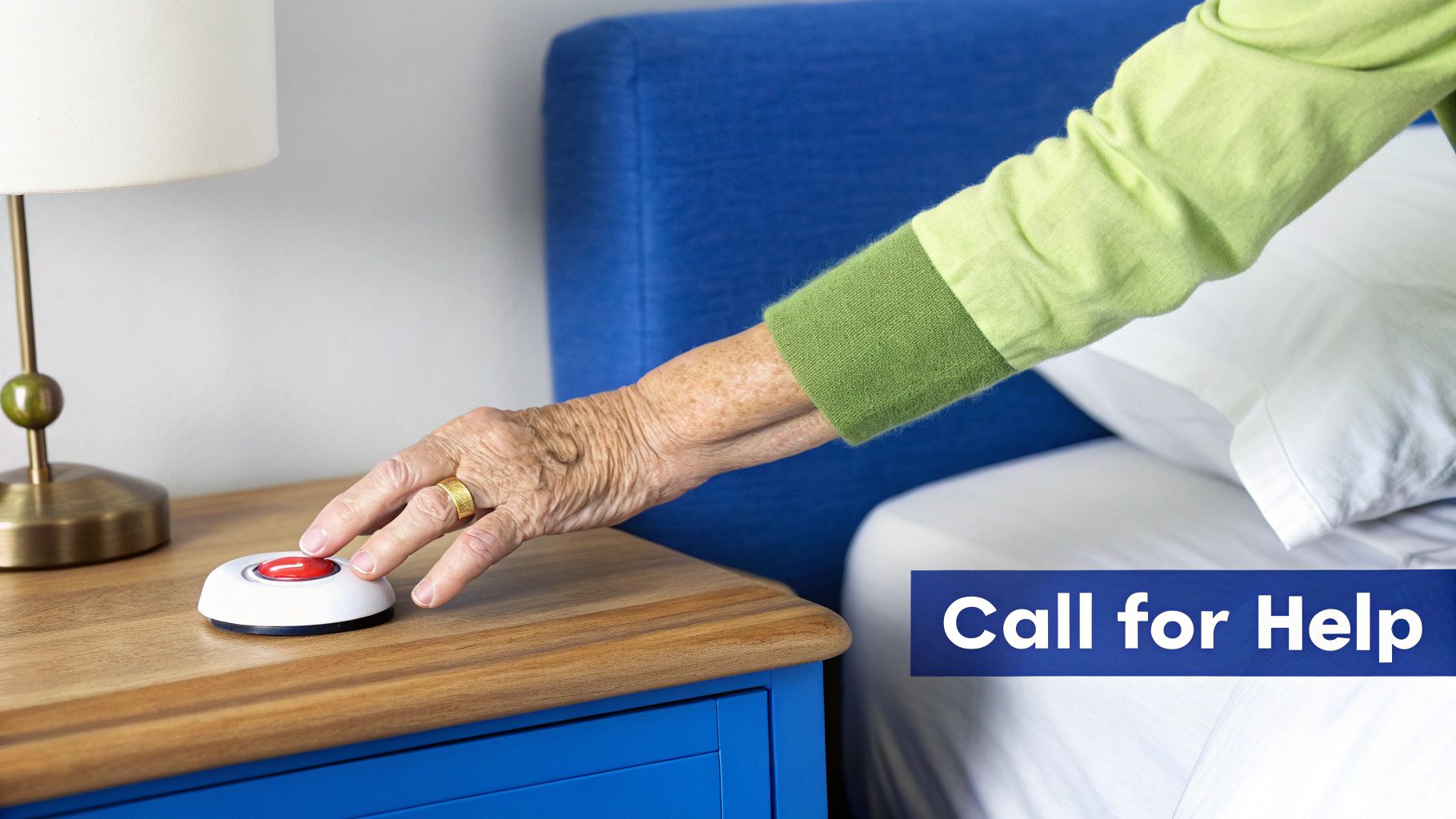
Imagine a personal safety net that’s always there, ready to catch you in an emergency. That’s really the core idea behind how a personal emergency response system works. It bridges the gap between a person living on their own and immediate, professional help, turning a moment of crisis into a managed, calm response.
The technology itself is refreshingly straightforward. It operates on a simple process designed for complete reliability and ease of use, even in a stressful situation. This elegant simplicity is what makes a PERS so effective and reassuring for both seniors and their families.
How a PERS Delivers Help in Three Simple Steps
At its heart, every PERS device follows the same critical path, from the moment a user signals for help to the arrival of assistance. It’s a chain reaction designed to ensure no call for help ever goes unanswered. This process is the very foundation of the security and peace of mind these systems provide.
| Step | What Happens | The Outcome |
|---|---|---|
| 1. Activation | The user presses the help button on their wearable device (like a pendant or wristband), or a fall is detected automatically. | An immediate signal is sent to the system’s in-home base unit. |
| 2. Connection | The base unit, using a landline, cellular network, or Wi-Fi, instantly connects to a 24/7 monitoring center. | A trained professional is alerted and ready to respond in seconds. |
| 3. Response | An operator speaks with the user through the base unit's two-way speaker to assess the situation. | The right help is dispatched, whether it's emergency services or a call to a designated family member. |
The beauty of the system is how it transforms a home from an isolated space into a connected one, providing a direct line to emergency personnel and loved ones exactly when it's needed most.
It’s technology that doesn't complicate life—it supports independence.
This growing reliance on such technology is clear when you look at the market's expansion. The global Personal Emergency Response System (PERS) market has swelled to approximately USD 10.20 billion, a huge jump from USD 5.9 billion. This reflects a strong compound annual growth rate (CAGR) of 6.4%, showing just how much families are coming to value these systems.
While distinct, the principles behind how a PERS works share some DNA with other health technologies like remote patient monitoring (RPM), which also uses technology to enhance safety and collect health data from a person’s home. Both are about using smart, simple tech to make independent living safer and more sustainable.
Comparing the Different Types of PERS Devices
Picking the right personal emergency response system isn't a one-size-fits-all kind of deal. The best device is the one that fits seamlessly into a person's life—their daily habits, their comfort level with technology, and where they spend their time. It's a lot like choosing shoes; you wouldn't wear hiking boots to a dinner party, and the right PERS really depends on the user's personal journey.
The market has a few different options, each built for a specific type of user. Getting a handle on these categories is the first step toward making a smart choice that delivers real security and peace of mind.
Let's break down the main types of PERS devices and figure out who they're best suited for.
Traditional In-Home Systems
Think of this as the classic, dedicated safety hub for the home. This kind of PERS usually has two parts: a base station that plugs into a landline or uses a cellular network, and a wearable help button that comes as a pendant or a wristband. Its job is simple: provide protection inside the home and in the immediate vicinity, like out on the porch or in the yard.
This system is the perfect choice for anyone who spends most of their time at home. It’s a great fit for seniors who no longer drive, have mobility challenges, or just love being in their own space. The technology is straightforward and incredibly reliable, making it an excellent option for those who aren’t looking for complicated gadgets.
An in-home system establishes a powerful safety net right where it's needed most, ensuring help is always within reach inside the home.
The user just wears the lightweight button. If something happens, a single press sends a signal to the base unit, which instantly connects them to a 24/7 monitoring center. An operator can then talk to them through a powerful two-way speaker and send help right away.
Mobile PERS with GPS
For seniors who are still active, independent, and always on the move, a mobile PERS with GPS is a game-changer. These devices aren't tied to a base station at home, so they offer protection just about anywhere there’s a cellular signal. A trip to the grocery store, a visit with friends, a walk in the park—a mobile PERS goes right along with them.
These are compact, wearable units with their own cellular connection, microphone, speaker, and GPS technology built right in. If the user needs help, they press the button, and the device connects them to the monitoring center while sending their exact location at the same time. This location tracking is the key feature, making sure emergency services can find them fast, even if they're lost or unsure of where they are.
A mobile personal emergency response system is perfect for:
- Active Seniors: Folks who still drive, volunteer, or keep up a busy social life.
- Frequent Travelers: Anyone who visits family or takes trips and needs reliable protection away from home.
- Individuals with Memory Concerns: The GPS function provides an essential safety layer for users who might get disoriented.
Modern Smartwatch PERS
The newest evolution in the PERS world combines safety tech with the sleek, discreet look of a modern smartwatch. These devices look and act just like a regular watch, showing the time and date, and sometimes even tracking activity. But hidden in plain sight is a dedicated help button and all the features of a mobile PERS.
This is a fantastic option for tech-savvy seniors or anyone who feels a traditional pendant is a bit stigmatizing or just too obvious. A smartwatch PERS normalizes the idea of wearing a safety device, making it a stylish and empowering choice that blends right into daily life. It offers robust protection without screaming for attention.
For a deeper dive into how these and other systems benefit seniors, you can explore our detailed guide on emergency alert systems for seniors. This modern approach to safety really encourages people to wear their device all the time, which is the most important thing for any PERS.
Must-Have Features That Enhance Safety and Independence
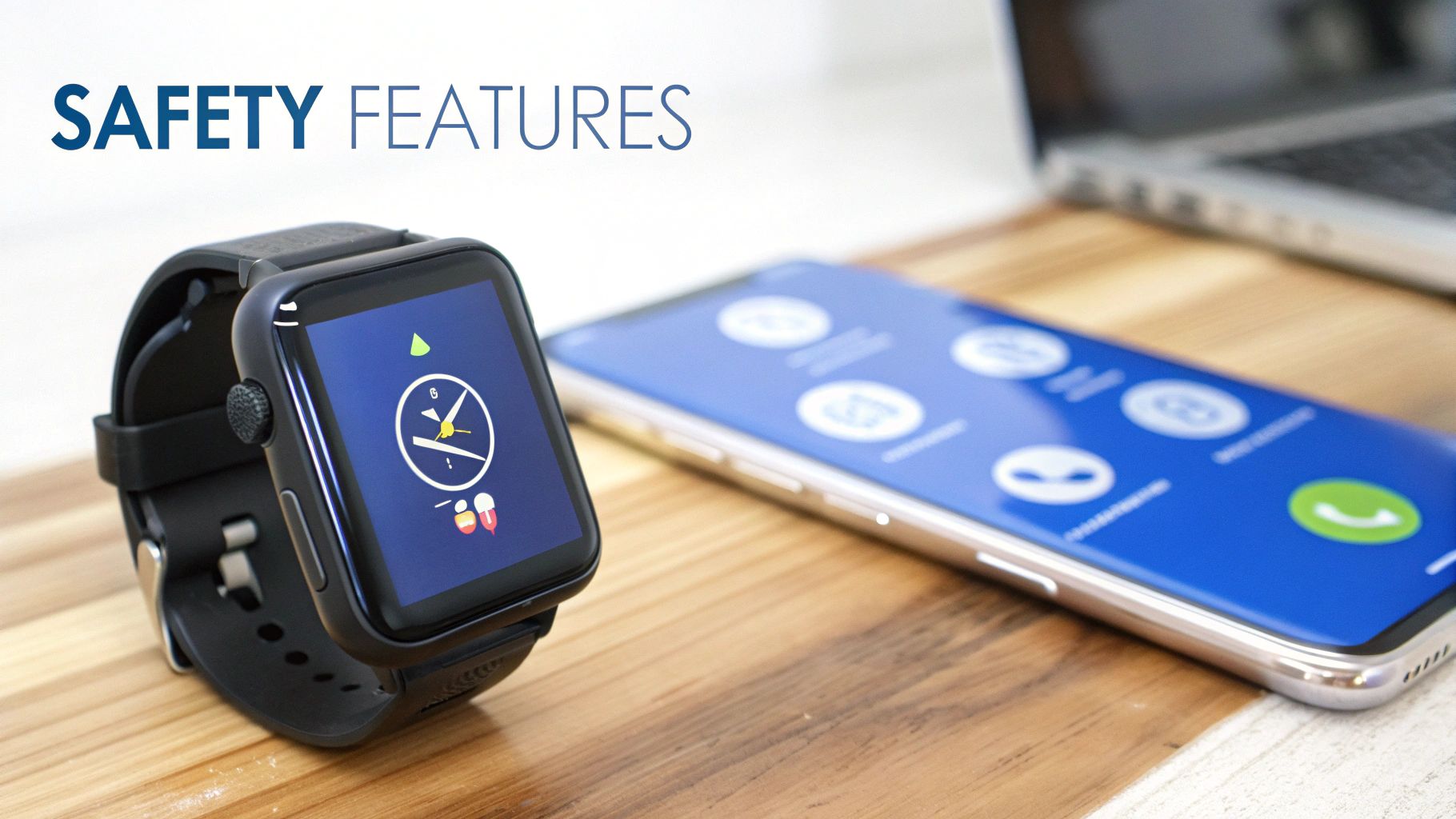
Beyond a simple help button, the real value of a modern PERS device lies in its smarter features. These are the functions that turn a basic alert system into a proactive partner in safety, working around the clock to protect your loved one.
Understanding what these features can do helps you see how this technology promotes real independence while offering a level of security that brings everyone peace of mind. Let’s break down the essential features that make a PERS device a true safety net.
Automatic Fall Detection: The Silent Guardian
One of the biggest leaps forward in PERS technology is automatic fall detection. Using sophisticated sensors like accelerometers, the device can identify the distinct, sudden motion of a fall. It works quietly in the background, always on alert.
If a fall is detected, the device doesn't wait for a button push. It automatically places a call to the monitoring center. This is a game-changer, ensuring help is dispatched even if the person is disoriented, unconscious, or can't reach their button. For anyone at a higher risk of falling, this feature is a lifesaver.
GPS Tracking for Freedom and Safety
For seniors who still love getting out and about, GPS tracking is an absolute must. Built into mobile PERS devices and smartwatches, this technology uses satellites to pinpoint a person's exact location during an emergency. It turns the device from a home-based tool into a go-anywhere companion.
Think about it: if a loved one has a medical issue while out for a walk or running errands, the monitoring center can give first responders their precise coordinates. This drastically cuts down response time. This feature offers the freedom to live life fully, with the confidence that help can find you quickly, no matter where you are.
GPS tracking doesn't just provide a location; it provides the freedom to live without boundaries. It ensures that no matter where you are, help knows exactly where to find you.
Two-Way Communication: A Reassuring Voice
In a crisis, hearing a calm, reassuring voice can make all the difference. That's exactly what two-way communication provides. A powerful speaker and a sensitive microphone are built right into the base station or mobile device.
When an alert is triggered, a direct line opens up between your loved one and a trained operator. The operator can assess the situation, offer comfort, and let them know help is on the way. This connection helps reduce panic and allows the operator to pass along critical details to emergency services.
Essential Features for Everyday Peace of Mind
Beyond the big three, a few other practical features are non-negotiable for making a PERS device reliable and easy to use every day.
- Waterproofing: A huge number of falls happen in the bathroom. A waterproof device is essential, as it allows the user to wear it in the shower or bath, ensuring they're always protected.
- Long Battery Life: Mobile devices need a battery that can keep up. Look for systems that can go for multiple days on a single charge to prevent any gaps in coverage.
- Caregiver Apps and Alerts: Many modern systems include a companion mobile app for family members. These apps can provide location updates, low-battery notifications, and even a direct way to check in, giving caregivers invaluable peace of mind.
Comparing Essential PERS Features Across Device Types
These features all work together to create a robust safety net. But not every feature is available on every type of device. This table gives you a quick visual guide to see how the different systems stack up.
| Feature | In-Home System | Mobile GPS System | Smartwatch PERS |
|---|---|---|---|
| Automatic Fall Detection | Often Available | Commonly Included | Standard Feature |
| GPS Tracking | Not Available | Standard Feature | Standard Feature |
| Two-Way Communication | Via Base Station | Built into Device | Built into Device |
| Waterproofing | Pendants are Waterproof | Commonly Included | Standard Feature |
| Caregiver Mobile App | Less Common | Often Available | Commonly Included |
As you can see, the right device really depends on the individual's lifestyle and specific needs. Choosing a system with the right combination of these features is the key to providing effective, reliable protection.
The True Value of a PERS for Seniors and Caregivers
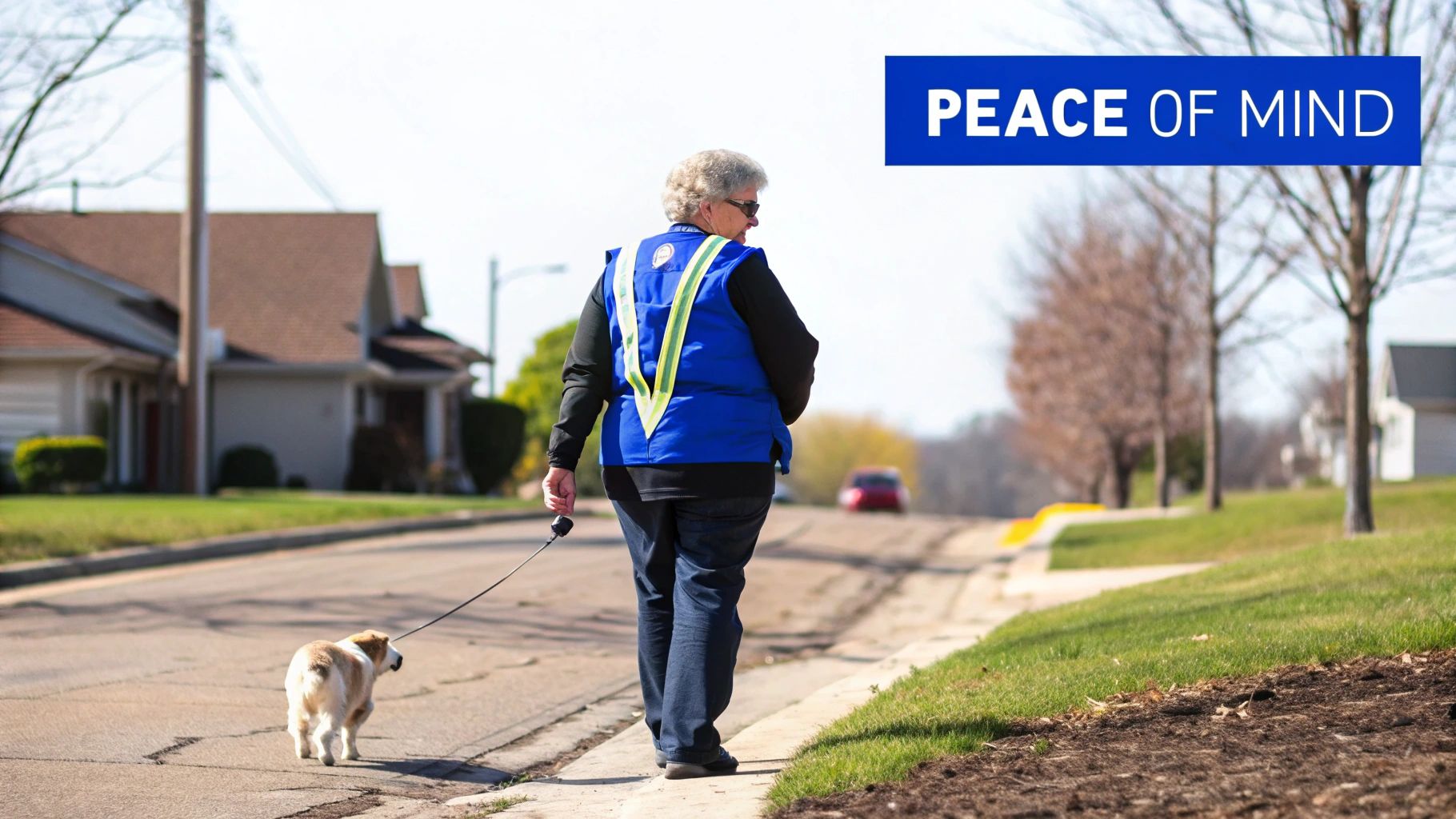
While the technology inside a personal emergency response system is impressive, its real worth isn’t about specs or features. It’s measured in the very human impact it has on seniors and the people who love them. The true story of a PERS is one of independence, confidence, and—most importantly—peace of mind.
For a senior, a PERS is so much more than a help button. It’s a key to holding onto a cherished way of life. It’s the quiet confidence to keep living in a familiar home, surrounded by memories, without that constant, nagging fear in the back of your mind. For so many older adults, the ability to "age in place" safely is everything.
A PERS empowers them to go about their day with a renewed sense of security. They can enjoy gardening, take the dog for a walk, or simply move from room to room without wondering, "What if I fall and no one is here?" This little device removes that paralyzing question and replaces it with tangible reassurance.
Fostering Independence for Seniors
The psychological boost is just as important as the physical safety net. A personal emergency response system gives seniors a feeling of control over their own well-being, which is absolutely vital for staying positive and engaged.
- Renewed Confidence: Knowing that help is available 24/7 removes the hesitation that can lead to a more sedentary, isolated lifestyle.
- Continued Activity: It encourages seniors to stay active and pursue the hobbies they love, which is critical for both physical and mental health.
- Preserved Dignity: It allows them to manage their own safety discreetly, preserving their sense of self-reliance and independence.
This isn't just a niche need; it's a response to a major demographic shift. According to The Administration for Community Living, the number of Americans aged 60 and older shot up by 34% in just one decade. This has created a sustained, growing demand for these life-saving technologies.
Delivering Peace of Mind for Caregivers
For family caregivers, the value of a PERS is measured in quiet moments. It's the ability to focus at work, get a full night's sleep, or run to the store without that constant, gnawing worry. The weight of being the sole safety net for a parent or loved one is immense and can easily lead to burnout.
A personal emergency response system acts as a reliable partner in caregiving. It doesn't replace the caregiver but supports them, sharing the responsibility of keeping a loved one safe.
This technology bridges the gap when you can’t physically be there. It quiets the fear of the unknown—the dread that an emergency could happen and go unnoticed for hours. Instead of anxiety, caregivers get reassurance, knowing a trained professional is always on standby.
This shared responsibility can actually strengthen family bonds. It allows your conversations to shift away from constant safety checks and toward more meaningful, positive interactions. For more ideas on navigating this, our guide on taking care when a caregiver isn't there offers some great insights. Ultimately, a PERS enhances the quality of life for everyone involved by turning fear into freedom.
Understanding PERS Costs and Payment Options
Let's talk about one of the first questions on every family's mind: what does a personal emergency response system actually cost? It’s natural to focus on the budget. The good news is that the pricing for these systems is usually pretty straightforward, without a lot of hidden surprises.
Typically, you’ll see two parts to the cost. First, there might be a one-time fee for the equipment itself. This can be anything from $0 (if you sign a longer-term contract) up to a few hundred dollars. The second, and most important part, is the monthly subscription for the 24/7 professional monitoring service. This is the real value—it’s what keeps your loved one connected to help.
Think of it like a home security system. You're not just buying a button; you're investing in a lifeline to a team of trained professionals who are always ready to respond, day or night.
Breaking Down the Costs
The monthly fee is where you'll see the biggest differences, and it mostly comes down to the type of device and the features you choose. Knowing the typical price ranges helps you plan for this essential safety tool.
- In-Home Landline Systems: These are usually the most affordable, often running between $20 and $35 per month. They’re a fantastic, budget-friendly option for seniors who spend most of their time at home.
- In-Home Cellular Systems: No landline? No problem. A cellular-based in-home system offers the same protection, typically costing between $30 and $45 per month.
- Mobile GPS Systems: For seniors who are still out and about, a mobile system with GPS tracking is the way to go. These generally fall between $35 and $50 per month, with the extra cost covering the cellular service and location technology.
- Advanced Features: Adding a feature like automatic fall detection might increase the monthly fee by $5 to $10. For many families, that’s a small price to pay for such a critical, life-saving function.
When you look at the cost, try to see it as an investment in independence and peace of mind. For just a dollar or two a day, you're getting a safety net that empowers your loved one to age in place with confidence and security.
Exploring Payment and Coverage Options
While many families pay for PERS out-of-pocket, there are several programs that can help make these systems more affordable. It's always worth taking a little time to see if you or your loved one might qualify for some financial help.
Trying to figure out payment for senior care can feel overwhelming, but just understanding the landscape is a huge first step. For a wider look at funding strategies, our guide on how to pay for home care offers some great context that ties in nicely with your PERS research.
Does Original Medicare Cover PERS?
This is one of the first questions we hear. Unfortunately, Original Medicare (Part A and Part B) does not typically cover the cost of a personal emergency response system. From their perspective, these devices are considered "convenience items" rather than durable medical equipment.
What About Medicare Advantage and Private Insurance?
Here’s where you might find some good news. Many Medicare Advantage (Part C) plans, which are offered through private insurance companies, do provide benefits that can cover or reimburse the cost of a PERS. These plans often bundle in extra perks that Original Medicare doesn’t, and a medical alert system is a popular one.
Likewise, some long-term care insurance policies or even private health plans may offer partial or full coverage. The key is to dig into the specific details of your policy to see if a PERS is a covered benefit.
Medicaid Coverage in New Jersey
For those who qualify, Medicaid can be a fantastic resource. Here in New Jersey, certain Medicaid waiver programs are specifically designed to help seniors and people with disabilities stay in their own homes. These programs often cover the full cost of a PERS because they recognize it as a vital tool for preventing more expensive hospital visits or moves to a nursing facility. The eligibility requirements are very specific, so your best bet is to contact your local Area Agency on Aging to learn more.
How to Choose the Right Personal Emergency Response System
Alright, let's put all this information together and figure out how to pick the perfect PERS. Choosing the right system isn’t about chasing the fanciest model with the most bells and whistles. It’s about finding the one that fits a real person’s life like a glove. Think of it less like buying a gadget and more like getting a custom-tailored suit—the best fit is completely unique to the individual.
To get to that perfect fit, you need to ask the right questions. The answers will be your roadmap, pointing you straight to the system that delivers genuine security and, just as importantly, comfort.
Assess the User’s Lifestyle and Daily Habits
First things first, you need a clear picture of what their day-to-day life actually looks like. Is your loved one a homebody who mostly enjoys quiet days inside? Or are they still out and about—driving, volunteering, and meeting up with friends?
- For the Homebody: If someone spends the vast majority of their time at home, a traditional in-home PERS is often the most reliable and simple choice. These systems give fantastic coverage throughout the house and even out into the yard.
- For the Active Individual: If they’re regularly running errands, visiting family, or just taking a walk in the park, a mobile PERS with GPS is a must. This ensures they have a lifeline no matter where their day takes them.
Evaluate Specific Health and Safety Needs
Next, let's get specific about any health concerns that should guide your choice. This is where you can really zero in on the features that will make the biggest difference.
Is there a high risk of falling because of mobility issues or a particular medical condition? If the answer is yes, then automatic fall detection is non-negotiable. This feature is critical because it ensures help is called even if the person can’t press the button themselves after a fall. What if the user has a condition like dementia? A mobile system with geofencing can be a game-changer, sending an alert to caregivers if they wander outside a pre-set safe zone.
The right PERS doesn't just react to emergencies—it proactively addresses the most likely risks. By matching features to specific health needs, you create a safety net that is both intelligent and intuitive.
Consider Comfort with Technology
Finally, be honest about the user’s comfort level with modern gadgets. The best device in the world is useless if it’s not worn consistently. It absolutely has to be easy and convenient for them to use every single day.
Ask some practical questions. "Is charging a device every single night going to be a hassle?" If so, an in-home system with a wearable button that has a battery lasting for years might be a much better option than a mobile unit that needs daily charging. For someone who might feel self-conscious wearing a classic help pendant, a discreet smartwatch PERS could be the perfect solution, blending safety tech seamlessly into a stylish accessory they’ll actually want to wear.
The process of picking a PERS often means comparing its focused purpose against broader home safety options. It can be helpful to see how these specialized devices fit into the wider world of smart home security systems to make a fully informed choice.
This infographic can help you navigate the financial side of the decision, offering a clear path for exploring your payment options.
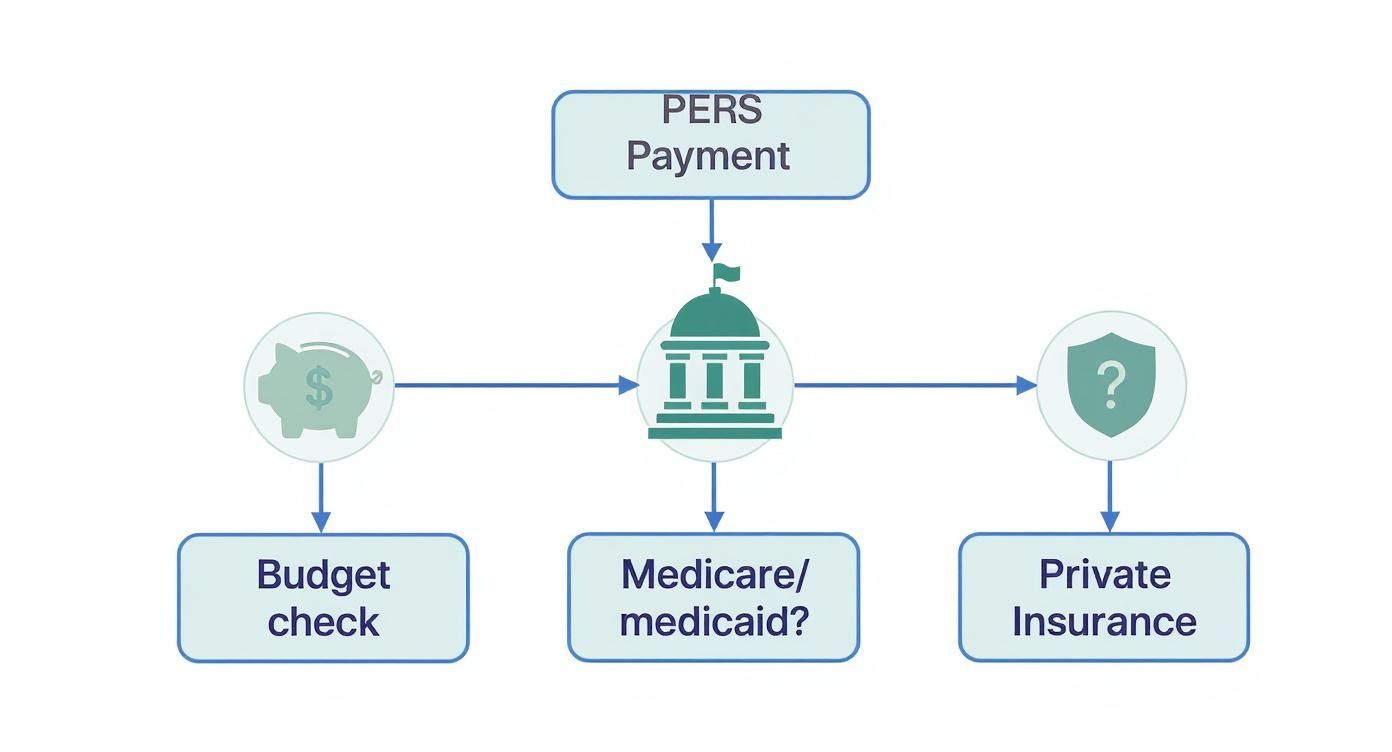
As the decision tree shows, the best approach is to start with your budget and then methodically check each potential funding source. Programs like Medicaid waivers in New Jersey or certain Medicare Advantage plans can dramatically reduce or even cover the entire cost.
By taking the time to thoughtfully answer these questions, you can move forward with confidence, knowing you’re selecting a personal emergency response system that delivers exactly the right kind of protection and peace of mind.
Got Questions About PERS? We've Got Answers.
As you think about a personal emergency response system, it's natural for a few practical questions to pop up. Let's walk through some of the most common ones so you can feel confident about how these devices fit into real life.
What Happens If I Press the Button Accidentally?
This is probably the number one question we hear, and the answer is simple: don't worry about it. If you accidentally trigger an alert, a friendly, trained operator will come on the line through the two-way communicator. All you have to do is tell them it was a false alarm.
They'll just want to make sure you're okay, and then they'll cancel the call. There's no penalty or charge for accidental presses. It’s always better to push the button when you're not sure than to wait during a real emergency.
Are PERS Devices Waterproof?
Yes, they absolutely are. Most modern PERS wearables, like pendants and wristbands, are designed to be highly water-resistant or fully waterproof. This isn't just a convenience—it's a critical safety feature.
A surprising number of falls happen in the bathroom, where surfaces are slippery. Having a waterproof device means you can wear it in the bath or shower, giving you an unbroken circle of protection where you need it most. Just be sure to check the specific model's rating, but it’s a standard feature you should expect from any quality system.
What Is the Range of an In-Home System?
For systems that use a base station in the home, the signal range is quite generous. It can vary a bit between manufacturers, but you can typically expect coverage of 600 to 1,300 feet from the base station.
This is more than enough to cover most homes, including the front porch, backyard, or garden. When you're picking out a system, just confirm the range will work for your specific living space. A reliable personal emergency response system (PERS) should give you the freedom to move around your property with confidence.
At NJ Caregiving, our goal is to find solutions that help our clients live safely and independently at home. If you have more questions or need help figuring out the right care plan, our team is here to help. You can learn more by visiting us at https://njcaregiving.com.
