
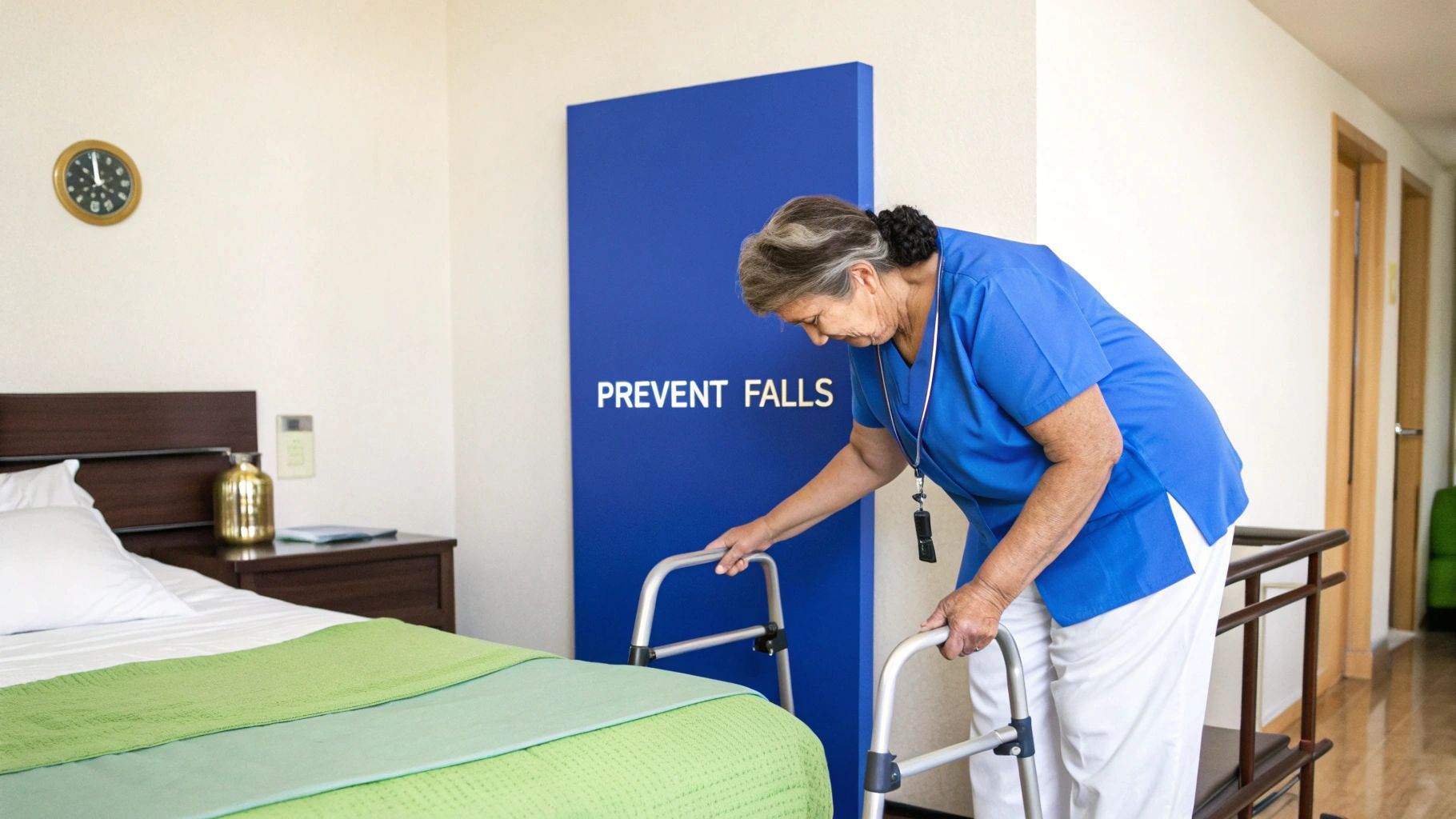
Falls are a leading cause of injury and hospitalization among older adults, yet they are not an inevitable consequence of aging. For nurses, especially those providing in-home care, mitigating this risk is a fundamental aspect of patient safety and quality of life. This article moves beyond generic advice to provide a comprehensive roundup of the top evidence-based nursing interventions for risk for falls. It is designed to be a practical, actionable resource for healthcare professionals dedicated to protecting their patients.
Inside, you will find a detailed breakdown of essential strategies, from selecting validated fall risk assessment tools to implementing targeted environmental modifications in a home setting. We will explore the nuances of medication reviews, structured toileting schedules, and the proper use of mobility aids. Each intervention is presented with clear implementation steps, real-world examples, and documentation best practices.
This guide is built for nurses, caregivers, and healthcare coordinators who need a thorough, evidence-based framework for fall prevention. You will gain specific insights into coordinating with interdisciplinary teams, scripts for effective patient and family education, and strategies tailored specifically for seniors receiving care at home. By mastering these interventions, you can build a robust, multi-faceted plan that significantly reduces fall risk, fosters patient independence, and provides peace of mind for families and caregivers. For those in the Princeton, NJ area, this information can help you collaborate more effectively with providers like NJ Caregiving to create a safer home environment for your loved ones.
1. Environmental Assessment and Modification
A systematic evaluation of the patient's immediate surroundings is one of the most effective nursing interventions for risk for falls. Since extrinsic, environmental factors contribute to nearly half of all fall incidents, proactively identifying and mitigating these hazards creates a foundational layer of safety. This intervention involves a thorough inspection of the patient's living space, whether in a hospital, long-term care facility, or at home, to remove or modify potential dangers.
How to Implement a Hazard-Free Environment
The goal is to create an accessible, well-lit, and clutter-free space that supports safe mobility. This process begins with a comprehensive assessment, often using a standardized checklist to ensure no detail is overlooked.
- Lighting: Ensure rooms, hallways, and bathrooms are brightly lit, especially at night. Install nightlights that illuminate the path from the bed to the toilet.
- Flooring: Remove throw rugs or secure them firmly to the floor with double-sided tape. Address uneven surfaces, loose floorboards, or frayed carpeting immediately. When assessing the environment, special attention should be paid to flooring that can actively reduce fall risk, such as exploring options like non-slip vinyl flooring.
- Clutter and Obstacles: Clear pathways of unnecessary furniture, electrical cords, and personal items. Keep essential items like glasses, water, and the call bell within easy reach of the patient to prevent over-stretching.
- Bathroom Safety: Install grab bars in the shower, tub, and next to the toilet. Use non-slip mats inside and outside the shower, and consider a raised toilet seat or shower chair.
Key Insight: The most critical areas to prioritize are the bedroom and the bathroom, as these two locations account for the majority of in-home falls among older adults. A focused effort here yields the highest return on safety. For those managing care at home, a detailed senior home safety assessment can provide a structured approach to identifying these risks.
By making the environment safer, nurses empower patients to move with greater confidence, directly reducing their fall risk and promoting independence. This proactive intervention is essential for a comprehensive fall prevention strategy.
2. Fall Risk Assessment and Stratification
Systematically identifying which patients are most vulnerable to falls is a cornerstone of effective prevention. This proactive nursing intervention involves using validated assessment tools to quantify a patient's fall risk, allowing for the stratification of patients into low, moderate, or high-risk categories. Early and accurate identification ensures that limited resources and intensive interventions are directed toward those who need them most.
How to Implement Systematic Risk Assessment
The goal is to integrate a standardized assessment process into the routine workflow, ensuring every patient is evaluated consistently. This begins on admission and continues throughout their care, especially after any significant change in their condition.
- Standardized Tools: Use a validated instrument appropriate for the care setting. Popular tools include the Morse Fall Scale for general hospital use, the Hendrich II Fall Risk Model in acute care, and the Timed Up and Go (TUG) test to assess mobility and balance in older adults.
- Consistent Timing: Administer the assessment on admission, at regular intervals (e.g., weekly or daily), and following any significant event. Events include a fall, a change in medication, a new medical diagnosis, or a post-operative transfer.
- Comprehensive Evaluation: Look beyond the score. A thorough assessment includes evaluating intrinsic factors like gait instability, cognitive impairment, medication side effects, and a history of previous falls.
- Staff Training: Ensure all nursing staff are proficient in administering the chosen tool correctly to maintain inter-rater reliability and the accuracy of the risk score.
Key Insight: A fall risk score is not static; it is a dynamic data point that reflects the patient's current condition. The most effective fall prevention plans are those that use reassessment data to adapt interventions in real-time, such as after a new sedative is prescribed or if the patient develops acute confusion. This makes the risk score a crucial tool for ongoing clinical decision-making.
By embedding formal risk assessment into the care plan, nurses transform fall prevention from a reactive measure into a predictive and personalized strategy, significantly improving patient safety outcomes.
3. Medication Review and Management
A comprehensive review of a patient's medication regimen is a critical nursing intervention for risk for falls. Polypharmacy, the concurrent use of multiple medications, is a significant contributor to fall risk, particularly in older adults. Medications such as sedatives, antihypertensives, diuretics, and psychotropic drugs can cause side effects like dizziness, orthostatic hypotension, and drowsiness, directly impairing balance and cognitive function.
How to Implement a Medication Safety Strategy
The goal is to minimize medication-related fall risk by collaborating with the interdisciplinary team to adjust, discontinue, or substitute high-risk drugs. This process requires systematic review and ongoing monitoring, often guided by established criteria for medication safety in the elderly.
- Identify High-Risk Medications: Systematically screen the patient's medication list for drugs known to increase fall risk. This includes reviewing prescriptions, over-the-counter medications, and supplements. Utilize tools like the American Geriatrics Society's Beers Criteria to identify potentially inappropriate medications.
- Collaborate with Prescribers: Partner with physicians, pharmacists, and nurse practitioners to optimize the regimen. This may involve adjusting the timing of an antihypertensive to reduce morning orthostatic hypotension, reducing a diuretic dose to prevent electrolyte imbalance, or switching from a long-acting benzodiazepine to a shorter-acting alternative.
- Monitor for Adverse Effects: After any medication change, carefully monitor for therapeutic effects and potential side effects. Regularly check orthostatic vital signs (blood pressure and heart rate when lying, sitting, and standing) to assess for hypotension.
- Patient and Family Education: Educate the patient and their family about why medications are being adjusted. Explain the potential side effects of their medications, the importance of taking them as prescribed, and the need to report any new symptoms like dizziness or lightheadedness immediately.
Key Insight: The timing of medication administration is as important as the medication itself. Administering a potent diuretic right before bedtime increases nocturia and the risk of a nighttime fall. A proactive review during interdisciplinary rounds can align medication schedules with the patient’s daily routine to enhance safety.
By actively managing medications, nurses can directly mitigate one of the most common and modifiable risk factors for falls. This intervention not only prevents injury but also improves the patient's overall quality of life by reducing burdensome side effects.
4. Mobility Assistance and Supervision
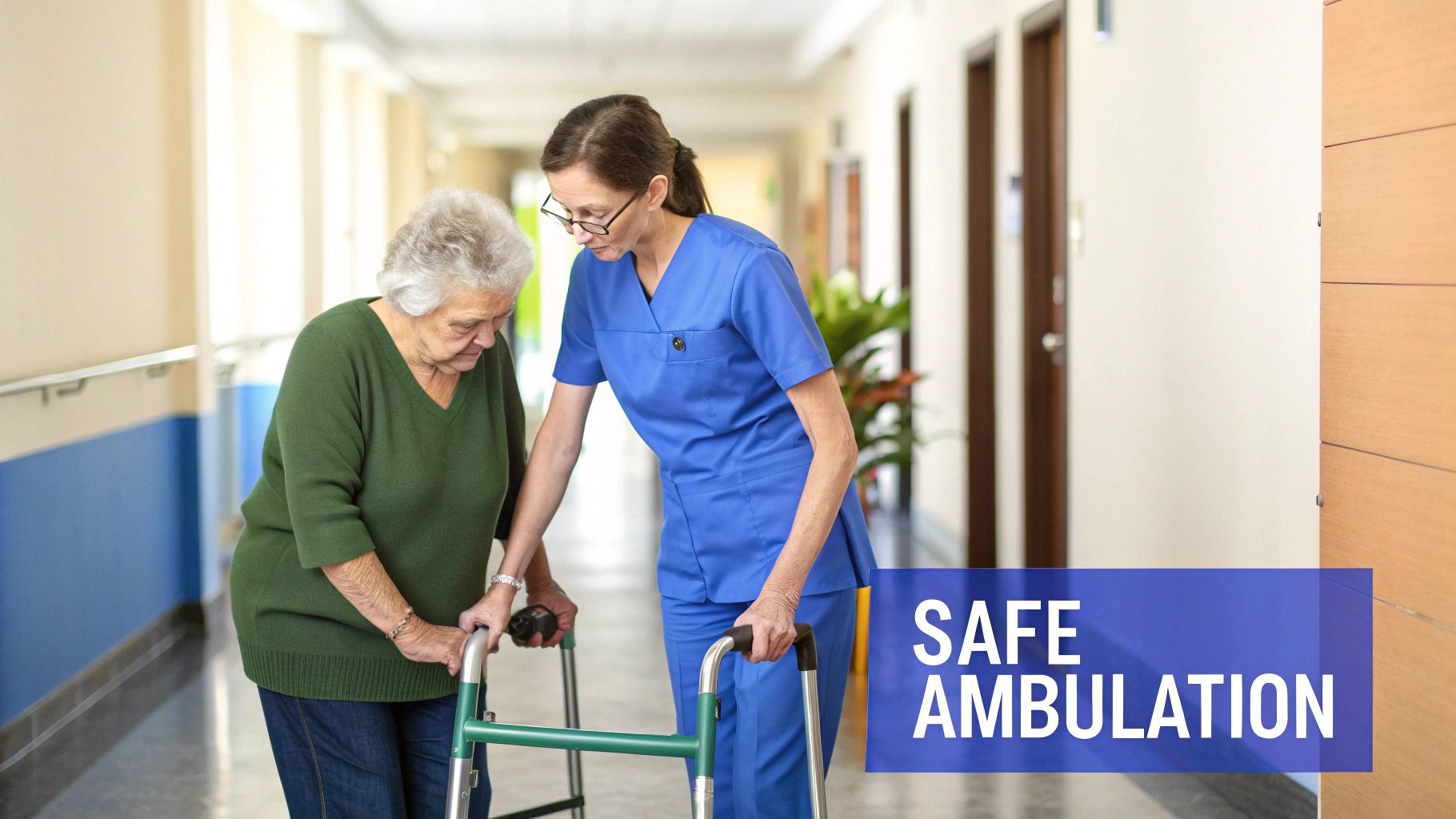
Tailoring direct physical support and supervision to a patient's specific mobility needs is a cornerstone of effective fall prevention. This intervention involves providing hands-on assistance during movement, ensuring the correct use of mobility aids, and maintaining a watchful presence during high-risk activities. By individualizing the level of support, nurses can empower patients to move safely, maintain functional independence, and build confidence, directly addressing a primary factor in fall risk.
How to Implement Individualized Mobility Support
The core objective is to match the level of assistance precisely with the patient's assessed capabilities, avoiding both over-assistance that can lead to deconditioning and under-assistance that heightens fall risk. This requires ongoing assessment and clear communication.
- Proper Use of Aids: Ensure mobility devices like walkers, canes, and wheelchairs are the correct height and in good working order. Provide clear instruction and return demonstration on their proper use.
- Transfer and Ambulation Technique: Use a gait belt for all assisted transfers and ambulation to provide a secure hold point. Ensure patients are wearing appropriate, non-slip footwear.
- Scheduled Assistance: Proactively offer assistance for toileting, especially after meals, before bedtime, and after administering medications known to cause dizziness or orthostatic hypotension.
- Supervision During High-Risk Times: Provide heightened one-on-one observation for patients who are confused, impulsive, or experiencing changes in condition, particularly during dawn, dusk, and nighttime hours.
Key Insight: A patient's perceived ability to mobilize can differ significantly from their actual capability, especially after surgery or when on new medications. Always base the level of assistance on an objective nursing assessment rather than solely on the patient's self-report to prevent unexpected falls.
By implementing consistent and personalized mobility support, nurses create a reliable safety net. This crucial nursing intervention for risk for falls not only prevents immediate harm but also fosters a therapeutic environment where patients can work toward greater strength and independence.
5. Toileting and Continence Management
A significant number of falls, particularly among older adults, occur during attempts to get to the bathroom, often driven by urinary urgency. Proactive toileting and continence management is a crucial nursing intervention for risk for falls that addresses this common trigger. By establishing predictable routines and managing incontinence, nurses can reduce the frantic, unassisted trips to the toilet that frequently lead to injury.
How to Implement Toileting and Continence Strategies
The primary goal is to minimize fall risk by meeting the patient's elimination needs in a planned, safe, and dignified manner. This intervention starts with assessing the patient's individual patterns and implementing a tailored support plan.
- Establish a Toileting Schedule: Initiate a consistent, scheduled voiding program. For high-risk individuals, this may mean offering assistance every 2-3 hours during the day and before bedtime.
- Nighttime Protocols: Implement a specific nighttime toileting plan to prevent nocturnal falls. This could involve using a bedside commode, a portable urinal within easy reach, or a planned assist to the bathroom during the night.
- Manage Incontinence: For patients with incontinence, using appropriate products like incontinence briefs can reduce the anxiety associated with accidents and decrease hurried, unsafe attempts to reach the toilet. A functional incontinence assessment helps identify the type of incontinence and guides management.
- Optimize the Bathroom Environment: Ensure the path to the bathroom is clear and well-lit with nightlights. Install grab bars near the toilet, use a raised toilet seat to ease transfers, and ensure non-slip surfaces are in place.
Key Insight: The urgency associated with a full bladder can override a patient's usual caution, making a scheduled toileting program one of the most effective nursing interventions for risk for falls. Anticipating the need rather than reacting to it is fundamental to preventing bathroom-related falls.
By integrating continence management into the fall prevention plan, nurses directly address a high-risk activity. This not only enhances patient safety and dignity but also provides a structured approach to a common and preventable cause of falls.
6. Use of Fall Prevention Devices and Equipment
Strategically deploying assistive devices and modern technology is a crucial nursing intervention for risk for falls. This approach focuses on using specialized equipment to monitor patient activity, provide immediate support, and reduce the severity of injury should a fall occur. The modern philosophy emphasizes using the least restrictive devices possible to maintain patient dignity and autonomy while maximizing safety.
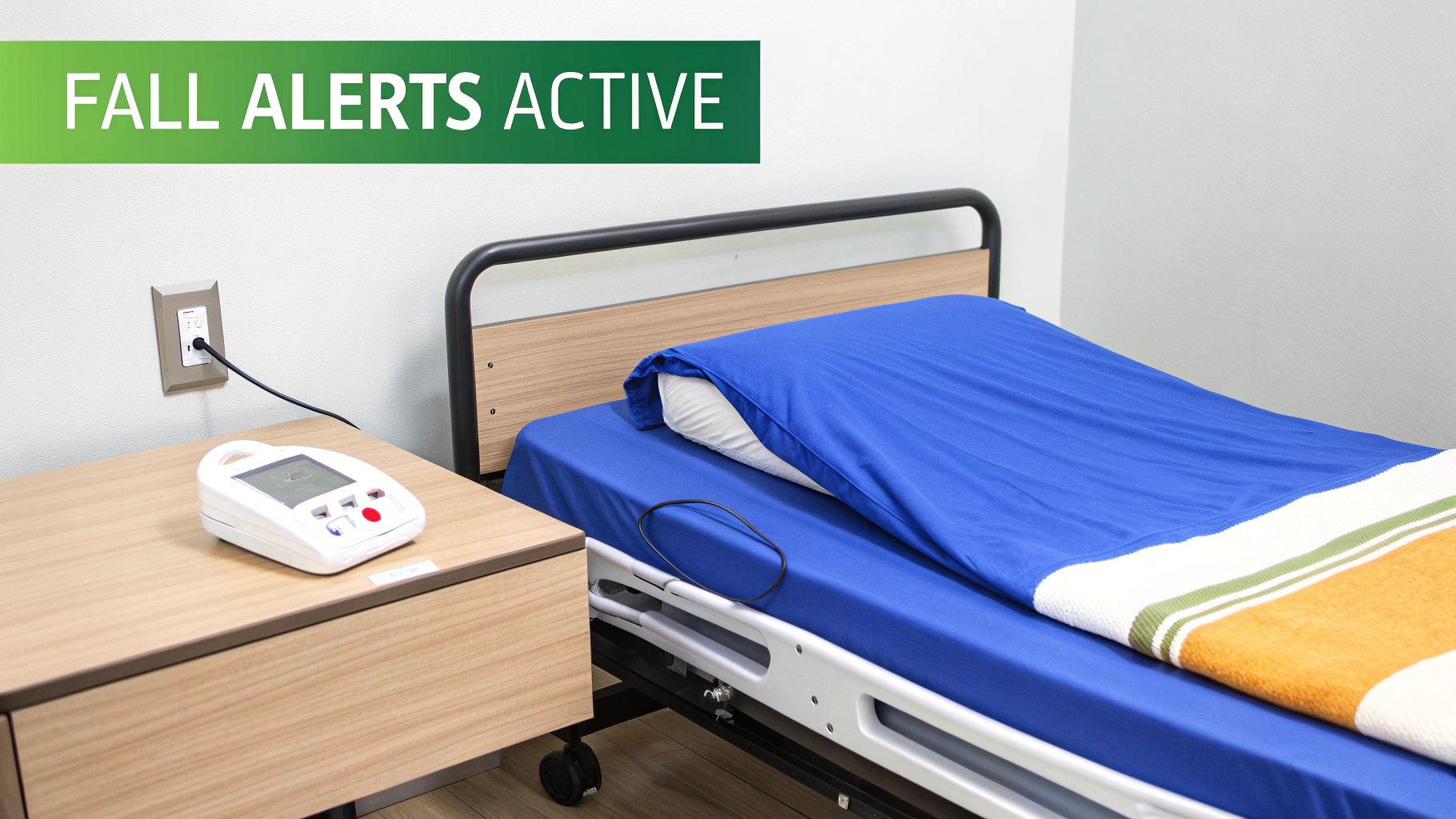
This intervention moves beyond simple observation to create a responsive safety net, utilizing tools ranging from pressure-sensitive alarms to wearable technology. These devices act as an extension of the nurse's vigilance, especially during times when direct supervision is not possible, like overnight.
How to Implement Fall Prevention Technology and Equipment
The key to successful implementation is matching the device to the patient's specific risk factors, cognitive status, and mobility level. A one-size-fits-all approach is ineffective; instead, a personalized strategy is required.
- Alarm Systems: Use bed or chair exit alarms that sound when a patient attempts to stand up unassisted. Pressure-sensitive floor mats placed beside the bed can also trigger an alert, giving staff time to intervene.
- Low-Profile Beds: Position the bed at its lowest height, often with a cushioned floor mat alongside it, to minimize the distance and impact of a potential fall.
- Wearable Devices: Equip high-risk patients with wearable fall detection devices that can automatically send an emergency alert. Non-slip socks or specialized footwear also provide better grip and stability.
- Protective Gear: For patients with a high risk of fracture, such as those with severe osteoporosis, hip protectors can be worn to cushion the impact of a fall and prevent serious injury.
Key Insight: The goal is not to restrain the patient but to enable safe movement. When choosing equipment, always start with the least restrictive option that effectively addresses the identified risk. For those at home, exploring a variety of top senior safety devices can provide families with effective, non-intrusive options to enhance safety and provide peace of mind.
By thoughtfully integrating these tools, nurses create a multi-layered safety system that protects patients around the clock. This proactive use of technology is a cornerstone of a comprehensive fall prevention plan, empowering both caregivers and patients.
7. Cognitive and Behavioral Interventions
Addressing cognitive impairments and associated behaviors is a critical nursing intervention for risk for falls, as conditions like dementia, delirium, and confusion directly impact a patient's judgment, safety awareness, and mobility. Patients with cognitive deficits are often unable to recognize environmental hazards or remember to use safety measures, making them highly susceptible to falling. This intervention focuses on creating a predictable, calming environment and using therapeutic communication to manage unsafe behaviors.
How to Implement Cognitive and Behavioral Strategies
The goal is to reduce confusion, agitation, and impulsive actions by promoting a sense of security and routine. This requires a patient-centered approach that adapts to the individual's cognitive baseline and specific behavioral triggers.
- Establish a Consistent Routine: Implement a structured daily schedule for waking, meals, activities, and bedtime. Predictability can significantly decrease anxiety and confusion for patients with dementia or delirium.
- Create a Calming Environment: Use familiar objects, family photos, and soft music to create a soothing atmosphere. Ensure consistent staff assignments to help build trust and rapport, which can reduce agitation.
- Utilize Reality Orientation and Validation: For patients with acute confusion, use reality orientation boards with the date, time, and location. For those with advanced dementia, validation therapy, which acknowledges their feelings and reality, is often more effective than reorienting them.
- Manage Unsafe Behaviors: Monitor for behavioral patterns and identify triggers for agitation or wandering. Redirect unsafe behaviors gently and offer structured, engaging activities like folding laundry or simple puzzles to provide purposeful engagement.
Key Insight: Delirium is often a reversible cause of falls and is frequently mistaken for dementia. Nurses should proactively screen for delirium using validated tools, especially in postoperative or acutely ill older adults, as prompt identification and treatment can rapidly restore baseline cognitive function and reduce fall risk.
By integrating these cognitive and behavioral strategies, nurses can create a safer, more therapeutic environment. This proactive management of a patient's mental state is a cornerstone of a holistic fall prevention plan, directly addressing the intrinsic risk factors that lead to falls.
8. Strength and Balance Training Programs
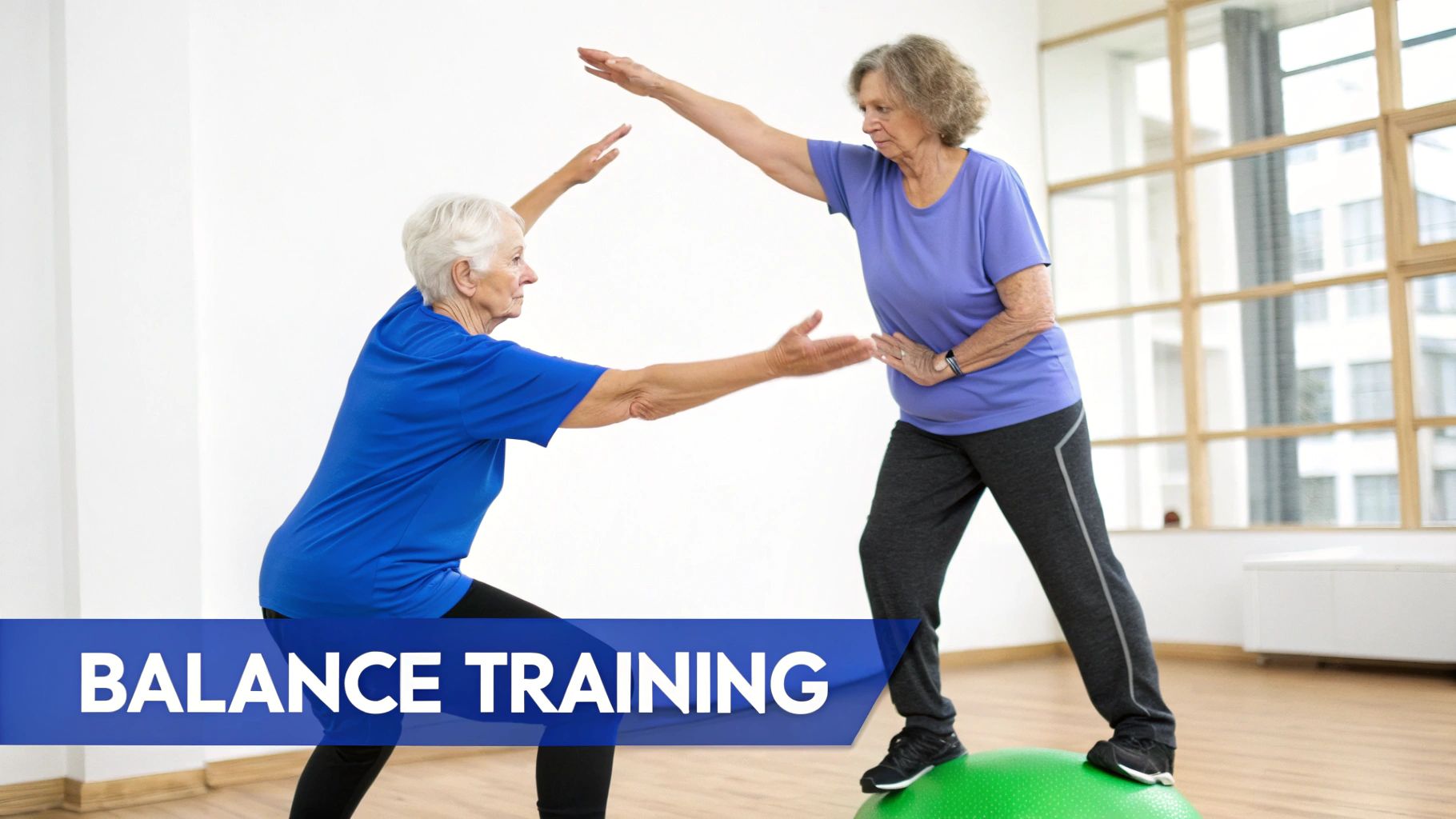
One of the most proactive nursing interventions for risk for falls is the implementation of structured exercise programs. Rather than simply reacting to mobility deficits, these programs actively work to improve a patient's intrinsic capabilities. By enhancing muscle strength, balance, coordination, and flexibility, nurses can directly address the physical weaknesses that often lead to falls, empowering patients with greater stability and confidence in their movements.
How to Implement Strength and Balance Training
The goal is to integrate safe, effective, and consistent physical activity into the patient's routine. This requires collaboration with physical therapists and physicians to create a personalized plan that matches the patient's abilities and health status. Evidence-based programs are essential for achieving measurable reductions in fall incidents.
- Evidence-Based Programs: Recommend proven regimens like Tai Chi, which has been shown to reduce fall risk by up to 50%, or structured physical therapy focusing on lower extremity strengthening and gait training.
- Gradual Progression: Always begin with a physician's clearance. Start with low-intensity exercises and gradually increase duration and difficulty as the patient’s strength improves. A vital component of fall prevention involves recommending effective low-impact strength training exercises that protect joints to build muscle without causing strain.
- Consistency and Safety: Emphasize the need for regular sessions, aiming for at least 3-4 times per week. Ensure exercises are performed in a safe environment, using stable chairs or rails for support as needed. Always include proper warm-up and cool-down periods.
- Encouragement and Monitoring: Provide positive reinforcement and track the patient’s progress to maintain motivation. Monitor vital signs and the patient's response to activity, adjusting the plan as necessary. For more ideas, explore these fall prevention exercises for seniors.
Key Insight: The most significant improvements are seen when exercise is consistent and tailored to the individual. Programs like the Otago Exercise Programme, developed specifically for older adults, demonstrate that even simple, home-based routines can dramatically reduce falls and related injuries when performed regularly.
By championing strength and balance training, nurses shift the focus from passive prevention to active patient empowerment. This intervention not only reduces fall risk but also enhances overall quality of life, mobility, and independence.
9. Patient and Family Education and Engagement
Empowering patients and their families with knowledge is a cornerstone of effective nursing interventions for risk for falls. When patients and their support systems understand specific risks and how to mitigate them, they transition from passive recipients of care to active partners in safety. This collaborative approach ensures that fall prevention strategies are consistently reinforced, both within a healthcare facility and upon discharge, creating a continuous culture of safety.
How to Implement Patient and Family Education
The goal is to provide clear, actionable information that empowers individuals to make safer choices. This process involves more than just handing out a pamphlet; it requires a tailored, interactive approach to ensure genuine understanding and engagement.
- Individualized Risk Discussion: Begin by clearly explaining the patient’s specific fall risk factors, such as postural hypotension, medication side effects, or gait instability. Frame the conversation around their personal health situation.
- Demonstrate Safe Practices: Use hands-on demonstrations for safe transfers (e.g., from bed to chair), proper use of mobility aids like walkers, and techniques for getting up from a fall. Video demonstrations can also be highly effective.
- Teach-Back Method: After explaining a concept, ask the patient or family member to explain it back in their own words or demonstrate a technique. This verifies comprehension and corrects misunderstandings immediately.
- Provide Clear Materials: Offer easy-to-read handouts, checklists, or brochures that summarize key safety tips. Ensure materials are available in the patient’s primary language and at an appropriate literacy level.
Key Insight: The most effective education links every piece of advice directly to the patient's personal goals, such as remaining independent at home or being able to walk to the garden. Framing safety as a tool for achieving what they value most dramatically increases buy-in and adherence.
By actively engaging patients and their families, nurses cultivate a vigilant and informed team. This shared responsibility not only reduces the immediate risk of falls but also builds long-term safety habits that promote patient autonomy and well-being.
10. Nursing Surveillance and Documentation
Effective fall prevention relies on systematic, ongoing observation and comprehensive documentation of patient activities, interventions, and responses. Nursing surveillance is a proactive and analytical process, not passive monitoring. It involves purposeful, regular patient checks, especially during high-risk times, and meticulous record-keeping of both actual fall events and near-misses. This creates a data-rich environment for continuous quality improvement.
How to Implement Surveillance and Documentation
The goal is to establish a culture of vigilance and accountability where every team member contributes to patient safety. This is achieved through structured rounding protocols and standardized documentation practices that capture meaningful data, moving beyond simple checklists.
- Purposeful Rounding: Implement hourly or bi-hourly rounds with specific prompts. Document the patient’s location, activity (e.g., sleeping, watching TV, attempting to stand), and any immediate needs. This is a key nursing intervention for risk for falls.
- High-Risk Observation: Increase surveillance frequency during shift changes, at night, and during post-procedure recovery when patients may be disoriented or weak. Note any changes in cognition, behavior, or mobility.
- Near-Miss Reporting: Document situations where a fall was prevented, such as a staff member catching a patient as they lost balance. These reports are invaluable for identifying and addressing latent system issues or individual risk factors before an injury occurs.
- Comprehensive Fall Reports: When a fall happens, documentation should go beyond the event itself. Include a root cause analysis exploring contributing factors like hypotension, new medications, or environmental hazards.
Key Insight: Shifting the focus from simply reacting to falls to proactively analyzing near-misses is transformative. A near-miss provides the same learning opportunities as an actual fall but without the patient harm. Fostering a non-punitive reporting culture is essential for capturing this critical data and improving care.
By treating documentation as an analytical tool rather than a chore, nurses can identify patterns, tailor interventions more effectively, and demonstrate the efficacy of their fall prevention strategies.
10-Point Comparison: Nursing Interventions for Risk of Falls
| Intervention | Implementation Complexity (🔄) | Resource Requirements (⚡) | Expected Outcomes (⭐📊) | Ideal Use Cases (💡) | Key Advantages (⭐) |
|---|---|---|---|---|---|
| Environmental Assessment and Modification | Moderate 🔄 — systematic audits + coordination | Moderate ⚡ — maintenance, minor capital for mods | ⭐📊 Reduces extrinsic hazards; sustained facility-wide safety gains | 💡 Facility upgrades, high-traffic areas, admission safety checks | ⭐ Cost‑effective prevention; benefits all residents |
| Fall Risk Assessment and Stratification | Moderate 🔄 — training and routine reassessments | Low–Moderate ⚡ — staff time, EHR documentation | ⭐📊 Identifies high‑risk patients; enables targeted interventions | 💡 On admission, post‑procedure, after med or status change | ⭐ Standardized, supports communication and QI |
| Medication Review and Management | Moderate–High 🔄 — multidisciplinary coordination | Moderate ⚡ — pharmacist input, monitoring, labs | ⭐📊 Reduces medication‑related falls and adverse events | 💡 Polypharmacy, recent med changes, older adults | ⭐ Addresses major modifiable intrinsic risk factor |
| Mobility Assistance and Supervision | High 🔄 — individualized, staff‑intensive care | High ⚡ — staffing, training, assistive devices | ⭐📊 Immediate fall prevention during transfers; maintains function | 💡 High‑risk transfers, post‑op, mobility‑limited patients | ⭐ Immediate protection and confidence support |
| Toileting and Continence Management | Moderate 🔄 — scheduling and behavioral strategies | Moderate ⚡ — staff time, supplies, bathroom mods | ⭐📊 Reduces bathroom‑related falls and nocturnal ambulation | 💡 Urgency/incontinence, nocturia, frequent toileting needs | ⭐ Targets a common high‑risk environment; preserves dignity |
| Use of Fall Prevention Devices and Equipment | Low–Moderate 🔄 — selection, setup, and maintenance | Variable ⚡ — low‑cost aids to expensive sensors | ⭐📊 Continuous monitoring; can reduce injuries and alert staff | 💡 Patients with limited supervision or wandering risk | ⭐ Scalable tech reduces staff burden; injury mitigation |
| Cognitive and Behavioral Interventions | High 🔄 — specialized programs and monitoring | Moderate–High ⚡ — trained staff, program time | ⭐📊 Reduces behavior‑driven falls; improves cognition and wellbeing | 💡 Dementia, delirium, agitation‑related fall risk | ⭐ Addresses root cognitive causes; may reduce restraints |
| Strength and Balance Training Programs | Moderate 🔄 — program design and progression | Moderate ⚡ — therapists/instructors, space, adherence support | ⭐📊 Improves strength/balance; proven fall reduction over time | 💡 Community‑dwelling elders, rehab and preventative programs | ⭐ Long‑term reduction in falls; improves function/confidence |
| Patient and Family Education and Engagement | Low–Moderate 🔄 — tailored teaching and follow‑up | Low ⚡ — educational materials, staff teaching time | ⭐📊 Increases awareness and adherence; supports safe transitions | 💡 Discharge planning, caregiver training, motivated patients | ⭐ Empowers partners in prevention; enhances continuity of care |
| Nursing Surveillance and Documentation | Moderate–High 🔄 — continuous rounds, reporting, analysis | High ⚡ — staff time, EHR tools, reporting systems | ⭐📊 Early intervention; data for QI, trend detection, accountability | 💡 Inpatient units, high‑acuity wards, QI initiatives | ⭐ Identifies patterns and near‑misses; supports corrective action |
Integrating Interventions into a Cohesive Safety Plan
Preventing falls is not a task to be completed once, but a continuous, dynamic process of protection. The ten core nursing interventions for risk for falls detailed in this guide, from initial risk assessment to diligent documentation, are not standalone solutions. Instead, they represent individual threads that, when woven together, create a comprehensive and resilient safety net tailored to the unique needs of each patient. The true power of these strategies is unleashed when they are integrated into a cohesive, living care plan.
This integrated approach shifts the focus from a reactive, post-fall response to a proactive culture of prevention. It recognizes that a patient's risk is not static; it changes with their health status, medication regimen, and even their emotional state. A truly effective fall prevention plan is therefore a fluid document, continuously informed by vigilant nursing surveillance and open communication.
From Checklist to Holistic Care
The most significant takeaway is the necessity of moving beyond a simple checklist mentality. While environmental modifications and mobility aids are critical, they are far more effective when combined with a thorough medication review, a structured toileting schedule, and targeted strength training. Each intervention reinforces the others, creating a layered defense against fall risks.
For instance, a patient receiving education on safe mobility (Intervention #9) is better equipped to use a walker correctly, which was identified as necessary during their mobility assessment (Intervention #4). This is further supported by ensuring their environment is free of clutter (Intervention #1) and their medications are not causing dizziness (Intervention #3). This synergy is the cornerstone of successful fall prevention.
The goal is not just to implement interventions, but to orchestrate them. A successful plan harmonizes environmental safety, clinical management, and patient empowerment to create a truly safe space for seniors, whether in a facility or at home.
Actionable Next Steps for Healthcare Professionals and Families
Mastering these concepts transforms care from task-oriented to patient-centered. It empowers nurses, caregivers, and families to anticipate needs, mitigate hazards, and foster a genuine partnership in safety. For those providing or coordinating care, the immediate next steps are clear:
- Re-evaluate Current Plans: Use the ten interventions as a framework to audit existing fall prevention strategies. Are there gaps? Is the plan truly personalized, or is it a one-size-fits-all template?
- Champion Interdisciplinary Collaboration: Schedule a dedicated meeting with physical therapists, pharmacists, physicians, and other team members to review high-risk patients. A coordinated approach ensures all perspectives contribute to the patient's safety.
- Empower Through Education: Make patient and family education an active, ongoing dialogue. Move beyond handing out a pamphlet to demonstrating techniques, asking for teach-back confirmation, and setting shared safety goals.
Ultimately, the consistent application of these nursing interventions for risk for falls does more than just prevent physical injury. It preserves independence, reduces fear, and enhances the overall quality of life for the individuals we serve. By committing to this integrated, vigilant, and compassionate approach, we provide our patients and loved ones with the greatest gift: the confidence to navigate their world safely and securely. This dedication to proactive, holistic care is the ultimate standard in patient safety.
Are you looking for professional, compassionate in-home support to implement these fall prevention strategies for a loved one in New Jersey? The dedicated caregivers at NJ Caregiving are trained to create safe home environments and provide the personalized assistance seniors need to thrive independently. Visit NJ Caregiving to learn how we can help you build a comprehensive safety plan at home.
