
When you hear the term "in-home personal care," what comes to mind? For many families, it’s the key to helping an older loved one live safely and comfortably right where they want to be: at home.
This isn’t about medical treatment. Instead, it’s about providing caring, hands-on support with the essential tasks of daily life—what we call Activities of Daily Living (ADLs). Think bathing, getting dressed, or having a nutritious meal prepared. It's a compassionate solution designed to uphold independence and make each day better.
Empowering Independence at Home
For so many New Jersey families, the ultimate goal is helping their loved ones stay in their cherished homes for as long as possible. This idea, known as aging in place, is the real heart and soul of in-home personal care. It’s about so much more than just convenience—it's about protecting a person's dignity, comfort, and connection to a place filled with a lifetime of memories.
Try to picture a professional caregiver not as a stranger, but as a supportive partner in your loved one’s daily rhythm. Their job is to fill the gap between what someone can still do for themselves and where they need a helping hand to stay safe and healthy. This one-on-one approach is a world away from the rigid, institutional feel of many residential facilities.
What Does Personal Care Actually Involve?
The core of this service really boils down to help with those Activities of Daily Living, or ADLs. These are the fundamental, everyday tasks we all need to manage to take care of ourselves. A caregiver’s assistance ensures these needs are met with respect and kindness, preventing the stress and risks of trying to manage alone.
Some of the most common ADLs a caregiver helps with include:
- Personal Hygiene: Assisting with a bath or shower, grooming, and oral care.
- Dressing and Undressing: Helping choose outfits and providing physical support with getting dressed.
- Meal Preparation: Planning and cooking healthy meals that fit specific dietary needs.
- Mobility Assistance: Helping a person move safely around the house, get out of bed, or transfer to a chair to prevent falls.
- Toileting and Incontinence Care: Providing discreet, dignified help with sensitive personal needs.
At its core, personal care is about giving someone the confidence to get through their day. It’s the small, consistent acts of support that make a huge difference in helping a person feel self-sufficient.
This hands-on support comes from trained professionals who truly understand the nuances of caring for older adults. If you want a closer look at the compassionate people who do this work, you can learn more about what a personal care aide is and the vital role they play.
Ultimately, in-home personal care services are proof that getting older doesn’t have to mean giving up your home. It's a humane, effective choice that puts the well-being and happiness of your loved one first, allowing them to thrive in the place they know and love. By bringing support directly to them, you can rest easier knowing they have the dedicated attention they deserve.
The Full Spectrum of In-Home Care Available in NJ
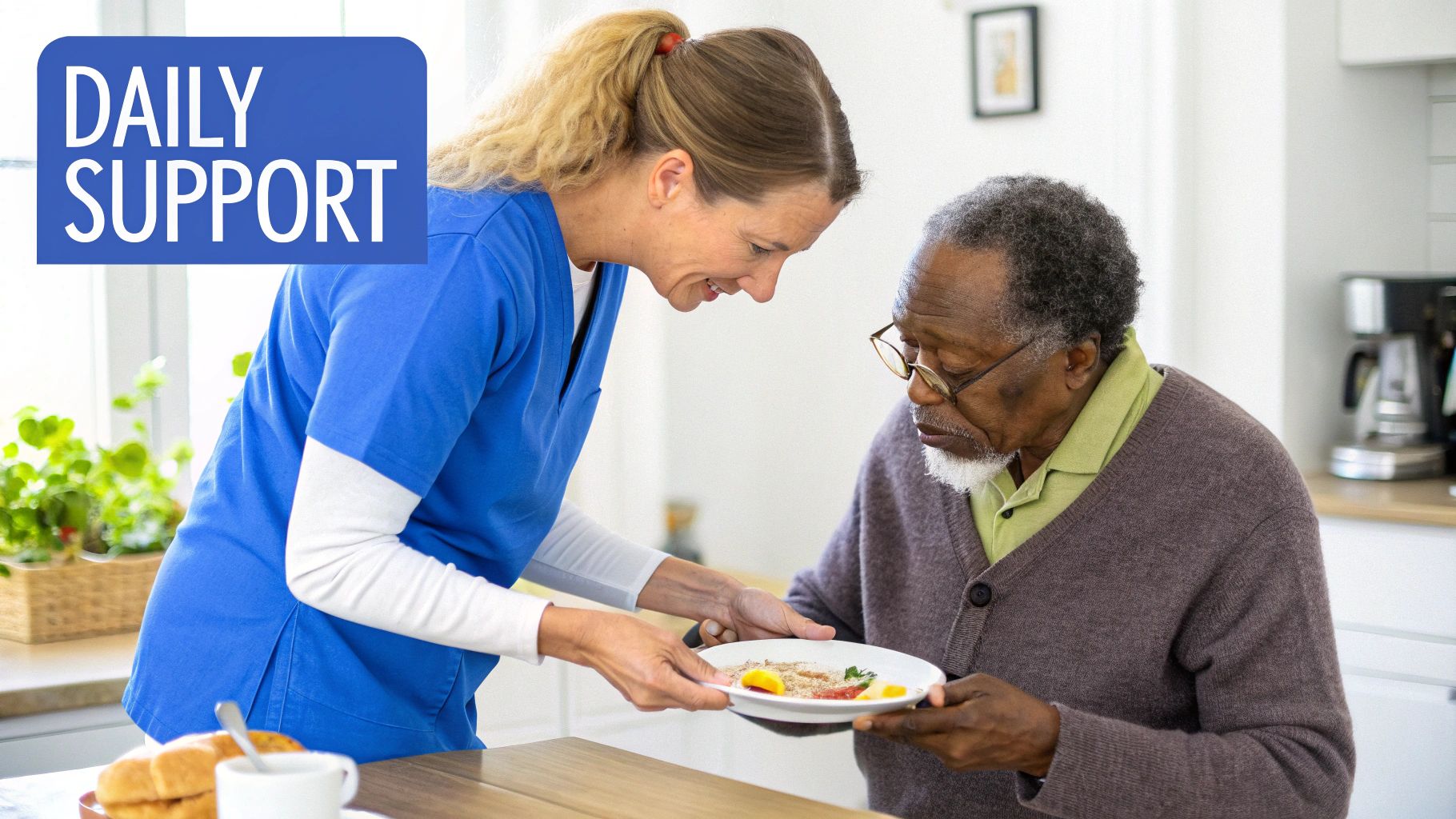
When New Jersey families start looking into care options, it’s easy to get overwhelmed by all the different terms. "In-home care" is a big umbrella, covering everything from friendly visits to complex medical support. Getting a handle on these differences is the first step to finding the right help for your family.
Think of it this way: sometimes you just need a friendly driver to get you across town (that’s companionship), and other times you need a licensed mechanic to work on the engine (that’s skilled nursing). Both are incredibly helpful, but they solve completely different problems.
Most families find their needs fall under in-home personal care services, which are non-medical. This type of care is all about helping with the daily routines of life—the Activities of Daily Living (ADLs)—and providing a safe, supportive presence at home.
Non-Medical Personal Care Services Explained
This is the cornerstone of aging in place successfully. It's about providing the practical, hands-on help that allows someone to go about their day with dignity. At NJ Caregiving, our professional caregivers tailor these services to fit exactly what's needed.
For instance, a senior with arthritis might find it tough to button a shirt or feel unsteady getting out of the shower. A caregiver can provide just the right amount of physical support to make that morning routine safe and stress-free. In another home, a caregiver might be preparing nutritious meals for someone with diabetes, making sure they stick to their specific dietary plan without the hassle.
Some of the most common non-medical services include:
- Companionship and Emotional Support: Simply being there to chat, play a card game, or offer a comforting presence to ward off loneliness.
- Hygiene and Grooming Assistance: Helping with bathing, dressing, and other personal routines that are vital for health and self-esteem.
- Mobility and Transfer Support: Assisting with moving around the house, like from a bed to a wheelchair, which dramatically reduces the risk of falls.
- Meal Planning and Preparation: Cooking healthy, delicious meals that cater to specific dietary needs and personal tastes.
- Medication Reminders: Making sure medications are taken at the right time, as prescribed (it's important to note: caregivers remind, they don't administer).
- Light Housekeeping and Transportation: Pitching in with laundry, keeping living spaces tidy, and providing rides to doctor's appointments or the grocery store.
The real goal of personal care is empowerment. It’s about bridging the gap between what a person can still do for themselves and what has become a challenge, letting them stay in control of their lives in the home they love.
The Critical Difference: Skilled Nursing Care
On the other side of the spectrum is skilled nursing care. This is medical care, plain and simple. It has to be ordered by a doctor and is carried out by a licensed nurse, like a Registered Nurse (RN) or Licensed Practical Nurse (LPN). These services are for individuals with medical conditions that require clinical treatment and monitoring right at home.
This distinction isn't just a detail—it's crucial for safety and legal reasons. A personal care aide is not trained or certified to perform medical tasks. The Home Health Care Services segment is projected to grab the biggest market share at 35.1% by 2025, largely because modern technology allows for sophisticated medical care, like wound treatment or infusion therapy, to happen at home. You can read more about the growing home care market to see how things are evolving.
To make this crystal clear, let’s break down the key differences between these two essential types of care.
Personal Care vs. Skilled Nursing: What Is the Difference?
Here's a straightforward comparison to help you see the distinct roles each type of care plays.
| Service Aspect | In-Home Personal Care (Non-Medical) | Skilled Home Nursing Care (Medical) |
|---|---|---|
| Provider | Certified Home Health Aide (CHHA) or Personal Care Aide (PCA) | Registered Nurse (RN) or Licensed Practical Nurse (LPN) |
| Primary Goal | Support daily living, ensure safety, provide companionship | Treat illness or injury, manage medical conditions, administer medication |
| Key Services | Bathing, dressing, meal prep, mobility help, medication reminders | Wound care, injections, IV therapy, catheter management, medical monitoring |
| Requirement | No doctor's order needed | Must be prescribed by a physician |
Knowing this difference is key. It helps families pinpoint the exact level of in-home personal care services they need, ensuring their loved one gets safe, appropriate, and effective support right in the comfort of their New Jersey home.
The Powerful Benefits of Aging in Place
Choosing to age in place isn't just a practical decision—it's a choice that deeply impacts a person's entire well-being. It’s about honoring their wish to stay in the home they love, surrounded by a lifetime of memories and a true sense of belonging. Honestly, the emotional and mental health perks are often the most immediate and powerful.
Staying in familiar surroundings offers a profound sense of security and stability that a new environment just can't match. This consistency helps dial down the anxiety and confusion that often come with moving into a facility, especially for anyone dealing with memory issues. Simply being able to control your own space—deciding when to get up, what you want for lunch, and how to spend your afternoon—is a huge affirmation of independence.
When you help someone stay home, you're protecting their autonomy. This preservation of choice and routine is fundamental to maintaining a strong sense of self-worth and dignity.
Enhancing Physical Health and Safety
The health benefits of aging at home are just as compelling. One of the biggest advantages is the reduced exposure to infections. By their very nature, group living settings can increase the risk of catching illnesses like the flu or pneumonia. One-on-one care at home creates a much safer, more controlled environment.
Plus, the personalized attention that comes with in-home personal care services leads directly to better health outcomes. A dedicated caregiver gets to know a client’s daily routines, health fluctuations, and personal preferences inside and out. This close relationship means they’re far more likely to spot subtle changes—like a shift in appetite or mobility—that could signal a developing health issue, allowing for much earlier intervention.
- Tailored Nutrition: Meals are prepared specifically for an individual's dietary needs and tastes, which is a game-changer for their health.
- Fall Prevention: A caregiver can help modify the home for safety and offer direct support with mobility, significantly lowering the risk of dangerous falls.
- Consistent Routines: A stable daily schedule for medication, meals, and rest helps manage chronic conditions much more effectively.
Maintaining Vital Social Connections
Loneliness is a major health risk for seniors, linked to everything from depression to cognitive decline. Aging in place allows people to hold onto their established social networks and community ties. They can keep visiting with neighbors, going to local clubs, or having family drop by whenever they like, preserving the relationships that bring them joy.
A caregiver also provides critical companionship, offering a friendly face and a listening ear. This daily social interaction is a powerful antidote to isolation and provides mental stimulation, all of which adds up to a much higher quality of life. The home care industry reflects this growing preference, with revenues expected to hit $155.9 billion by 2025 as more families seek out personalized, in-home support.
To get a clearer picture of how to best support a loved one at home, it can be helpful to explore comprehensive fitness assessments for seniors. When you add it all up, the benefits create a powerful argument for choosing home-based care. It's an investment in happiness, health, and dignity, allowing your loved one to live life on their own terms, safely and comfortably.
Navigating Care Costs and Payment Options in New Jersey
Let's talk about one of the biggest questions on every family's mind when exploring in home personal care services: How much does it cost, and how can we pay for it? It’s a crucial conversation, and understanding the financial side is the first step toward creating a sustainable plan for a loved one.
There isn't a single, one-size-fits-all price tag for care here in New Jersey. The cost really depends on your family's specific situation. Think of it like a custom plan—it’s built around the actual need. Key factors like the number of hours of care needed each week and the specific types of support required will shape the final cost. Someone who needs round-the-clock companionship will have a different financial picture than someone who just needs a hand for a few hours each morning.
Understanding Your Payment Avenues
The good news is that New Jersey families have several ways to fund in-home care. You don't have to feel like high-quality support is out of reach. Most families find that a mix of different resources creates the best financial strategy for the long run.
Here are the most common paths families take:
- Private Pay: This is the most straightforward option, using personal funds like savings, pensions, or retirement accounts to cover care costs directly. It offers the greatest flexibility and control over choosing services and providers.
- Long-Term Care Insurance: For those who planned ahead with a long-term care policy, this can be an incredible asset. These insurance plans are designed specifically to cover services like in-home personal care, taking a huge weight off the family's shoulders.
- Government Programs: For many, state and federal programs are a lifeline. Medicaid, in particular, provides essential financial help to eligible seniors, making sure care is accessible even when personal funds are limited.
As you think about the future, you might also look into strategies for protecting assets from long-term care expenses. While this resource is based in Texas, the core financial planning principles are valuable for families everywhere.
This visual decision tree really captures the "why" behind this investment—the powerful benefits that families consider when choosing to help a loved one age in place.
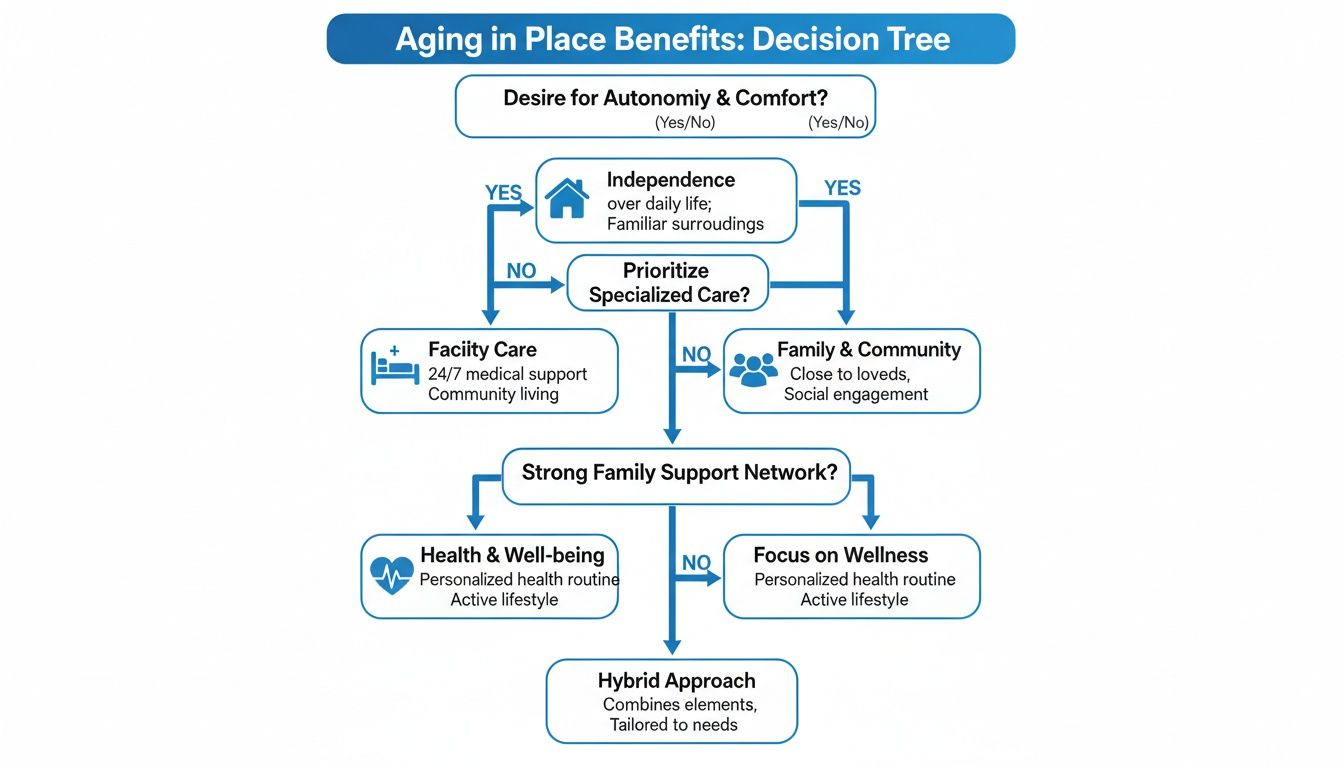
From preserving precious independence to keeping family bonds strong, these motivations are at the heart of the decision-making process for so many.
A Closer Look at New Jersey Medicaid
For a lot of families in our state, New Jersey's Medicaid program is the key to making in-home care possible. The specific program you’ll want to know about is called Managed Long-Term Services and Supports (MLTSS). Its entire purpose is to help eligible seniors and people with disabilities get the care they need right in their own homes, instead of having to move into a facility.
The whole goal of MLTSS is to empower people to live with dignity where they are most comfortable. The program covers a surprisingly wide range of services, from personal care assistance and respite for family caregivers to home modifications that improve safety.
Diving into programs like MLTSS can feel overwhelming, but you don't have to figure it all out on your own. This financial assistance can be truly life-changing, allowing your loved one to get the daily support they need without draining the family’s savings.
To qualify for MLTSS, a person has to meet both financial and medical requirements. A medical assessment must determine they need a "nursing facility level of care," even if they will be receiving it at home. On the financial side, they must meet the income and asset limits set by the state.
The application process can feel a bit tangled, with lots of paperwork and specific steps to follow. To make it clearer, we put together a guide on the different options available. You can learn more about our https://njcaregiving.com/nj-medicaid-waiver-programs/ and how they can help cover the costs of in home personal care services. With the right information, you can find a payment solution that brings peace of mind and ensures your loved one gets the amazing care they deserve.
How to Choose the Right In Home Care Provider in NJ
Choosing a provider for in home personal care services is one of the biggest decisions your family will make. This isn’t just about finding help; it’s about inviting a skilled, compassionate professional into your loved one’s home and life. The right agency becomes a trusted partner, so it’s worth taking your time to get it right.
Think of it like hiring a key member of your family’s support team. You wouldn’t rush it. You’d be thorough, ask plenty of questions, and make sure the fit is perfect—not just in skill, but in personality, too.
More and more families are making this choice as aging in place becomes the preferred option. The global demand for home care is exploding, projected to grow from USD 596.8 billion in 2025 to an astounding USD 1.6 trillion by 2035. You can discover more insights about this growing demand and see why finding a high-quality provider has never been more critical.
Verifying the Essentials First
Before you even begin comparing services, there are a few non-negotiables to check off the list. These foundational checks ensure any New Jersey agency you consider is operating legally, safely, and professionally. Getting these basics right protects your family from the very start.
Make sure to ask for proof of:
- State Licensing and Accreditation: Any reputable agency must be licensed by the New Jersey Division of Consumer Affairs. This is your guarantee that they meet the state's minimum standards.
- Comprehensive Insurance: The agency needs to carry liability insurance. This protects you and your loved one if an accident or unexpected issue occurs.
- Bonding for Caregivers: Ask if their caregivers are bonded. This provides an extra layer of security, protecting you against potential theft or property damage.
Verifying these credentials isn’t just about ticking boxes. It’s about establishing a baseline of trust and professionalism that must exist before you can even consider a partnership.
Evaluating Caregiver Screening and Training
Once you've confirmed an agency's credentials, it's time to focus on the people who will be providing the hands-on care. An agency is only as good as its caregivers, and a great one invests heavily in finding, vetting, and continuously training the best people for the job.
You need to know exactly how they build their team. This transparency is crucial for your peace of mind. For a deeper look at what to ask, check out our guide on how to choose a home care agency.
In the meantime, start with these critical questions:
- What does your screening process include? Look for agencies with multi-step processes that include thorough background checks, reference verifications, and in-person interviews.
- What training and certifications do your caregivers have? In New Jersey, caregivers should be Certified Home Health Aides (CHHAs). It's also a great sign if they provide ongoing training for specialized skills like dementia care or fall prevention.
- How do you match caregivers with clients? The best agencies don't just send the next available person. They take the time to consider personality, specific skills, and your loved one's preferences to find the right fit.
Understanding the Care Planning Process
Finally, you need a clear picture of how the agency will work with your family to create and manage the care plan. This shouldn't be a generic template. It needs to be a living document, personalized to your loved one’s specific situation and flexible enough to adapt as their needs evolve.
A collaborative approach is the hallmark of excellent in home personal care services. Ask them, "What's your protocol if a caregiver is sick and can't make a shift?" and "How often do you reassess the care plan?" Their answers will tell you a lot about their reliability and commitment to providing consistent, quality care that truly supports your family.
Getting Started with In-Home Care: A Simple Checklist
Taking that first step toward professional care can feel like a huge undertaking, but it doesn't have to be overwhelming. When you break the process down into simple, manageable steps, you can move forward with confidence and know exactly what to expect.
Think of this as your roadmap, guiding you from your very first questions to the first day of care. The whole journey is designed to be collaborative and reassuring, built around understanding what your family truly needs and creating a support system that fits just right.
Step 1: The Initial Conversation
It all starts with a simple phone call or message. This first chat is a no-pressure, no-obligation opportunity for you to share your story and for us to listen. You can explain your loved one's situation, ask all your initial questions about in-home personal care services, and just get a feel for how we can help.
We'll cover the basics, talk about general costs, and answer any immediate concerns you might have. Our only goal here is to give you the clarity you need to decide if you want to take the next step.
Step 2: The In-Home Assessment
If you're comfortable moving forward, we’ll schedule a comprehensive in-home assessment. This is where we really get to know you and your loved one. A care coordinator will visit the home to see the living environment firsthand and have a detailed conversation about your loved one’s specific needs.
This isn’t just a clinical checklist. It's a warm, personal conversation that covers:
- Personal Care Needs: Which specific Activities of Daily Living (ADLs) are becoming a challenge?
- Health and Medical History: Are there any conditions or mobility issues we should be aware of?
- Personality and Preferences: What are their hobbies, interests, and daily routines? What makes them happy?
- Home Safety: Are there any potential fall hazards or areas that might need a small modification?
This assessment is the cornerstone of great care. It ensures that the plan we build is not just effective but is also deeply respectful of your loved one's individuality and lifestyle.
Step 3: Developing a Personalized Care Plan
With all the information from the assessment, we get to work crafting a detailed and completely personalized Care Plan. This document is the blueprint for your caregiver, outlining everything from the daily schedule and meal preferences to specific mobility support techniques and medication reminders.
You'll review this plan with our team to make sure every detail is perfect and that you're completely comfortable with the support we’ve proposed. It’s a living document that can—and should—be adjusted anytime as needs change.
Step 4: Meeting Your Caregiver
The final step is introducing you to the caregiver we've carefully selected based on skill, experience, and, just as importantly, a personality match. We truly believe the relationship between a client and a caregiver is vital, so we put a lot of thought into finding the right fit. This meeting gives everyone a chance to get acquainted and feel comfortable before services officially begin.
Ready to take that first step? Contact NJ Caregiving today for a free, no-obligation consultation. Let us show you how simple and reassuring arranging quality care can be.
Still Have Questions? We Have Answers.
Thinking about in-home personal care is a big step, and it’s completely normal to have a few lingering questions. Even after you’ve done your research, the practical, day-to-day details are what really matter.
Let's walk through some of the most common questions we hear from families right here in New Jersey. We want you to have all the pieces of the puzzle so you can move forward with total confidence.
How Quickly Can We Get Started?
This is often the first thing families ask, especially when a loved one is coming home from the hospital and you need support—fast. In most situations, we can get things moving very quickly.
Once you call us, we can typically schedule an in-home assessment within 24 to 48 hours. This meeting is where we'll build a personalized care plan and find the perfect caregiver match. We know that care needs don't wait, and our team is built to respond with the urgency your family deserves.
What Happens If Our Caregiver Is Sick or Has an Emergency?
Reliability is everything. You need to know, without a doubt, that your loved one will be cared for. That's why working with a professional agency is so important—we have a backup plan for the unexpected.
If your primary caregiver is ever ill or unavailable, we immediately arrange for a fully qualified substitute to step in. There will never be a gap in coverage. All our caregivers are trained to the same high standards and have access to the care plan, ensuring the transition is seamless for your loved one and stress-free for you.
The true value of a professional agency lies in its ability to guarantee consistent, uninterrupted care. You should never be left scrambling to find a last-minute replacement on your own.
Can We Change the Care Schedule If Our Needs Change?
Absolutely. Life isn't static, and your care plan shouldn't be either. Flexibility is a cornerstone of great in-home personal care. Whether your loved one's needs increase, you want to adjust visit times, or you need to add a new service, the process is simple.
Just give our care coordination team a call. We’ll work with you to update the plan and schedule to fit your family's new reality. Our goal is to provide support that grows and adapts right alongside you.
Is In-Home Care Just for Seniors?
While many of our clients are older adults, our services are designed for anyone who needs a helping hand to live safely and independently at home. Age is just a number; need is what matters.
We regularly support:
- Individuals recovering at home after a surgery or major illness.
- Adults with disabilities who need support to maintain their independence.
- People managing chronic conditions that require ongoing assistance.
Are you ready to find compassionate, reliable support for your loved one in New Jersey? The team at NJ Caregiving is here to answer any other questions you have and help you create a personalized care plan that brings you peace of mind.
Learn more and schedule your free consultation at https://njcaregiving.com.
