

Managing diabetes in older adults isn’t just about tracking numbers. It's about a highly personalized approach that respects the unique health landscape that comes with aging. For seniors, effective diabetes management means shifting the focus away from aggressive glucose control and toward prioritizing safety, stability, and overall quality of life.
This means creating a supportive, adaptable environment that truly serves their changing needs.
Understanding the Unique Challenges of Senior Diabetes

Think of it like this: managing diabetes in an older adult is a bit like maintaining a classic car. A brand-new sports car can handle aggressive driving and just needs basic upkeep. A vintage car, however, requires a much gentler touch, specialized fuel, and careful attention to its unique mechanics to keep it running smoothly and safely.
The standard, aggressive treatment plans designed for younger adults often miss the mark for seniors for the same reason. The body simply works differently than it used to.
For instance, reduced kidney function can change how diabetes medications are processed, raising the risk of side effects. Throw in other health conditions common with age, like heart disease or arthritis, and the picture gets even more complicated.
The Impact of Geriatric Syndromes
One of the biggest hurdles in senior diabetes care is the presence of geriatric syndromes. These are common health issues in older adults that don't fit neatly into specific disease categories but have a huge impact on daily life.
Any good diabetes plan for an older adult has to account for:
- Frailty: This increased vulnerability means that recovering from a minor illness or a blood sugar swing is much harder.
- Risk of Falls: A sudden drop in blood sugar (hypoglycemia) can cause dizziness or confusion, which can directly lead to a dangerous fall and serious fractures.
- Cognitive Shifts: Memory issues can make it tough to remember to take medications, check blood sugar, or stick to a specific diet.
These factors are all tangled together. Forgetting to eat after taking insulin could cause hypoglycemia, which in turn could lead to a fall. This is exactly why a one-size-fits-all approach isn’t just ineffective—it can be downright dangerous.
The goal of care fundamentally shifts. Instead of chasing a perfect blood sugar number, the priority becomes preventing immediate risks like severe hypoglycemia and maintaining the person's ability to live a comfortable, fulfilling life.
When managing diabetes, the goals and methods that work for a 40-year-old are often inappropriate and even risky for an 80-year-old. The following table breaks down these critical differences in approach.
Key Differences in Diabetes Management: Younger vs. Older Adults
| Management Aspect | Focus for Younger Adults | Focus for Older Adults |
|---|---|---|
| A1C Goal | Strict control (often <7.0%) to prevent long-term complications. | More lenient goals (often 7.5%-8.5%) to avoid hypoglycemia. |
| Primary Concern | Preventing long-term organ damage (eyes, kidneys, nerves). | Preventing immediate risks like falls, confusion, and hospitalizations. |
| Medication Choice | Aggressive medication regimens, including complex insulin schedules. | Simpler medication plans with a lower risk of side effects. |
| Dietary Approach | Detailed carb counting and strict meal planning. | Simplified, consistent meal plans focused on nutrition and enjoyment. |
| Hypoglycemia Risk | A known risk to be managed. | A major, immediate danger to be avoided at all costs. |
| Quality of Life | A long-term consideration. | The primary, immediate goal of the entire care plan. |
Ultimately, the focus moves from a long-term, preventative strategy to one centered on immediate safety and well-being.
A New Philosophy of Care
This reality has led to a major shift in clinical recommendations. In the United States, about one-third of people over 65 live with diabetes, and they face much higher risks from these geriatric syndromes.
Recognizing this, the American Diabetes Association (ADA) now recommends more relaxed A1C targets—often between 7.5% and 8.0%—for many older adults. The priority is safety above all else. You can explore these recommendations on managing diabetes in older adults for a deeper understanding.
This philosophy of prioritizing safety and quality of life is the very foundation of effective in-home care. It's about building a supportive plan that helps seniors navigate their health with dignity and confidence, ensuring their diabetes management plan serves them, not the other way around.
Mastering Daily Care for Seniors with Diabetes
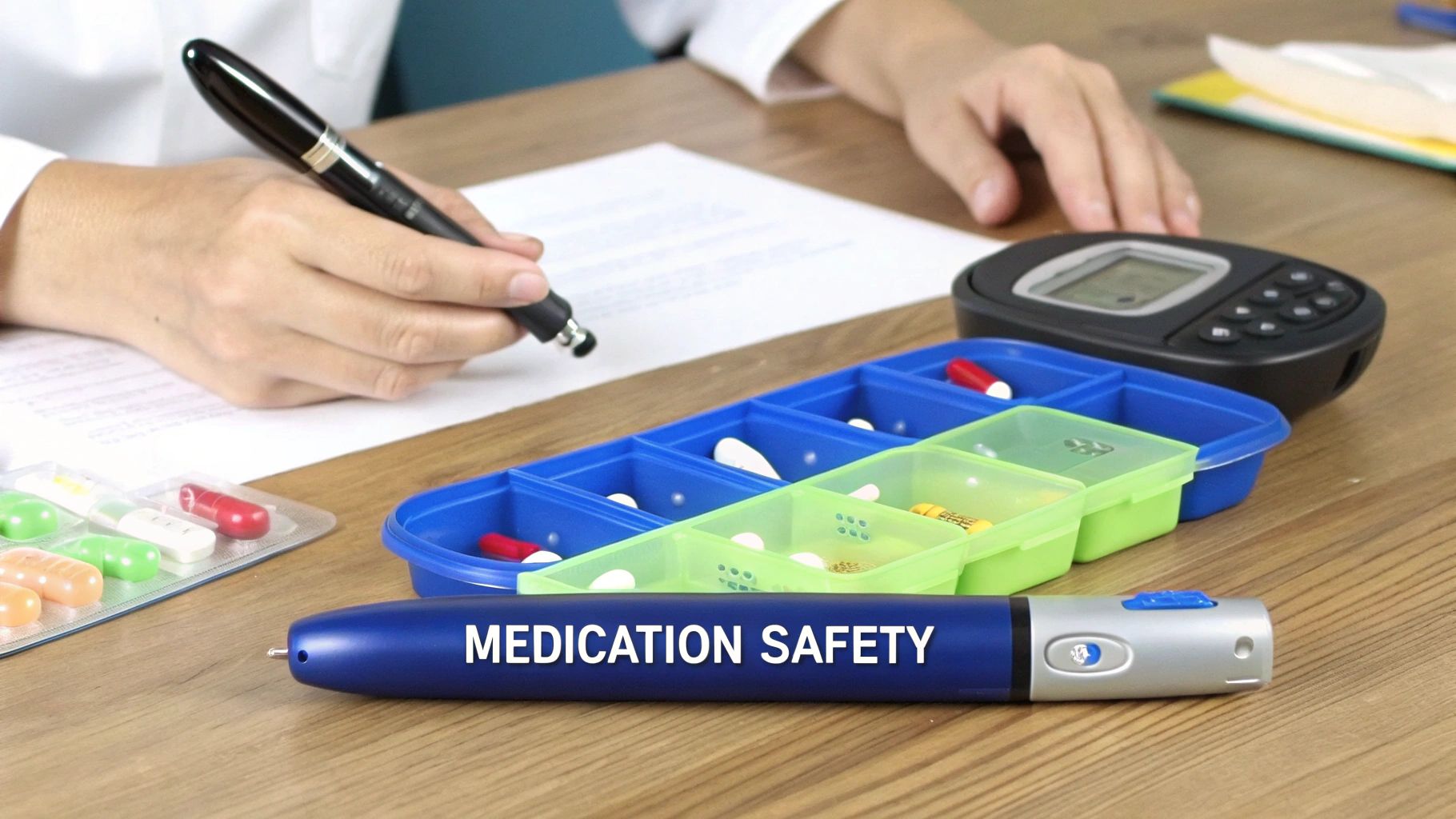
Managing diabetes day in and day out really comes down to building a consistent, predictable routine. Think of it as a steady rhythm that keeps everything in balance, turning tasks that might feel overwhelming into simple, manageable habits. It’s not about chasing perfection—it’s about creating a framework that brings safety, stability, and peace of mind.
The two most important pillars of this daily framework are keeping a close watch on blood glucose and carefully managing medications. When you get these two things right, you build a powerful defense against complications and give an older adult the confidence they need to stay in control of their health.
Modernizing Blood Glucose Monitoring
Regularly checking blood sugar is a lot like glancing at the gauges on your car’s dashboard. It gives you the critical information you need to spot trouble before it starts. But for many seniors, the old-school finger-prick method can be painful and physically difficult, especially with arthritis or poor vision. Plus, it only gives you a single snapshot in time.
Thankfully, technology has given us a much better way. Continuous Glucose Monitors (CGMs) are small, wearable sensors that track glucose levels 24/7. Instead of a single snapshot, you get a full-motion picture of blood sugar trends, making it far easier to see patterns and head off dangerous lows before they happen.
For an older adult, avoiding even one episode of severe hypoglycemia (low blood sugar) can mean the difference between a normal day and an emergency room visit. CGMs are an absolute game-changer here, acting like an early warning system.
Recent studies back this up. Research from the American Diabetes Association shows that when adults over 60 use a CGM, they significantly cut their risk of hypoglycemia and keep their A1C levels more stable. By predicting lows, these devices are crucial for preventing falls and other emergencies, which is a huge relief for seniors living at home.
Navigating Medication and Insulin Schedules
Many seniors aren’t just managing diabetes; they’re often juggling multiple health conditions and a complex list of daily medications. This situation, known as polypharmacy, can feel like a lot to handle. Adding diabetes pills or insulin injections to the mix raises the risk of mistakes, like a missed dose or taking the wrong pill at the wrong time.
A rock-solid medication routine is simply non-negotiable. It’s the key to preventing dangerous swings in blood sugar.
Simple Organizational Tips for Medication Safety:
- Use a Pill Organizer: A weekly or monthly pillbox with compartments for each day and time (morning, noon, evening) is an essential tool.
- Create a Master List: Keep one updated list of every medication, its dosage, and why it’s being taken. Share it with all doctors and family members.
- Set Alarms: A simple reminder on a phone, alarm clock, or smart speaker can make all the difference.
- Link with a Daily Habit: Tie taking medications to something that already happens every day, like brushing teeth or after a specific meal, to make it automatic.
It’s also crucial to understand how food impacts blood sugar. Learning how to maintain a normal blood sugar 1 hour after eating helps connect the dots between meal planning and medication timing for better results.
This is where an in-home caregiver can be incredibly helpful. They can provide reminders and make sure medications are taken correctly and on schedule—especially with insulin, which requires precise timing. For a deeper dive, check out our guide on senior medication management. This support lifts a huge burden from both the senior and their family, ensuring the daily care plan is followed safely, every single day.
Adapting Nutrition and Fitness for an Active Senior Life
When it comes to managing diabetes in later life, food and movement are your two best friends. But the approach has to be gentle, practical, and above all, realistic. The generic, one-size-fits-all diet plans and intense workout routines you see online often don't work for seniors because they fail to consider the unique realities of aging.
Instead, the focus should be on creating satisfying, easy-to-prepare meals and finding safe, enjoyable activities that boost well-being without adding more stress to the day.
Think of nutrition less like a strict set of rules and more like building a stable foundation for blood sugar. For older adults, this means consistency and quality are far more important than complicated carb-counting. Many seniors face hurdles like a changing appetite, dental issues that make chewing a chore, or simply not having the energy to cook every day. A good plan has to work with these realities, not against them.
Building a Senior-Friendly Diabetes Plate
Putting together a balanced meal doesn’t need to be complicated. The goal is simple: combine protein, healthy fats, and fiber-rich carbohydrates. This powerful trio works together to slow down how quickly sugar enters the bloodstream, giving you steady energy all day long. This simple formula is key to preventing the sharp blood sugar spikes and dangerous lows that are especially risky for seniors.
Here are a few practical tips to get started:
- Prioritize Lean Protein: Think baked fish, chicken breast, eggs, or Greek yogurt. Protein helps maintain muscle mass—which is vital for strength and mobility—and keeps you feeling full longer.
- Embrace Healthy Fats: Foods like avocado, nuts, seeds, and a drizzle of olive oil are fantastic for heart health and play a big role in stabilizing blood sugar.
- Choose High-Fiber Carbs: Opt for whole grains like oatmeal and quinoa. When it comes to vegetables, non-starchy options like broccoli, leafy greens, and bell peppers are your best friends.
- Soften Foods When Needed: If chewing is difficult, don't give up on nutritious foods. Steam vegetables until they're tender, choose soft fruits like berries, or blend ingredients into delicious soups and smoothies.
And let’s not forget hydration. It’s a crucial piece of the puzzle that often gets overlooked. Being even slightly dehydrated can cause blood glucose levels to become more concentrated, leading to higher readings. Since the sense of thirst can diminish with age, it's important to make a habit of sipping water throughout the day, even if you don't feel thirsty.
An in-home caregiver can be a huge help in overcoming these nutritional hurdles. They can take the burden of cooking off your shoulders by preparing delicious, diabetes-friendly meals tailored to a senior's tastes and physical needs, ensuring they eat well consistently.
For a deeper dive into dietary strategies, our guide offers some fantastic nutrition tips for the elderly that can easily be adapted for diabetes management.
To make things even clearer, here's a sample meal plan that shows how simple and delicious a diabetes-friendly diet can be for a senior.
Senior-Friendly Meal Planning for Diabetes
| Meal | Sample Food Choices | Key Benefits |
|---|---|---|
| Breakfast | Oatmeal with a sprinkle of cinnamon and a handful of berries. A side of scrambled eggs. | Stable Energy: The fiber in oatmeal and protein in eggs prevent morning blood sugar spikes. |
| Lunch | Grilled chicken salad with mixed greens, avocado, and a light vinaigrette. | Muscle & Heart Health: Lean protein supports muscle, while avocado provides healthy fats for your heart. |
| Dinner | Baked salmon with a side of steamed asparagus and a small portion of quinoa. | Nutrient-Rich: Salmon is packed with omega-3s, and asparagus is a great low-carb vegetable. |
| Snack | A small bowl of Greek yogurt or a handful of almonds. | Curbs Cravings: Protein and healthy fats help you feel full between meals without raising blood sugar. |
This table is just a starting point, of course. The key is to find healthy foods you genuinely enjoy and build a routine around them.
Safe and Accessible Fitness for Seniors
Physical activity is a powerful tool for managing diabetes because it helps your body use insulin more effectively. But for seniors, the goal isn’t about running marathons or lifting heavy weights. It’s about gentle, consistent movement that feels good and doesn't risk injury.
The best fitness plan is the one you can stick with. It’s all about finding activities that match your current mobility and energy levels. Even small bursts of movement throughout the day add up and offer big benefits for your physical and mental health.
Gentle Exercise Options for Older Adults:
- Chair Yoga: This is a wonderful way to improve flexibility, circulation, and balance, all while comfortably seated. It's incredibly safe and effective.
- Seated Strength Training: Using light hand weights or resistance bands from a chair is a great way to maintain muscle tone and strength without putting stress on your joints.
- Guided Walks: A slow, steady walk with a friend or caregiver provides gentle cardio and a chance to socialize and get some fresh air.
- Water Aerobics: The buoyancy of water is amazing for supporting joints, making it the perfect environment for gentle, low-impact exercise.
Starting slow is absolutely essential. Just 10-15 minutes of activity a few times a day can be more manageable—and even more beneficial—than trying to force a single long workout.
A supportive companion, like a caregiver from NJ Caregiving, can provide encouragement, ensure exercises are done safely, and help turn fitness into a fun and social part of the day. This team approach makes staying active feel less like a chore and more like a rewarding part of life, contributing directly to better diabetes management.
How to Prevent and Manage Common Complications
Managing diabetes in an older adult isn't just about the day-to-day; it’s about playing defense. By staying vigilant and understanding the specific risks seniors face, you can stop small issues from turning into serious health crises. It’s all about prevention and knowing what to look for.
Think of it like keeping up with home maintenance. It's much easier to fix a tiny leak under the sink than to deal with a flooded kitchen. In the same way, keeping a close eye on a senior’s health is the absolute key to sidestepping the severe complications that can come with diabetes. This proactive mindset is crucial for keeping them safe and independent.
The Immediate Danger of Hypoglycemia
For older adults, one of the biggest and most immediate threats is hypoglycemia, or low blood sugar. While high blood sugar causes damage over the long haul, a sudden glucose drop can become an emergency in a matter of minutes. This often triggers dizziness, confusion, and weakness, which dramatically increases the risk of falls—a major cause of serious injury for seniors.
Recognizing the first signs is your best tool for a fast response.
Early Warning Signs of Low Blood Sugar:
- Sudden shakiness or trembling in their hands or body.
- Anxiety or irritability that feels out of character.
- Sweating or clamminess, even if the room is cool.
- Dizziness, lightheadedness, or confusion about where they are.
- An intense, sudden feeling of hunger or even nausea.
If you spot any of these symptoms, the "Rule of 15" is a simple and effective game plan. Give them 15 grams of a fast-acting carb, like four ounces of juice or regular soda. Then, wait 15 minutes and check their blood sugar again. If it’s still low, repeat the process until their levels are back in a safe range.
A trained in-home caregiver acts as a vital safety net here. They're skilled at spotting these subtle but critical symptoms and can act quickly to prevent a fall or a more serious medical event, giving families incredible peace of mind.
The Importance of Daily Diabetic Foot Care
For a senior with diabetes, even a minor foot injury can escalate into a massive problem. Nerve damage (neuropathy) often dulls sensation in the feet, meaning a small cut, blister, or sore might go completely unnoticed. When you pair that with poor circulation, which slows down healing, these little wounds can morph into dangerous ulcers or infections that could even lead to amputation.
A simple daily check is the most powerful tool you have. It takes just a few minutes but can make all the difference in the world.
A Simple 5-Step Daily Foot Care Routine:
- Wash and Dry Thoroughly: Use warm water and a gentle soap, then carefully pat their feet dry, paying special attention to the areas between the toes where moisture can cause fungal infections.
- Inspect Every Surface: Look closely at the top, bottom, and sides of each foot, and don't forget to check between the toes. A mirror can help, or you can ask for assistance if it’s hard to see.
- Check for Changes: Keep an eye out for any cuts, blisters, redness, swelling, or changes in skin color.
- Moisturize Dry Skin: Apply a thin layer of lotion to the tops and bottoms of the feet, but skip the areas between the toes.
- Wear Proper Footwear: Always wear comfortable, well-fitting shoes and socks. Never go barefoot, even inside the house.
Watching for Other Key Complications
Beyond low blood sugar and foot problems, good diabetes management for elderly loved ones means keeping an eye on other potential issues. Chronic conditions often overlap, and it's vital to understand how they connect. For example, diabetes and heart health are strongly linked; you can learn more about how to provide support in our guide on in-home care for congestive heart failure.
Other complications to monitor include:
- Heightened Infection Risk: High blood sugar can weaken the immune system, making seniors more vulnerable to urinary tract infections (UTIs), skin infections, and pneumonia.
- Vision Changes: Diabetes can damage the tiny blood vessels in the eyes, leading to conditions like retinopathy. Any complaints of blurry vision or seeing "floaters" should be checked out right away.
- Kidney Issues: Diabetes is a leading cause of kidney disease. Regular appointments with their doctor are essential for keeping tabs on kidney function.
This simple flow chart really brings home how foundational daily habits contribute to overall wellness when managing diabetes.
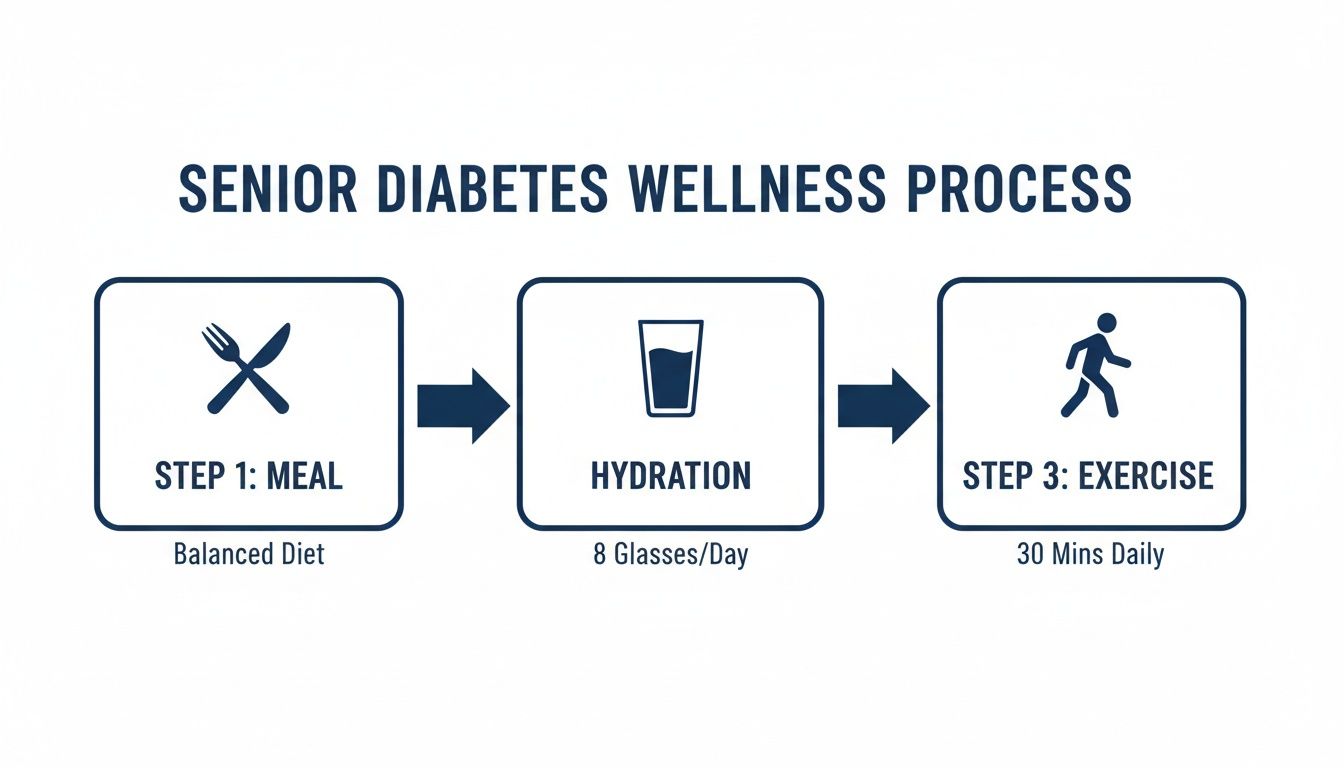
As the visual shows, consistent and simple actions—like eating proper meals, staying hydrated, and getting some movement—are the building blocks for preventing complications. A professional caregiver from NJ Caregiving can make sure these steps are followed every day, acting as a watchful partner in a senior’s health journey and immediately communicating any concerns to the family and medical team.
The Role of In-Home Care in Elderly Diabetes Management
Managing diabetes day in and day out can feel like a full-time job, especially when you're also navigating other age-related health issues. The constant rhythm of glucose checks, medication schedules, and careful meal planning demands a lot of attention. This is exactly where professional in-home care can make a world of difference, turning an overwhelming challenge into a calm, supported routine.
Think of an in-home caregiver as a co-pilot for a senior's health journey. They provide the steady hands and watchful eyes that create a powerful safety net, allowing older adults to live with more confidence and independence right in the comfort of their own home.
Creating a Personalized Safety Net
A professional caregiver does so much more than just help around the house. They become an active partner, helping to carry out the personalized care plan created by the healthcare team. This consistent, one-on-one support is shaped around the senior's specific needs and daily rhythms, making a real, tangible impact on their health.
This support covers every key part of diabetes management for elderly individuals:
- Medication Reminders: Making sure pills and insulin are taken at the right time and in the right dose is crucial. A caregiver helps prevent dangerous errors.
- Glucose Monitoring Assistance: They can help with blood sugar checks, log the results, and spot trends that might need a doctor’s attention.
- Diabetes-Friendly Meal Preparation: A caregiver can handle the cooking, preparing nutritious and tasty meals that fit dietary guidelines. This lifts a huge physical burden off the senior.
- Encouraging Safe Activity: They can be a companion for a gentle walk or guide a senior through seated exercises, making fitness a pleasant and safe part of the day.
This steady support helps prevent the small oversights that can spiral into major health setbacks, significantly cutting down the risk of hospital readmissions.
More Than Just Clinical Tasks
Beyond the practical help, one of the most vital roles a caregiver plays is providing companionship. Social isolation is a serious risk for seniors and can directly chip away at their motivation for self-care. When someone feels lonely, they might lose the drive to eat properly or stick to their medication schedule.
A caregiver offers a friendly face and a source of daily encouragement, fighting back against the loneliness that often comes with a chronic illness. That human connection is absolutely essential for mental and emotional well-being, which is directly tied to better physical health. For truly comprehensive support, exploring specialized services like elderly diabetic home health care can be invaluable.
The presence of a compassionate caregiver offers a double benefit. It gives the senior the support they need to thrive while also offering priceless respite and peace of mind to family members who are often stretched thin.
Aligning with a Philosophy of Comfort
Modern diabetes care for older adults is built on holistic, individualized plans. The focus often shifts from chasing strict glucose targets to prioritizing comfort and quality of life—a philosophy that in-home care perfectly embodies. This approach means providing solid nutritional support, help with self-care, and keeping the family involved.
As experts suggest, simplifying treatment plans and relaxing glucose targets are key parts of this compassionate model. It’s why services like those from NJ Caregiving are so effective. They offer everything from respite care to full-time support, even for families who qualify for Medicaid. You can discover more insights about these care principles to better understand this modern approach.
By partnering with a professional in-home care agency, families can ensure their loved one gets the consistent, expert support that honors their wish to live with dignity and independence at home.
Common Questions About Senior Diabetes Care
When you're helping an older loved one manage their diabetes, questions are bound to come up. It's a journey filled with specifics, and getting clear, straightforward answers is key to feeling confident and providing the best support.
Let's walk through some of the most common concerns we hear from families. Think of this as a practical guide to reinforce the strategies we’ve talked about, always with an eye on safety and quality of life.
What Is a Safe A1C Goal for an Elderly Person?
This is a big one, and the answer often surprises people. For most older adults, doctors often recommend a less strict A1C target, usually somewhere between 7.5% and 8.0%. That’s a real shift from the tighter goals set for younger folks, and the main reason is safety.
For seniors who are particularly frail, managing several other health conditions, or have a limited life expectancy, that goal might be relaxed even more, sometimes up to 8.5%. The priority shifts from aggressive, long-term prevention to avoiding immediate, dangerous problems.
The number one goal is to prevent severe low blood sugar (hypoglycemia), which can cause falls, confusion, and other medical emergencies in a heartbeat. It’s also about avoiding the miserable symptoms of sky-high blood sugar. The perfect A1C target is always a personal decision made with a doctor, carefully weighing glucose control against overall well-being.
How Does In-Home Care Specifically Help with Diabetes Management?
Think of a professional in-home caregiver as a consistent, reliable partner in the daily routine. They provide a support system that tackles the unique challenges of senior diabetes care head-on, making sure the doctor's plan is actually followed day in and day out.
Their help isn't just one thing; it's a combination of actions that make a huge difference in health and safety:
- Medication Assistance: They can offer timely reminders or even directly administer medications, including insulin. This simple step prevents missed doses and dangerous errors.
- Glucose Monitoring: Caregivers help with regular blood sugar checks, log the numbers accurately, and can spot concerning trends before they become a bigger issue.
- Meal Preparation: They take the burden of cooking off the senior’s plate by preparing delicious, diabetes-friendly meals that align with their specific dietary plan.
- Safety Monitoring: A caregiver is trained to notice the little things—the early warning signs of complications, from a sore on the foot to a subtle change in behavior that might signal low blood sugar.
This kind of steady support not only keeps your loved one safer but also gives the entire family incredible peace of mind, all while helping the senior stay independent at home.
My Elderly Parent Resists Changing Their Diet. What Can I Do?
This is such a common and completely understandable hurdle. After a lifetime of eating certain foods, being told you have to make sudden, drastic changes can feel overwhelming and just plain restrictive. The key here is to lead with patience, empathy, and a gradual approach.
Instead of a total dietary overhaul overnight, focus on introducing small, positive changes over time.
Tips for Encouraging Dietary Adjustments:
- Start Small: Don't try to change everything at once. Maybe start by adding a side of steamed veggies to a familiar dinner or switching to whole-grain bread for their daily sandwich.
- Give Them a Say: Involve them in the choices to give them a sense of control. Ask which healthy foods they actually enjoy or might be willing to try.
- Focus on "Can," Not "Can't": Frame the conversation around all the delicious things they can have, not just what's off-limits. Find some exciting, healthy recipes you can explore together.
- Lead by Example: Share healthy meals with them. When they see you enjoying the food, it becomes less of a chore and more of a shared experience.
A professional caregiver can be a fantastic ally here, too. They’re skilled at preparing meals that are both healthy and appealing, proving that a diabetes-friendly diet doesn't have to mean giving up on flavor.
Can Medicaid Help Pay for In-Home Diabetes Care?
Yes, absolutely. In many states, including New Jersey, Medicaid programs can help cover the cost of in-home care services for seniors who qualify. Here, these programs are often called Managed Long-Term Services and Supports (MLTSS), and they're designed specifically to help people live safely at home instead of in a nursing facility.
The services covered are determined by a clinical assessment of a person's needs. This often includes crucial support for diabetes management for elderly adults, like personal care, help with daily activities, and medication assistance. A good home care agency can be an invaluable resource, often guiding families through the entire eligibility and application process to access these essential benefits.
Managing diabetes in a senior you love is a team effort, and you don’t have to do it alone. NJ Caregiving provides compassionate, professional in-home support to help your loved one live safely and comfortably at home. Learn how our personalized care plans can make a difference for your family at https://njcaregiving.com.
