
Hiring a home health aide isn't something you rush into. It all starts with taking a really honest look at your loved one's day-to-day life and figuring out exactly what they need. This isn't just about making a list; it's about painting a clear picture of their personal care, medical support, and even household tasks. Getting this right from the beginning is the key to finding someone who’s a genuinely good fit.
Defining Your Family's True Care Needs
Before you even think about writing a job post, you have to get a crystal-clear picture of the support your loved one actually needs. This goes way beyond a simple checklist. You need to understand the rhythm of their daily life, where they struggle, and what they prefer. I've seen families rush this step, and it almost always leads to a poor match and frustration for everyone.
Taking the time to do a thorough needs assessment is the foundation for finding a home health aide who will become a trusted partner. It helps you build a realistic job description that attracts qualified professionals and sets clear expectations right from the start.
Assessing Personal and Medical Requirements
The heart of any care plan is helping with Activities of Daily Living (ADLs). These are the basic, essential self-care tasks we all do to live independently. Take some time to observe your loved one and see how they handle these activities on their own.
- Personal Care: Do they have trouble with bathing, dressing, grooming, or using the toilet? Sometimes all that's needed is someone standing by for safety, but other times, hands-on help is required.
- Mobility: Can they get around the house safely? Look for issues like struggling to get out of a chair, unsteadiness while walking, or needing help to move from the bed to a wheelchair.
- Medical Support: While aides don't usually provide medical care, their support is vital. This can be as simple as medication reminders, helping monitor blood pressure, or assisting with physical therapy exercises prescribed by a doctor.
Getting specific here is critical. If you need more detail, our guide on what Activities of Daily Living are can help you perform an accurate assessment.
Evaluating Household and Companionship Needs
A home health aide’s role often expands beyond just personal care. They can help make the home environment safer and more comfortable, and just as importantly, they can address the social and emotional side of well-being.
Think about these areas:
- Meal Preparation: Does your loved one need someone to handle grocery shopping and cook nutritious meals, or do they just need a little encouragement to eat?
- Light Housekeeping: Things like laundry, changing bed linens, and keeping the main living areas tidy are very common responsibilities.
- Transportation: Will they need a ride to doctor’s appointments, the grocery store, or social outings?
Don't ever underestimate the power of companionship. Social isolation can take a huge toll on a senior's health. An aide who engages in conversation, shares in a hobby, or just provides a comforting presence can make an incredible difference.
To help you organize these details, we've created a checklist. You can use this table to map out exactly what tasks are needed and how often, giving you a clear document to share with potential caregivers.
Home Health Aide Responsibilities Checklist
| Care Category | Specific Tasks Needed (Examples) | Required Frequency (Daily, Weekly, As-Needed) | Notes/Special Instructions |
|---|---|---|---|
| Personal Care | Standby assist for showering, help with dressing and buttons, morning grooming routine | Daily | Prefers showers in the morning; sensitive skin requires gentle soap. |
| Mobility | Assistance getting out of bed, steadying arm for walks to the mailbox | Daily, As-Needed | Uses a walker for longer distances; risk of falls is highest at night. |
| Medical Support | Reminders for morning/evening pills, assist with blood sugar monitoring | Daily (twice) | All medications are pre-sorted in a pill organizer. |
| Meal Prep | Cook lunch and dinner, ensure adequate fluid intake | Daily | Low-sodium diet required; enjoys simple, classic meals. |
| Housekeeping | Tidy kitchen after meals, do one load of laundry, change bed linens | Daily, Weekly | Keep living room clear of clutter to prevent trips. |
| Companionship | Go for short walks, play card games, provide conversation | Daily | Enjoys talking about history and watching old movies. |
| Transportation | Drive to doctor's appointments, weekly grocery run | As-Needed, Weekly | Needs help getting in and out of the car. |
This checklist becomes your roadmap. It not only clarifies your needs but also serves as an excellent communication tool when you start interviewing candidates.
Thinking this carefully about care is more important than ever. The demand for skilled in-home help is skyrocketing. By 2030, one in five Americans will be 65 or older, and the employment of home health aides is projected to jump 21% between 2023 and 2033—that's way faster than average. With more families seeking care, being precise about your needs helps you stand out and find the best possible person for the job. You can discover more insights about these home health care industry trends.
Now that you have a solid care plan, it’s time to find the right person for the job. This is a big decision, and it boils down to one key choice: do you partner with a home care agency or hire an independent caregiver on your own? Each path has its pros and cons, and the best fit really depends on your family's needs, budget, and how hands-on you want to be.
Working with an agency often brings peace of mind. They take care of the heavy administrative tasks—background checks, payroll, liability insurance—which can be a massive relief. If your regular aide gets sick or takes a vacation, the agency is responsible for sending a qualified replacement, so you’re never left without coverage.
On the other hand, hiring an independent aide directly can be more affordable and gives you total control over who comes into your home. You get to hand-pick the caregiver and build that one-on-one relationship right from the start. The catch? You become the employer, and that means you're on the hook for all the responsibilities that come with it.
This infographic lays out some important things to think about as you start your search for a home health aide.
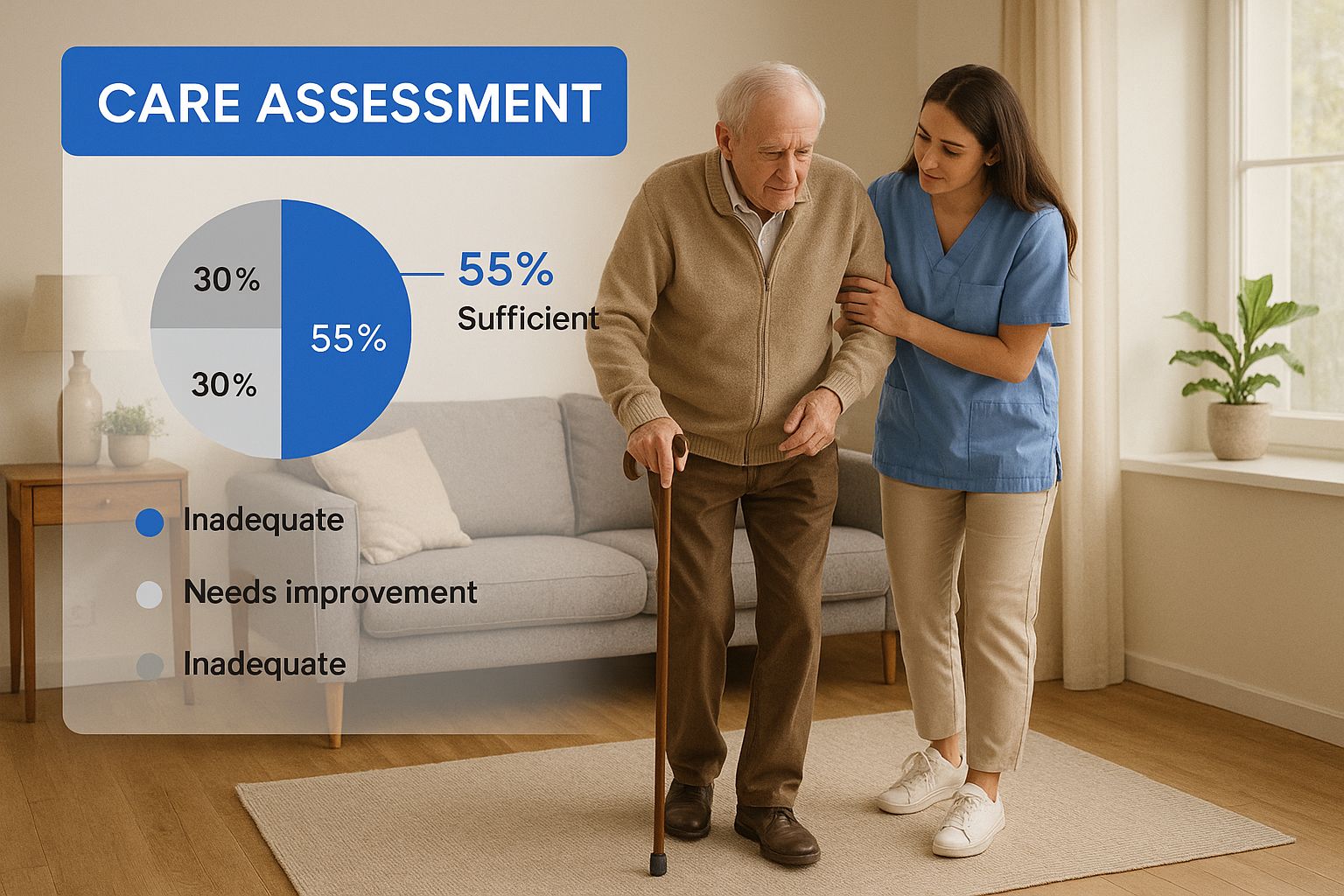
As the visual shows, a thoughtful assessment of your care needs is the foundation for a successful partnership, no matter which route you choose.
To help you weigh the options, here's a direct comparison of the two main approaches.
Agency Hire vs. Independent Hire A Comparison
| Factor | Hiring Through an Agency | Hiring an Independent Aide |
|---|---|---|
| Recruitment & Vetting | Agency handles all screening, background checks, and credential verification. | You are responsible for finding, interviewing, and vetting all candidates. |
| Cost | Typically higher hourly rates to cover agency overhead and insurance. | Often more cost-effective as you pay the caregiver directly without agency fees. |
| Administrative Tasks | Agency manages payroll, taxes, worker's compensation, and liability insurance. | You act as the employer, handling all payroll, tax withholding, and insurance. |
| Backup Care | Provides a replacement caregiver if your primary aide is unavailable. | You must find and arrange for backup care on your own. |
| Oversight & Training | Agency supervises caregivers and often provides ongoing professional training. | You are solely responsible for managing, training, and supervising the aide. |
| Flexibility & Control | You have less direct control over caregiver selection, though good agencies work to find a match. | You have complete control over who you hire and the specifics of their duties. |
Ultimately, the choice comes down to balancing convenience and security with cost and control.
Sourcing and Screening Independent Caregivers
If you've decided to hire directly, the next step is finding great candidates. It's smart to cast a wide net instead of relying on just one source.
- Online Platforms: Websites designed to connect families with caregivers are a fantastic place to start. You can browse profiles, check experience levels, and sometimes even see preliminary background checks.
- Community Referrals: Don't underestimate the power of a personal recommendation. Ask friends, neighbors, local senior centers, or people from your place of worship. A trusted referral provides invaluable peace of mind.
- Healthcare Professionals: Your loved one’s doctor, physical therapist, or a hospital discharge planner often has a network of caregivers they can point you to.
Once you’ve gathered a few promising candidates, the screening process begins. This is your first line of defense for ensuring safety and finding a good personality fit. For a deeper dive into this process, check out our guide on how to find private caregivers.
Verifying Credentials and Checking References
This is the part you absolutely cannot skip. It’s where you confirm that a candidate is not only qualified on paper but also has a proven history of providing safe and compassionate care.
First up, a comprehensive background check is a must. This should include a criminal records search at both the county and national levels, plus a check of the national sex offender registry. You can find several reputable online services that handle this for a reasonable fee.
Next, you need to verify any professional licenses or certifications they list, like Certified Nursing Assistant (CNA) or Home Health Aide (HHA). You can usually confirm these credentials through your state’s nurse aide registry or board of nursing website.
Calling references is non-negotiable. This is your single best chance to get an honest look at a candidate's reliability, skills, and personality from someone who has worked with them directly.
When you call, ask specific, open-ended questions. Instead of, "Were they a good aide?" try something like, "Can you tell me about a challenging situation and how they handled it?" This type of question will give you much more meaningful insight.
The home care industry is massive, with around 15 million Americans receiving care at home. The industry's $137.2 billion valuation speaks to its vital role, and with 91% of clients reporting satisfaction, finding a wonderful aide is absolutely achievable.
Conducting a Meaningful Caregiver Interview

The interview is where you get to look beyond the resume and find someone with the right blend of professional skill and genuine compassion. This conversation isn’t about just verifying facts on paper; it's your opportunity to understand a person’s character, their problem-solving instincts, and whether their personality is a good fit.
A thoughtful interview process is what gives you the confidence to move forward. We recommend a two-part approach to keep things efficient. Start with a brief phone screen to confirm the basics, then invite your top candidates for a more personal, in-person meeting.
Moving Beyond Yes or No Questions
To really get a feel for how a candidate thinks on their feet, you have to ask questions that require more than a simple "yes" or "no." The best insights come from behavioral and situational questions that encourage them to share real stories from their past experiences.
For example, asking, "Are you a patient person?" will always get a "yes." It doesn't tell you anything.
Instead, try something like this: "Tell me about a time you cared for someone who was feeling frustrated or uncooperative. How did you handle the situation?" A question like that reveals their actual problem-solving process and emotional intelligence.
Here are a few powerful questions you can add to your list:
- Situational: "Imagine my mother refuses to take her medication one morning. What steps would you take?"
- Experience-Based: "Describe a time you had to communicate a concern about a client to their family. How did you approach it?"
- Ethical: "What would you do if you noticed a family member being disrespectful to the person you were caring for?"
These questions don't have one single "right" answer. What you’re really listening for is a thoughtful response that shows they prioritize your loved one's safety, dignity, and well-being above all else.
Assessing Personality and Communication Style
While skills and experience are crucial, a personality clash can create a stressful environment for everyone. During the in-person interview, pay close attention to the candidate's communication style and overall demeanor. You're not just hiring a set of skills; you're inviting someone into a very personal space.
Observe how they interact. Do they make eye contact and listen actively? Is their tone warm and respectful? A great caregiver needs to communicate clearly and empathetically with both your loved one and the rest of the family.
The goal is to find someone whose personality complements your loved one's. If your father is quiet and reserved, an overly energetic and talkative aide might be overwhelming. Conversely, if your mother thrives on social interaction, a quiet aide might not provide the companionship she needs.
If your loved one is able and willing, consider including them in the final stage of the interview. Their comfort level and input are incredibly valuable. Watching how the candidate interacts with them can be the most telling part of the entire process. Trust your gut—sometimes the best fit is simply about a human connection that feels right.
Navigating the Legal and Financial Side of Hiring
When you hire a home health aide on your own, you're not just bringing help into your home. You're also becoming an employer. It's a role most families don't expect, and it comes with legal and financial duties that you need to get right from day one.
Trying to sidestep these responsibilities can create a real mess down the line, from tax penalties to legal headaches. It’s far better to be proactive. Setting things up correctly from the start ensures a fair and positive relationship for everyone involved.
Creating a Clear Work Agreement
Every solid professional relationship starts with a clear work agreement, sometimes called a caregiver contract. This isn't about creating some dense legal document; it's about putting everyone's expectations down on paper to prevent future confusion. Think of it as a roadmap for your working relationship.
Make sure your agreement clearly outlines:
- Scope of Duties: Spell out every task you expect the aide to handle, pulling directly from the care plan you’ve already created.
- Work Schedule: Detail the exact days and hours of work, including any planned breaks.
- Compensation: State the hourly pay rate, how overtime will be handled (if it applies), and when paydays are (e.g., every Friday, bi-weekly).
- Termination Policy: Specify how much notice is needed from either you or the aide to end the employment.
Getting this in writing protects you both and sets a professional tone right away.
Understanding Your Tax Obligations
This is the part where things often get tricky for families. When you hire an aide directly, the IRS almost always sees them as a household employee, not an independent contractor. That's a huge distinction. Misclassifying an employee can lead to a world of trouble, including paying back taxes and hefty penalties.
As an employer, you're on the hook for withholding and paying taxes, including Social Security and Medicare (known as FICA taxes). You'll need to get an Employer Identification Number (EIN) from the IRS and give your aide a Form W-2 at the end of each year.
The money side of caregiving can feel overwhelming, especially when you're just trying to create a budget. To get a better handle on setting a fair and competitive wage, it helps to understand how much home health care costs in your specific area.
Securing the Right Insurance Coverage
Finally, let's talk about protection. Accidents happen, and it's vital to make sure both your family and your aide are covered if one does. Your standard homeowner's insurance policy probably won't cover an injury a household employee sustains while on the job.
You'll need to call your insurance agent and ask about adding a workers' compensation policy or a similar rider. This type of insurance is designed to cover medical bills and lost wages if your aide gets hurt working in your home. It’s a relatively small expense that offers priceless peace of mind, protecting you from major liability and ensuring your caregiver is taken care of.
You’ve hired a home health aide. That’s a huge step, but the real journey is just beginning—turning that professional relationship into a successful, long-term care partnership. Those first few weeks are absolutely critical for setting a positive tone that can last for years.
A smooth start really boils down to two things: a well-planned orientation and establishing clear, open lines of communication right from the get-go.
Running a Comprehensive Home Orientation
Think of the aide’s first day not just as a tour, but as a proper onboarding. The goal is to eliminate any guesswork and create a predictable, comfortable environment for both the aide and your loved one. I always recommend preparing a simple folder or binder with key information they can grab anytime they need it.
Your orientation should walk them through the essentials:
- Emergency Information: Have a clearly printed list of emergency contacts front and center. This includes family members, doctors, and even a trusted neighbor, along with the home address for 911 calls.
- Daily Routines: Go over a typical day together. Talk through morning routines, medication and meal times, afternoon activities, and how your loved one likes to wind down in the evening.
- Household Logistics: This is the practical stuff. Show them where to find linens, cleaning supplies, the first-aid kit, and—just as important—the coffee maker.
- Personal Preferences: Share the little details that make a big difference. Mention your mom's favorite chair, the snacks your dad loves, or topics of conversation they genuinely enjoy. These small things help build rapport.
Setting up regular, scheduled check-ins is one of the most powerful things you can do. A brief, 15-minute call or meeting once a week provides a dedicated space to discuss progress, address small issues, and ensure everyone is on the same page.
Nurturing the Relationship for Long-Term Success
A strong care partnership is built on a foundation of mutual respect and constant communication. It takes real effort from both sides to maintain a positive and professional atmosphere. This means learning how to give constructive feedback gracefully and, just as importantly, showing genuine appreciation for their hard work.
Never underestimate the power of small gestures. A simple "thank you" at the end of a long day, remembering their birthday, or acknowledging a job well done can do wonders for morale and job satisfaction.
When an aide feels valued and respected, they are far more motivated to provide the highest level of compassionate care. That positive energy creates a stable, supportive environment where your loved one can truly thrive.
Got Questions About Hiring an Aide? We've Got Answers
Even when you feel prepared, hiring a home health aide is a big step, and it's natural for questions to pop up along the way. Getting clear answers to these common concerns will help you move forward with confidence, knowing you’re ready for the realities of in-home care.
Let's dive into some of the most frequent questions we hear from families.
What’s the Typical Cost of Hiring a Home Health Aide?
This is the big one, and the honest answer is: it varies. A lot. The cost can swing dramatically based on your location, the aide’s experience, and whether you go through an agency or hire directly.
Agency rates are usually higher per hour, but that fee bundles in a lot of crucial services. They handle the administrative overhead, liability insurance, payroll taxes, and—most importantly—finding backup care if your regular aide is sick.
Hiring an independent aide might look cheaper upfront with a lower hourly rate, but all the financial responsibility lands on you. You'll need to budget for things like payroll taxes, workers' compensation insurance, and any overtime. A smart first step is to research the average hourly rates in your specific city or county to build a realistic budget.
What Qualifications Should I Look for in an Aide?
The most important qualifications are the ones that directly match your loved one’s needs. Before you even think about certifications, make sure you're looking for someone with proven, hands-on experience with the specific tasks you've outlined in your care plan.
Beyond that, certain credentials offer an extra layer of peace of mind:
- Certifications: A Certified Nursing Assistant (CNA) or Home Health Aide (HHA) certification means they’ve completed formal training and passed a state-approved exam.
- Safety Training: CPR and First Aid certifications are non-negotiable. They are essential for handling emergencies.
- Specialized Skills: If you're dealing with conditions like dementia or Parkinson's, it’s a huge plus to find aides who have completed specialized training programs.
Always ask to see the actual certificates. Don't just take their word for it. If you can, it’s also a good idea to verify them with the organization that issued them.
A great caregiver’s most important qualities—patience, empathy, and reliability—won't appear on a certificate. Use the interview and reference checks to gauge these crucial personality traits that are fundamental to compassionate care.
What if My Loved One Doesn't Get Along with the Aide?
It happens, and it can be a really tough situation. The chemistry just isn't there.
First, talk privately with your loved one to get to the root of the problem. Is it a simple miscommunication? Sometimes, a calm, open conversation with everyone involved is all it takes to smooth things over.
But if it's a deeper personality clash or you have a real concern about the quality of care, you need to act fast. If you hired through an agency, this is exactly where they earn their money; it's their job to find a suitable replacement.
If you hired an independent aide, you'll need to look at the termination clause in your work agreement. This usually requires giving a certain amount of notice. It’s a pain, because it means you're back to square one with your search, but your loved one's safety and comfort have to be the top priority.
Finding the right care solution can feel complex, but you don't have to do it alone. The compassionate team at NJ Caregiving is here to guide you every step of the way, from assessing your needs to finding the perfect caregiver match. Learn more about our personalized in-home care services by visiting us at https://njcaregiving.com.