
When you or a loved one are planning for surgery, the focus is often on the procedure itself. But what happens when you get home? That transition from the hospital back to your own space is a huge step, but the real work of recovery is just getting started.
Temporary home care after surgery is a professional support service that bridges that critical gap between your hospital discharge and when you’re fully back on your feet. It’s designed to help you recover safely and comfortably, right in your own home, with both medical and non-medical assistance to cut down on complications and get you back to your life faster.
Why Home Care Is So Important for Your Recovery
Heading home after a hospital stay feels like a victory, but those first few days and weeks are fragile. Trying to manage everything on your own can be more than just difficult—it can be risky.
This is where professional home care becomes an essential part of your healing plan, not just a nice-to-have. It’s all about creating a safe, supportive environment that actively helps you heal and get back to normal. The kind of support is broad and can be shaped to fit your specific needs after an operation. It's more than just having someone around; it’s about having the right kind of help when you need it most.
The Spectrum of Post-Surgical Support
Let’s paint a picture. Imagine you're coming home after a knee replacement. Your mobility is next to zero, and managing the pain is a round-the-clock job. A solid temporary home care after surgery plan would tackle this from two angles:
- Skilled Medical Care: A registered nurse could come by to handle complex wound dressings, give IV medications, and keep a professional eye out for any signs of infection or blood clots. They bring the clinical expertise of the hospital right to your living room.
- Non-Medical Personal Care: A home health aide can step in to help with all the things that suddenly feel impossible—like taking a shower, getting dressed, or making a healthy meal. They can also drive you to follow-up appointments, help with light housekeeping, and just be there for a chat, which can make a world of difference when you’re stuck at home.
This one-two punch of support creates a protective bubble, letting you focus completely on getting better.
The numbers back this up. Every year, about 12 million Americans use home health care services, and studies consistently show that this kind of support dramatically lowers the chances of complications and rehospitalizations.
By proactively managing both your medical needs and the challenges of daily living, home care significantly cuts down the risk of being readmitted to the hospital—a very real concern for anyone who's just had surgery.
At the end of the day, arranging for professional help is an investment in your own successful recovery. It brings peace of mind not just for you, but for your family, who might not have the training or ability to handle the tricky details of post-op care. Understanding your options for home care after hospital discharge is the first, most important step in building a recovery plan that truly works.
Choosing the Right Type of Post-Surgical Care
Coming home after surgery is a huge relief, but it's also when a new phase of healing begins. Your needs can range from simple daily help to more complex medical attention. The first step in setting up a solid support system is figuring out exactly what kind of temporary home care after surgery you'll need.
It's not a one-size-fits-all situation. Getting the right level of assistance is key to a safe and speedy recovery. The main difference comes down to skilled medical care versus non-medical personal care. Think of them as two specialized teams working together to cover all your bases, making sure nothing gets missed while you heal.
What Is Skilled Medical Care?
Skilled medical care is clinical-level support that can only be provided by licensed healthcare professionals, like a Registered Nurse (RN) or Licensed Practical Nurse (LPN). This type of care always requires a doctor's order because it deals with the direct medical needs that come from your surgery. In a way, it’s like bringing a piece of the hospital's clinical expertise right into your living room.
Some of the common tasks that fall under skilled care are:
- Wound Care: This involves changing complex surgical dressings and monitoring the site to prevent infection.
- Medication Administration: Managing IVs or giving injections that you can’t safely do on your own.
- Monitoring Vital Signs: Keeping a close eye on your blood pressure, heart rate, and oxygen levels to catch any potential red flags early.
- Coordinating Specialized Therapies: Working with physical, occupational, or speech therapists who visit you at home.
This professional oversight is absolutely critical for anyone with a more complicated recovery, and it goes a long way in reducing the risk of being readmitted to the hospital.
Understanding Non-Medical Personal Care
While skilled professionals handle the clinical side of things, non-medical care is all about your comfort, safety, and daily routine. This support comes from a certified Home Health Aide (HHA) or a professional caregiver. Their main job is to help with the Activities of Daily Living (ADLs) that become difficult—or even unsafe—to do by yourself after an operation.
Having a safe, recovery-focused environment is crucial, and that’s exactly what personal caregivers help create and maintain.
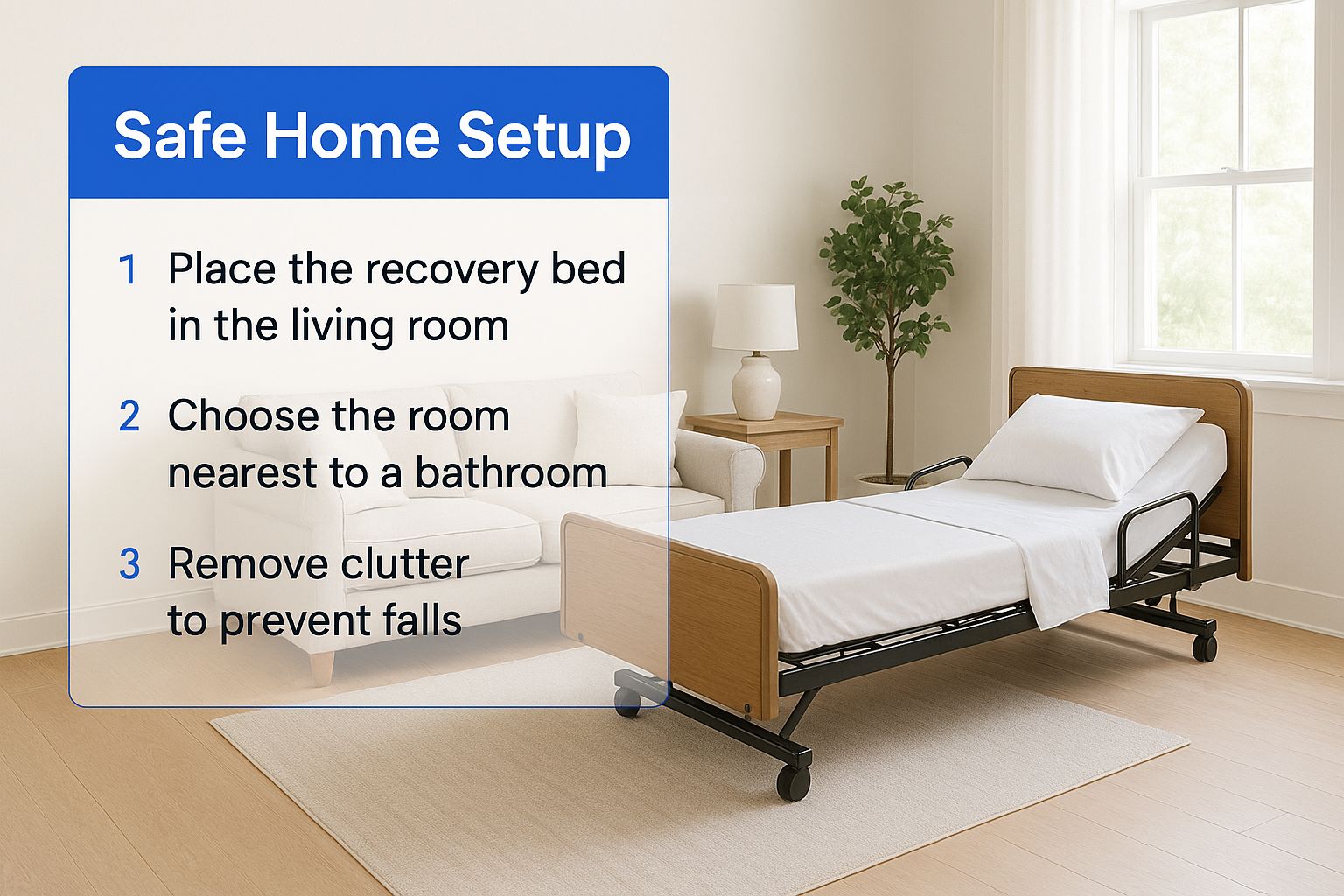
The kind of support they provide is incredibly practical and includes a whole range of tasks:
- Help with bathing, dressing, and personal grooming.
- Preparing nutritious meals to support your body's healing process.
- Light housekeeping, like doing laundry and keeping your recovery space tidy.
- Providing transportation to follow-up doctor appointments.
- Offering companionship to help combat the feelings of isolation that can creep in during recovery.
If you want to dig deeper into the specifics, you can learn more about home health vs home care services to get a clearer picture of what fits your unique situation.
Making the Right Choice for Your Recovery
To help you visualize the differences, here’s a quick comparison of the two main types of in-home support.
Comparing Skilled vs. Non-Medical Home Care Services
| Service Type | Provided By | Common Tasks | Best For |
|---|---|---|---|
| Skilled Medical Care | Registered Nurses (RNs), Licensed Practical Nurses (LPNs), Therapists | Wound care, IV management, injections, vital signs monitoring, physical therapy | Patients with complex medical needs requiring clinical oversight after a hospital stay. |
| Non-Medical Care | Home Health Aides (HHAs), Certified Nursing Assistants (CNAs), Personal Caregivers | Bathing, dressing, meal prep, light housekeeping, transportation, companionship | Individuals needing help with daily activities to remain safe and comfortable at home. |
So, how do you decide which one—or which combination—is right for you?
Often, the answer is a blend of both. Your surgeon or the hospital's discharge planner will be the one to recommend the necessary level of skilled medical care based on your procedure. From there, you can take a realistic look at your own support system (or lack thereof) to figure out just how much non-medical help you'll need to fill in the gaps.
For instance, a patient recovering from heart surgery might need a nurse to monitor their cardiac status (skilled care) but also a home health aide to help with meal prep and bathing (non-medical care). The two roles work in tandem to create a truly complete recovery plan.
By understanding these distinct roles, you can confidently arrange for the precise care that will help you heal safely, comfortably, and effectively.
How to Find and Fund Your Home Care
Figuring out temporary home care after surgery can feel like a huge task, but a little planning goes a long way in making it stress-free. Believe it or not, this process usually kicks off before you’re even discharged from the hospital.
Your surgeon or the hospital's discharge planner is your best first call. They've been through this countless times. They know your specific recovery needs and have a list of trusted, certified home care agencies that specialize in exactly the kind of post-op support you'll require.
Vetting a Home Care Agency
Once you have a few names, it’s time to do some digging. All agencies are not created equal, and finding the right fit is everything for your recovery and peace of mind. A quality agency will be professional, transparent, and always put your needs first.
When you start making calls, have a list of questions ready. This helps you compare apples to apples.
- Licensing and Insurance: "Are you licensed by the state, bonded, and insured?" This is an absolute must-have. It protects you from any liability.
- Caregiver Screening: "What's your screening process for caregivers?" You're looking for an agency that does comprehensive background checks, verifies credentials, and actually calls references.
- Care Plans: "How do you develop a patient's care plan?" The best agencies will insist on an in-home assessment to build a plan that's personalized for you, with your input.
- Contingency Plans: "What happens if our regular caregiver can't make it?" A professional operation will have a solid backup system so you're never left in a lurch.
A major red flag is any agency that seems cagey with their answers or tries to rush you. The right partner will patiently answer every question until you feel completely comfortable and confident.
Understanding Your Payment Options
Of course, one of the first questions on everyone's mind is, "How are we going to pay for this?" The good news is there are several ways to fund this care, and you might not have to cover the entire cost yourself.
The home healthcare market is growing fast—it's projected to hit USD 770.92 billion by 2032. This boom is partly because policies are making home-based care a more practical option, especially for post-surgical recovery.
What Insurance Typically Covers
Insurance can be confusing, but here’s a quick rundown of what you can generally expect from the major payers for temporary home care after surgery.
- Medicare: If your doctor orders "medically necessary" care, Medicare Part A or Part B often covers intermittent skilled nursing and therapies (like physical or occupational). What it usually does not cover is 24/7 care or non-medical help like cooking or bathing, if that's the only assistance you need.
- Private Health Insurance: This varies a ton from one plan to the next. Many private insurers take their cues from Medicare, covering the skilled medical care but not always the personal, non-medical help. You absolutely have to call your provider and ask about your specific post-surgical home care benefits.
- Medicaid: For those who are eligible, Medicaid can cover a wider array of services, sometimes including that non-medical personal care. The rules change from state to state, so you’ll need to connect with your state's Medicaid office to know for sure.
Getting a handle on potential out-of-pocket costs is a key piece of the puzzle. You can learn more about how much home health care costs to get a clearer financial picture. By looking into all these options, you can put together a funding plan that makes your recovery both safe and affordable.
Getting Your Home Ready for a Safe Recovery
Bringing in a professional for temporary home care after surgery is a massive help, but the physical space where you'll be healing is just as critical. A well-prepared home isn't just about being comfortable—it's about actively preventing falls, re-injuries, and other frustrating setbacks.
A few smart adjustments can turn your living space from a potential obstacle course into a true healing sanctuary. The main goal? Minimize risk.
Your first priority should be creating clear, unobstructed pathways. This is the time to temporarily roll up area rugs, tape down or hide electrical cords, and shift any furniture that makes a walkway a tight squeeze. Think about the routes you'll travel most often, like from your bed to the bathroom or the couch to the kitchen.
Create a Recovery Station
To make life a whole lot easier, set up a "recovery station" right next to wherever you’ll be spending most of your time—be it your bed or a comfy recliner. The whole point is to keep everything you need within easy arm's reach. This simple step cuts down on unnecessary movement, strain, and the risk of a fall.
Think of it as your command center. Stock it with all the essentials:
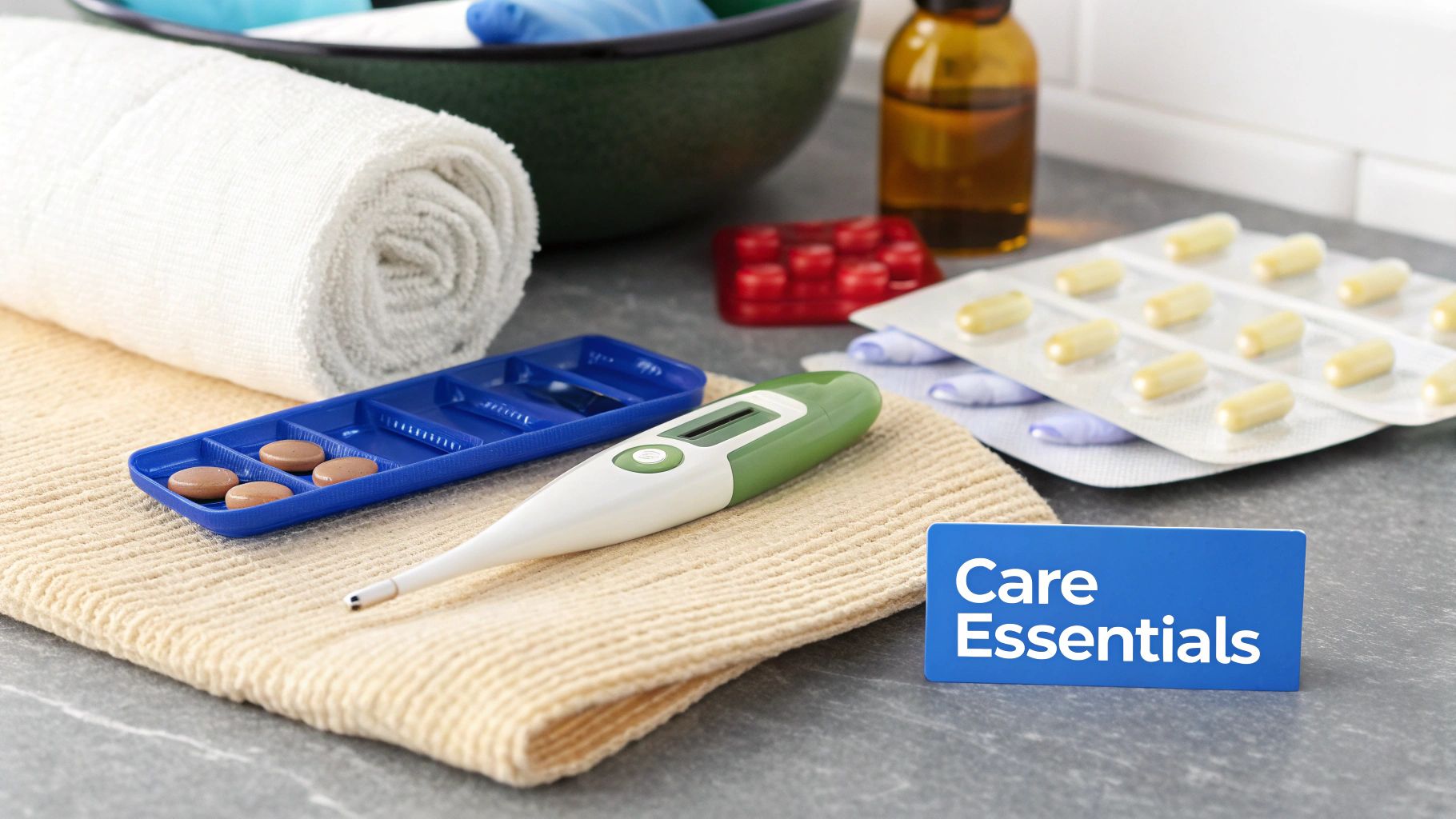
- Medications: Have your prescribed pain relievers and any other daily meds right there, preferably in a labeled pill organizer.
- Communication: A fully charged phone (and its charger), the TV remote, and a handy list of important phone numbers are non-negotiable.
- Hydration and Snacks: A big water bottle and some easy-to-eat, healthy snacks will be your best friends. Staying hydrated and fueled is key.
- Comfort Items: Don't forget the little things! Books, magazines, tissues, and hand sanitizer make the space more livable.
This one simple setup gives you a sense of independence and dramatically reduces how often you need to get up and move around when you're feeling unsteady.
A Quick Tip from Experience: Put down non-slip mats in the bathroom and kitchen. Even a tiny bit of water on a tile floor can be a huge hazard when your balance and mobility aren't what they usually are.
Make the Bathroom Safer
The bathroom is, hands down, one of the riskiest rooms in the house for someone recovering from surgery. But a few key modifications can make a world of difference.
Consider getting a raised toilet seat, which seriously reduces the strain of sitting down and standing back up. In the shower, a sturdy shower chair or bench offers a stable place to sit, while a handheld shower head makes bathing much more manageable.
Most importantly, install temporary grab bars. Having them in and around the shower and next to the toilet provides that critical support for when you're feeling wobbly. Tackling these adjustments before you get home from the hospital means the space is ready to go from day one. It lets you focus on the only thing that matters: healing.
Where At-Home Surgical Recovery is Headed
The entire concept of temporary home care after surgery is undergoing a massive shift. We're moving past the days of just having someone help with basic tasks. The future is here, and it involves bringing sophisticated, tech-driven care right into a patient's home, making the whole recovery experience feel more connected and responsive.

A huge part of this evolution is the explosion of telehealth and remote patient monitoring (RPM). Instead of just relying on scheduled in-person visits, caregivers can now use technology to keep a virtual eye on how someone is doing. This might look like wearable sensors that track vital signs—like heart rate and oxygen levels—or simple daily video check-ins to talk about pain levels and mobility.
This constant flow of information is a game-changer. It allows the care team to spot potential red flags, like a sudden spike in blood pressure or the early signs of an infection, long before they escalate into serious problems. It’s a proactive approach that turns recovery from a reactive process into a preventative one, which can dramatically lower the risk of another trip to the ER or a hospital readmission.
The Rise of Hospital-at-Home Programs
An even more exciting model gaining steam is the "hospital-at-home" program. This isn't your standard home care. We’re talking about a full-blown system designed to provide acute, hospital-level treatment right in your living room. Imagine bringing the hospital ward to you, complete with daily nurse visits, IV therapies, and around-the-clock monitoring.
And these programs work. Major healthcare systems are pouring resources into expanding their hospital-at-home initiatives because the evidence is so strong. One landmark study, for instance, found this model actually led to lower mortality rates and fewer complications than traditional hospital stays. In fact, only 7.2% of patients needed to be transferred back to the hospital. These numbers point to a safer, more patient-friendly future for post-surgical care. You can dive deeper into these emerging home health care industry trends to see what else is on the horizon.
This evolution in care means that recovery is becoming more personalized and integrated. Technology connects patients, their families, and medical professionals in real-time, creating a supportive ecosystem that promotes faster, safer healing.
Ultimately, the future of post-surgical recovery is one where technology and compassionate care work hand-in-hand. It’s about ensuring patients get the high-level medical oversight they need while enjoying the undeniable comfort of their own home. It’s simply a smarter, more efficient way to heal.
Your Top Home Care Questions Answered
When you're planning for post-surgery recovery, a lot of questions about temporary home care can come up. Getting clear, practical answers is the first step toward feeling confident and prepared for what’s ahead. We've gathered some of the most common concerns we hear from families and patients to give you the straightforward information you need.
Let’s walk through them so you can make the best decisions for yourself or your loved one.
How Soon Should I Arrange for Home Care?
The simple answer? As soon as your surgery is on the calendar. Getting a head start gives you plenty of time to look into different agencies, ask all your questions, and figure out your insurance coverage without feeling pressured.
Starting the process early is the best way to avoid that last-minute scramble right before a hospital discharge. It ensures you find the right fit for your specific recovery needs and have a solid plan in place long before the day of your procedure.
Should I Use an Agency or Hire Someone Directly?
While hiring a private caregiver might seem like a shortcut, going through a professional home health agency provides critical layers of safety and reliability you just can't get otherwise. A good agency does all the heavy lifting for you—from comprehensive background checks and credential verification to handling insurance.
They also manage payroll, taxes, and, most importantly, provide a backup caregiver if your regular one is sick or can't make it. You're never left in a lurch. When you hire someone directly, you essentially become the employer, which means you're on the hook for all of those responsibilities, including finding last-minute replacements.
Key Takeaway: Think of an agency as your safety net. They are accountable for the quality of care and maintain a professional standard that's absolutely essential during a vulnerable recovery period.
How Many Hours of Care Will I Need?
This is a tough one because there’s no magic number. The amount of care you’ll need really depends on the type of surgery you had, how mobile you'll be afterward, and what kind of support system you have with family and friends.
Your surgeon and the hospital’s discharge planner will give you their initial recommendations based on your medical situation. After that, a quality home care agency will come to your home to do a thorough assessment. This helps them create a personalized care plan that details exactly what services you need and recommends the right number of hours to keep you safe and help you heal properly.
Can I Change Caregivers if We Are Not a Good Match?
Yes, absolutely. The bond between a patient and a caregiver is built on trust and feeling comfortable. Any reputable agency understands this and makes finding the right personality match a top priority.
If you ever feel that the caregiver you have isn't a good fit—for any reason at all—you should speak up immediately. Agencies have a whole team of qualified professionals and will work with you to find someone you connect with. Keeping the lines of communication open with the agency is the key to a positive experience.
At NJ Caregiving, we are dedicated to providing compassionate, professional support to help you or your loved one recover safely at home. Learn more about our personalized in-home care services in the Princeton, NJ area.