

Understanding What Private Duty Nursing Really Means
Private duty nursing offers a unique, personalized approach to healthcare. Unlike the busy hospital setting where nurses care for many patients, private duty nursing provides one-on-one care. This allows nurses to truly understand each patient's individual needs and build a strong nurse-patient relationship, essential for effective care and better outcomes. This dedicated approach ensures a higher level of personalized care.
Personalized Care Plans and Therapeutic Relationships
Private duty nursing focuses on customized care plans. For instance, a nurse can adjust medication schedules to a patient's routine or incorporate specific therapies based on their preferences. The nurse's constant presence allows for consistent monitoring and quick responses to any changes in the patient’s condition. This proactive approach is key for managing complex medical needs and preventing potential complications, creating a more comfortable and safer environment.
The continuous interaction in private duty nursing builds strong therapeutic relationships. This close bond fosters trust and open communication, vital for effective care. However, access to skilled nursing professionals is a worldwide concern. The global nursing workforce grew from 27.9 million in 2018 to 29.8 million in 2023. 78% of these nurses are concentrated in countries representing only 49% of the global population. More detailed statistics can be found here: Private Nursing Services Market. This highlights the growing demand for nurses, especially those in private duty care. Understanding these global trends helps put the increasing importance of private duty nursing into perspective.
Where Private Duty Nursing Takes Place
Private duty nursing isn't limited to one location. These skilled professionals offer care in various settings, adapting their services to meet patient needs. This flexibility allows individuals to receive personalized care wherever they are most comfortable. While in-home care is a popular choice, private duty nurses also work in assisted living facilities, nursing homes, and hospitals, ensuring consistent, dedicated care across different environments. This allows patients to maintain a sense of normalcy and continuity in their care, no matter where they are. This adaptability is a major benefit of private duty nursing, providing a truly personalized healthcare solution.
Why Families Are Choosing Private Duty Nursing Now

Families are increasingly seeking alternative care solutions for their loved ones. Private duty nursing offers a compelling option, driven by the desire for personalized attention and the increasing complexity of medical conditions. These factors are significantly impacting how families make healthcare decisions.
The Rise of Personalized Care and Complex Conditions
A primary reason for the growing interest in private duty nursing is the emphasis on personalized care. Traditional healthcare settings can sometimes struggle to provide the individual attention many patients need.
Private duty nursing offers one-on-one care, fostering stronger nurse-patient relationships and care plans tailored to individual needs. This personalized approach becomes even more crucial when managing complex medical conditions.
The prevalence of chronic illnesses and complex medical needs is increasing. This demands a higher level of specialized care, which traditional healthcare models may find challenging to deliver consistently. Private duty nurses bring specialized expertise in managing diverse conditions, from wound care to medication management. This ensures patients receive comprehensive support.
Filling the Gaps in Traditional Healthcare
Limitations within current healthcare systems also contribute to the rising popularity of private duty nursing. Hospital stays are often short, and patients might be discharged before they are fully prepared for independent care management.
After a surgical procedure, for example, individuals may need continued assistance with medication, wound care, or physical therapy. Private duty nursing bridges these gaps, ensuring continuity of care and support during the transition home.
The increasing cost of healthcare and long-term care facilities also makes private duty nursing an appealing option. While not always the cheapest solution, it can offer a cost-effective approach to specialized care, particularly for long-term needs.
The private nursing services market is experiencing substantial growth. Valued at USD 300 billion in 2023, it's projected to reach USD 520 billion by 2032. You can learn more about this growth in the Private Nursing Services Market Research. This expansion reflects the growing demand for private duty nursing and its potential to become a more integral part of the healthcare landscape. Understanding the benefits and options within private duty nursing is essential for families seeking optimal care solutions.
Comprehensive Services That Transform Patient Care
Private duty nursing offers a comprehensive approach to healthcare, going above and beyond basic care. It focuses on personalized plans tailored to each individual's specific needs. This section explores the diverse range of specialized services available through private duty nursing and how they cater to various medical situations.
Specialized Care Areas Within Private Duty Nursing
Private duty nursing provides more than just help with daily routines. It encompasses a wide spectrum of specialized services, from managing complex medical procedures and medications to providing compassionate personal care. Let's look at some key areas:
-
Pediatric Nursing: For children with special needs, private duty nurses deliver expert care at home. This includes managing conditions like congenital birth defects and other chronic illnesses that require ongoing medical attention.
-
Geriatric Care: Private duty nurses specializing in gerontology provide compassionate care for the elderly. They focus on preserving dignity and independence while addressing the evolving healthcare needs that come with aging.
-
Post-Surgical Recovery: The period after surgery requires focused care to ensure proper healing and prevent complications. Private duty nurses assist with medication management, wound care, and other vital needs during this critical recovery time.
-
Chronic Disease Management: Living with chronic conditions like diabetes or heart disease requires consistent management. Private duty nurses offer long-term support, empowering patients to manage their conditions effectively and maintain a higher quality of life.
To better understand the diverse applications of private duty nursing, let's examine the following comparison table:
Private Duty Nursing Services Comparison
A comprehensive comparison of different types of private duty nursing services, their requirements, and typical patient populations served.
| Service Type | Medical Complexity | Typical Duration | Patient Population |
|---|---|---|---|
| Pediatric Nursing | Varies, can be high for complex conditions | Short-term or long-term depending on the condition | Infants, children, and adolescents with acute or chronic illnesses, developmental disabilities, or special needs |
| Geriatric Care | Low to high, depending on individual health status | Long-term, often ongoing | Elderly individuals requiring assistance with daily living activities, medication management, or chronic disease management |
| Post-Surgical Recovery | Moderate to high initially, decreasing over time | Short-term, typically a few weeks to several months | Individuals recovering from surgery, requiring assistance with wound care, pain management, and rehabilitation |
| Chronic Disease Management | Varies depending on the specific condition | Long-term, ongoing management | Individuals with chronic conditions like diabetes, heart disease, or COPD, requiring assistance with medication management, lifestyle modifications, and symptom management |
This table highlights the diverse nature of private duty nursing, showcasing how services are tailored to specific patient needs across different age groups and medical conditions. The duration and complexity of care are adjusted based on individual circumstances.
Adapting Expertise to Diverse Patient Needs
A core strength of private duty nursing is the nurses' adaptability. Their skills and experience are tailored to meet a wide array of patient needs. A nurse caring for a child with a developmental disability, for instance, will utilize different skills and approaches than a nurse assisting a senior recovering from a stroke.
This adaptable approach ensures personalized care based on individual circumstances, rather than a one-size-fits-all model. This focus significantly enhances the effectiveness of private duty nursing.
Ensuring Personalized Care for Every Patient
Private duty nursing emphasizes a patient-centered approach, recognizing that each individual's health journey is unique. This commitment to personalized care contributes to increased comfort and well-being for the patient. By focusing on specific needs and preferences, private duty nursing supports individuals in thriving within their care environment.
The Skilled Professionals Behind Exceptional Care
Private duty nursing is more than just a service; it's a personalized approach to healthcare built on trust and expertise. It's about forming a genuine connection between caregiver and patient. But who are the dedicated individuals making this difference? This section delves into the world of private duty nursing, exploring the skilled workforce and what sets them apart from nurses in traditional settings.
Qualifications and Expertise in Private Duty Nursing
Private duty nurses possess a unique combination of skills and qualifications. These professionals typically hold Registered Nurse (RN) or Licensed Practical Nurse (LPN) licenses, ensuring a solid foundation in medical knowledge and patient care. Their distinguishing feature, however, lies in their specialized training and experience gained in diverse care environments.
Many private duty nurses pursue additional certifications in areas like geriatric care, pediatric care, or wound management. This specialized knowledge allows them to address specific patient needs with enhanced expertise. Their commitment to ongoing professional development underscores their dedication to delivering the highest quality care.
Career Paths and Motivations: A Deeper Look
The path to private duty nursing is varied. Some nurses transition from hospital settings, seeking greater autonomy and the chance to build stronger patient relationships. Others are drawn to the field directly, attracted by the personalized nature of one-on-one care.
The motivation behind this career choice often stems from a deep passion for patient advocacy. Private duty nurses strive to make a tangible impact on their patients' lives. This focus on personalized attention significantly contributes to the overall quality of care. This specialized field is a key part of the larger direct care sector. Currently, the direct care workforce numbers over 4.7 million people, with nearly 2.6 million employed in home healthcare, which encompasses private duty nursing. For more detailed insights, check out these Private Duty Home Care Statistics.
Agency-Employed vs. Independent Nurses
The private duty nursing landscape is primarily composed of two employment categories: agency-employed nurses and independent nurses. Agency-employed nurses work for established home healthcare agencies, receiving benefits like health insurance and paid time off. Independent nurses work as private contractors, allowing greater flexibility in setting their own schedules and rates.
Both options offer distinct advantages. Agency employment provides structure and support, while independent practice offers more autonomy. The best choice depends on individual preferences and career goals. Both paths, however, share a common thread: a commitment to providing personalized care within the patient's home. Understanding these employment options is essential for families seeking the right fit for their loved one's needs.
The Personal Qualities of Exceptional Private Duty Nurses
Beyond technical skills and certifications, exceptional private duty nurses demonstrate specific personal qualities that truly elevate their level of care. These vital qualities include:
- Compassion and Empathy: The ability to understand and share the feelings of their patients.
- Strong Communication Skills: Building trust through clear and effective communication with both patients and their families.
- Adaptability and Flexibility: Responding effectively to changing patient needs and diverse care environments.
- Problem-Solving Skills: Proactively anticipating and addressing challenges with confidence and resourcefulness.
These personal qualities, combined with professional expertise, transform private duty nurses into true advocates for their patients. They go beyond simply providing care; they build meaningful relationships, fostering trust and empowering patients to achieve the best possible outcomes in the comfort of their homes.
Navigating Costs and Payment Options Strategically
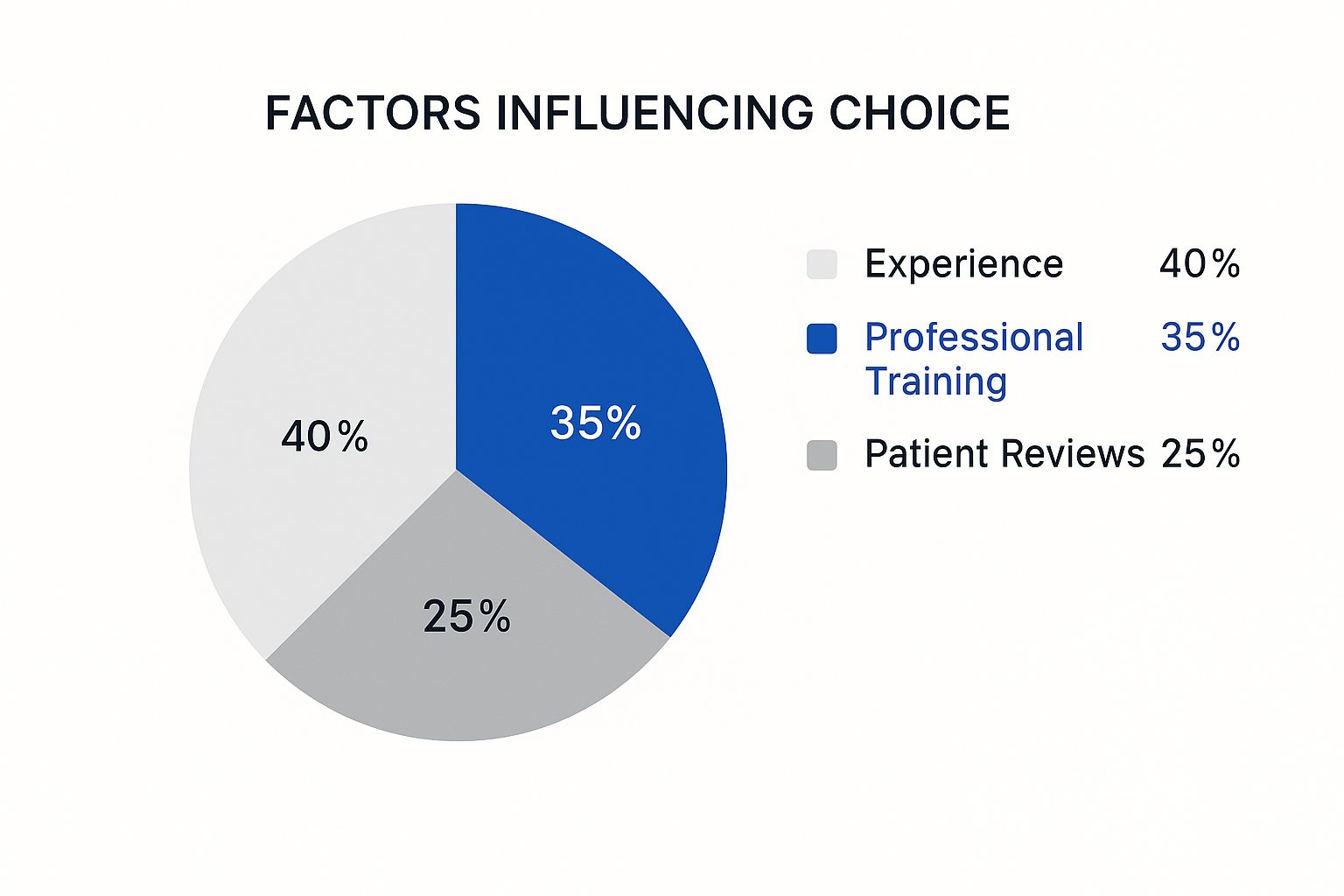
This infographic illustrates the key factors affecting private duty nursing costs. These factors are broken down into Experience (40%), Professional Training (35%), and Patient Reviews (25%). Notice how a nurse's experience and training significantly impact the cost. This reflects the specialized skills they bring to the table. Patient reviews, while valuable for quality assurance, hold less weight on the overall cost compared to the nurse's background.
Understanding the costs associated with private duty nursing is essential for families. This section will break down the various factors that determine pricing and explore different payment strategies. With this knowledge, families can make well-informed decisions and secure the best possible care.
Factors Influencing Private Duty Nursing Costs
Several factors contribute to the final cost of private duty nursing. Geographic location plays a significant role, with costs often fluctuating between urban and rural settings. The level of care needed also impacts pricing. Specialized care for complex medical needs typically carries a higher price tag.
Nurse qualifications, including experience and certifications, are another key factor. Highly experienced nurses with advanced certifications may command higher rates due to their specialized skills. Also, scheduling needs influence the total cost. Hourly rates differ from live-in arrangements, and overnight care often has a different cost than daytime hours. Round-the-clock care, requiring 24/7 coverage, will be the most expensive option.
Payment Structures: Hourly vs. Live-In
There are two primary payment structures for private duty nursing: hourly rates and live-in arrangements. Hourly rates are a suitable choice for intermittent care needs, offering flexibility based on the required hours. Live-in arrangements, where the nurse resides with the patient, provide continuous care for a set daily or weekly rate. The ideal option depends on the individual patient's needs and family preferences.
Comparing Costs: Private Duty Nursing vs. Alternatives
How does private duty nursing compare financially to other care options? While the upfront costs might seem higher than alternatives like home health aides, the difference in care is crucial. Private duty nurses provide skilled medical care and personalized attention that other services may not offer. This makes private duty nursing a worthwhile investment for individuals with complex medical needs.
Understanding Insurance Coverage and Private Pay
Navigating insurance for private duty nursing can be tricky. Some private insurance plans offer partial coverage for skilled nursing services, but the specifics vary greatly. Medicare generally has limitations on coverage for long-term in-home care. Medicaid, depending on eligibility and state programs, might provide coverage options. It's important to understand the specific guidelines of each plan.
When insurance is limited, private pay offers another avenue. While it requires families to bear the costs directly, it offers greater flexibility in provider choice and care plan customization.
Budgeting and Financial Strategies
Budgeting for private duty nursing takes careful planning. Families can consider several strategies to manage costs effectively. Combining insurance coverage with private pay, adjusting the care schedule, or consulting a financial advisor specializing in elder care can be helpful. Openly communicating with your chosen agency about billing practices and payment plans is also crucial.
To help understand the potential costs involved, let's look at a sample cost breakdown:
Private Duty Nursing Cost Breakdown
Detailed breakdown of typical costs for private duty nursing services across different care levels and geographic regions.
| Care Level | Hourly Rate Range | Weekly Cost | Insurance Coverage |
|---|---|---|---|
| Basic Care | $25-$40 | $1,000-$1,600 | Varies depending on plan |
| Skilled Care | $40-$60 | $1,600-$2,400 | Often partially covered |
| Complex Care | $60+ | $2,400+ | May require supplemental coverage |
Note: These figures are estimates and can vary based on location and specific needs.
Reviewing this table offers a general idea of potential expenses. Remember to contact local agencies for precise quotes tailored to your specific situation and region.
Life-Changing Benefits That Make The Difference
Families are increasingly choosing private duty nursing for compelling reasons: the significant advantages it provides for both patients and their loved ones. These benefits extend beyond addressing medical requirements, impacting overall well-being and enhancing quality of life. Let's explore how private duty nursing truly makes a difference.
Enhanced Quality of Life Through Personalized Care
Private duty nursing offers individualized care. With a dedicated nurse, care plans are customized to meet specific needs, preferences, and daily routines. This personalized approach allows for proactive care, anticipating and managing potential health concerns before they become major issues.
This focus on individual needs can significantly improve the patient's quality of life. For instance, a nurse might integrate a patient's favorite music into therapy or adjust medication schedules to minimize sleep disruptions. This tailored approach ensures the patient's comfort and well-being are prioritized.
Reduced Hospital Readmissions: A Focus on Prevention
The continuous monitoring and proactive approach of private duty nurses can substantially reduce hospital readmissions. By carefully tracking vital signs, managing medications, and providing timely interventions, nurses can help avoid complications that might necessitate hospitalization.
This consistent care creates a safer and more comfortable recovery setting. Proactive care is key to preventing setbacks and ensuring a smoother recovery process at home.
Peace of Mind for Families: Constant Support and Expertise
Knowing a loved one is receiving dedicated, expert care offers immeasurable peace of mind for families. Private duty nurses serve as a constant source of support, not only for the patient but also for the family as a whole.
They can address questions, provide guidance, and offer emotional support during difficult times. This network of support is essential, especially when families are dealing with complex medical circumstances. This shared responsibility alleviates the strain on family members, allowing them to focus on their loved one's emotional well-being.
Emotional and Psychological Well-being: Maintaining Dignity and Independence
Private duty nursing supports emotional and psychological well-being by fostering independence and preserving dignity. Patients receiving care in their homes often feel a greater sense of control and autonomy.
This sense of normalcy contributes to maintaining their self-esteem and reduces feelings of vulnerability. The one-on-one attention and compassionate care provide comfort and lessen feelings of isolation.
Strengthening Family Bonds: Shared Care and Support
Private duty nursing can strengthen family bonds. By easing some of the caregiving responsibilities, nurses enable family members to concentrate on their emotional connection with their loved one instead of solely on physical care tasks.
This allows for quality time and more meaningful interactions. The shared experience of providing care, with the support of a skilled professional, can foster a stronger sense of unity and resilience within the family. Private duty nursing, therefore, becomes more than just medical care; it evolves into a vital source of support for the entire family unit.
Selecting The Right Provider For Your Family
Choosing the right private duty nursing provider is a crucial decision. It directly impacts your loved one's well-being and your family's peace of mind. This guide offers a framework for evaluating potential providers, from licensing to personality.
Essential Evaluation Criteria: Licensing, Credentials, and Experience
Start by verifying the provider's licensing and credentials. Ensure the nurse is licensed in your state and holds the necessary certifications. For example, a pediatric nurse should possess relevant pediatric certifications. This confirms they are qualified to provide care.
Next, assess the nurse's experience. Ask about their private duty nursing background and experience with conditions similar to your loved one's. A nurse with a proven track record is better equipped to handle specific needs.
Key Questions to Reveal Provider Quality
Asking the right questions reveals a provider's commitment to quality care. Inquire about their care philosophy, emergency procedures, and family communication approach. Ask for specific examples of handling challenging situations. Their responses offer insights into their professionalism and problem-solving skills.
Assessing Care Standards and Recognizing Warning Signs
Evaluate the provider's care standards. Ask about their protocols for medication management, infection control, and patient safety. Understand their procedures for handling changes in a patient's condition. Be wary of evasive providers.
Recognize warning signs. These may include inconsistent communication, a lack of fee transparency, or negative feedback from past clients. These signs warrant further investigation or alternative provider consideration.
Care Plan Development and Communication Protocols
A well-defined care plan is crucial for effective private duty nursing. Collaborate with the provider to create a personalized plan addressing your loved one's specific needs and goals. This plan should outline responsibilities, the care schedule, and emergency procedures.
Establish clear communication protocols. Determine update frequency, the preferred communication method (phone, email, text), and how to address concerns or care plan changes.
Ensuring the Perfect Match: Nurse and Patient Compatibility
Nurse-patient compatibility is essential for a positive experience. Consider your loved one's personality and preferences. Some patients prefer outgoing personalities, while others prefer a calmer approach. A trial period can be beneficial to assess compatibility.
Practical Tips: Interviews, References, and Trial Periods
During interviews, ask about experience with specific medical conditions, comfort levels with care tasks, and their philosophy on patient advocacy. Request and follow up with references. Speaking to previous clients offers valuable insights.
A trial period provides a low-risk opportunity to evaluate performance and compatibility. Observe interactions, care task management, and the overall approach to patient care. This trial period can be instrumental in making the right long-term care decision.
Are you ready to experience compassionate, personalized care? Contact NJ Caregiving at https://njcaregiving.com to learn about our private duty nursing services. We proudly serve Mercer County, including Hamilton, Princeton, and surrounding areas.