
The Hidden Complexities of Senior Bathing Care
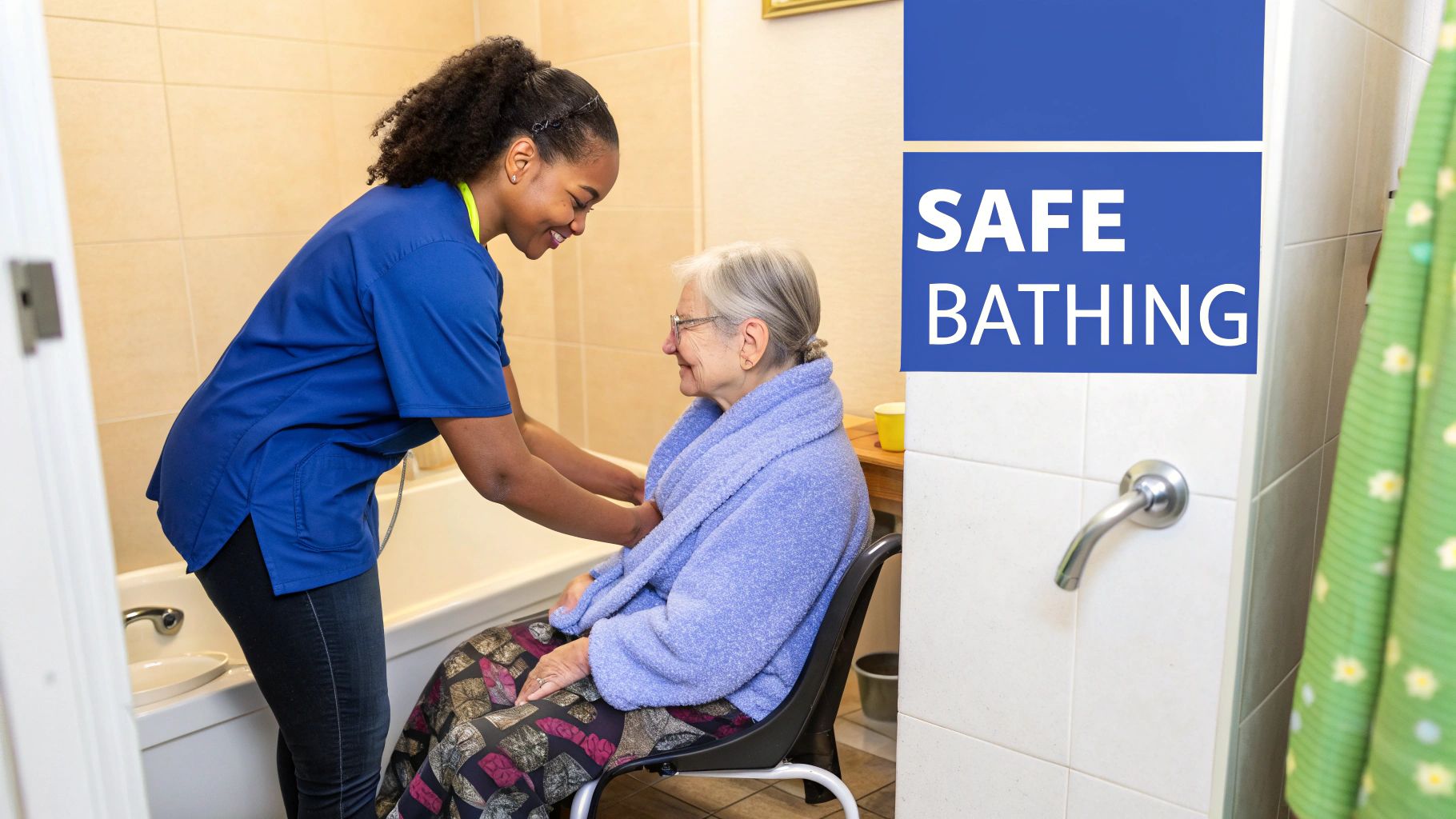
Bathing assistance for seniors is a delicate subject, often marking a significant life change. It transcends a simple routine task, deeply intertwined with personal dignity, independence, and overall well-being. Approaching this topic with empathy and understanding is paramount for both the senior and their family.
What may seem like a straightforward act of helping can sometimes be perceived as a loss of autonomy. This highlights the need for sensitivity and open communication throughout the process.
Understanding the Challenges
The aging process brings physical and cognitive changes that can make bathing increasingly difficult. Simple actions, such as stepping over the bathtub edge, reaching for soap, or maintaining balance, can become real challenges. This can lead to feelings of frustration, anxiety, and even fear.
Conditions like arthritis or dementia can further complicate the bathing process. These challenges underscore the importance of providing appropriate support while preserving a senior's sense of self.
The Importance of Dignity and Independence
Maintaining dignity is crucial when providing bathing assistance. This involves respecting their privacy, preferences, and encouraging as much independence as possible.
Offering choices, such as what time to bathe or which products to use, can empower seniors and foster a sense of control. Finding the right balance between providing assistance and respecting independence can be a delicate but essential process.
The Growing Demand for Bathing Assistance
The global aging population is driving increased demand for these essential services. By 2030, approximately 20% of the U.S. population will be over 65, highlighting the growing need for senior care. This demographic shift underscores the increasing demand for specialized bathing assistance services.
This growth is also fueled by a preference for home-based care, emphasizing comfort and dignity. For more detailed statistics, see the Bathing Services for Senior Market Report.
Recognizing When Assistance Is Needed
Knowing when to introduce bathing assistance is a crucial step. Look for signs like difficulty getting in and out of the tub or shower, struggling with washing, or expressing fear or anxiety about bathing.
Open communication with the senior and their healthcare provider is essential for informed decisions. Addressing these challenges early can prevent accidents and enhance overall quality of life. It also allows for a smoother transition to assisted bathing. Understanding healthcare costs is crucial for seniors, so exploring options for affordable health insurance for seniors is important.
Transforming Bathrooms into Safe Havens for Seniors
As we discuss transforming bathrooms for senior safety, it's also important to consider decluttering tips for seniors. A clutter-free bathroom is inherently safer. Now, let's delve into the modifications that go beyond simple additions like grab bars and non-slip mats. Thoughtful changes can significantly enhance bathing safety, creating an environment where seniors can maintain their dignity and independence while minimizing the risk of falls and injuries.
Assessing Mobility Challenges
Before making any changes, it's essential to assess the specific mobility challenges of the individual. This involves understanding their limitations in areas like balance, reaching, and transferring. For example, someone with arthritis might have difficulty gripping traditional faucets. Someone with limited mobility might struggle to step over a high bathtub threshold. This personalized assessment is crucial for customizing the bathroom to their individual needs.
Key Bathroom Modifications for Enhanced Safety
Several key modifications offer significant safety improvements. Installing grab bars near the toilet and shower provides crucial support and stability. A handheld showerhead offers greater flexibility and control during showering. A bath bench allows seniors to sit comfortably while bathing, reducing the risk of falls. The infographic below illustrates the usage rates of these essential bathing aids.
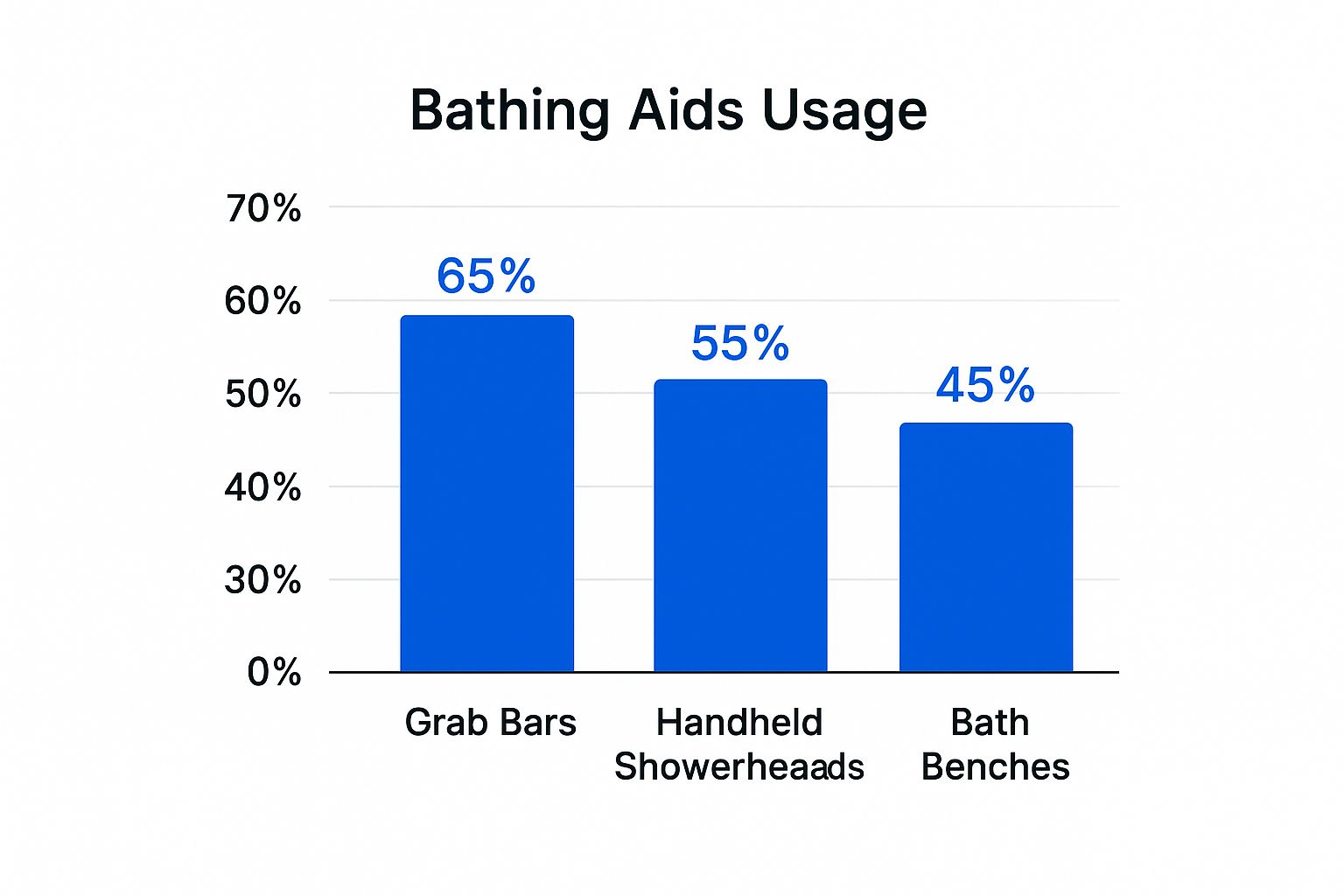
As the infographic demonstrates, grab bars are the most commonly used bathing aid, with 65% of seniors utilizing them. This highlights their importance in bathroom safety. While handheld showerheads and bath benches are less common, their adoption rates of 55% and 45%, respectively, still demonstrate their significant contribution to a safer and more comfortable bathing experience. Used together, these aids create a comprehensive safety net.
The following table provides a more detailed look at various bathroom safety modifications:
Essential Bathroom Safety Modifications for Seniors
This table compares different bathroom safety features, their benefits, approximate costs, and installation complexity to help readers make informed decisions about bathroom modifications.
| Safety Feature | Primary Benefits | Cost Range | Installation Difficulty | Maintenance Required |
|---|---|---|---|---|
| Grab Bars | Increased stability and support while standing, sitting, and transferring | $20 – $100 per bar | Easy to Moderate | Minimal, periodic checks for tightness |
| Handheld Showerhead | Greater flexibility and control while showering, accommodating limited mobility | $20 – $100 | Easy | Minimal, occasional cleaning of showerhead |
| Bath Bench | Allows for comfortable and safe seated showering, reducing fall risk | $30 – $150 | Easy | Minimal, periodic cleaning |
| Walk-in Shower | Eliminates the need to step over a threshold, improving accessibility | $1,000 – $5,000+ | Moderate to Difficult | Moderate, regular cleaning and occasional sealant maintenance |
| Walk-in Tub | Provides a safe and comfortable bathing experience with a door for easy entry and exit | $2,000 – $8,000+ | Difficult | Moderate, regular cleaning and maintenance of door seals and jets |
| Improved Lighting | Enhances visibility, reducing the risk of trips and falls | $20 – $200+ | Easy to Moderate | Minimal, bulb replacement |
| Non-Slip Flooring | Reduces the risk of slips and falls on wet surfaces | Varies depending on material and size of the area | Moderate | Regular cleaning |
Key takeaways from this table include the wide range of costs and installation difficulties for various modifications. While some, like grab bars and handheld showerheads, are relatively inexpensive and easy to install, others, like walk-in tubs, represent a more significant investment. Considering these factors alongside individual needs and budget is crucial.
Lighting and Accessibility
Proper lighting plays a vital role in bathroom safety. Bright, well-placed lighting eliminates shadows and improves visibility, minimizing the risk of trips and falls. Consider replacing the traditional bathtub with a walk-in shower or walk-in tub. This eliminates the need to step over a high threshold, a significant improvement for those with mobility challenges. These seemingly simple adjustments can drastically improve safety and independence. Ultimately, the goal is to create a bathroom that is both functional and aesthetically pleasing, promoting a sense of well-being and comfort.
The Art and Science of Providing Bathing Assistance
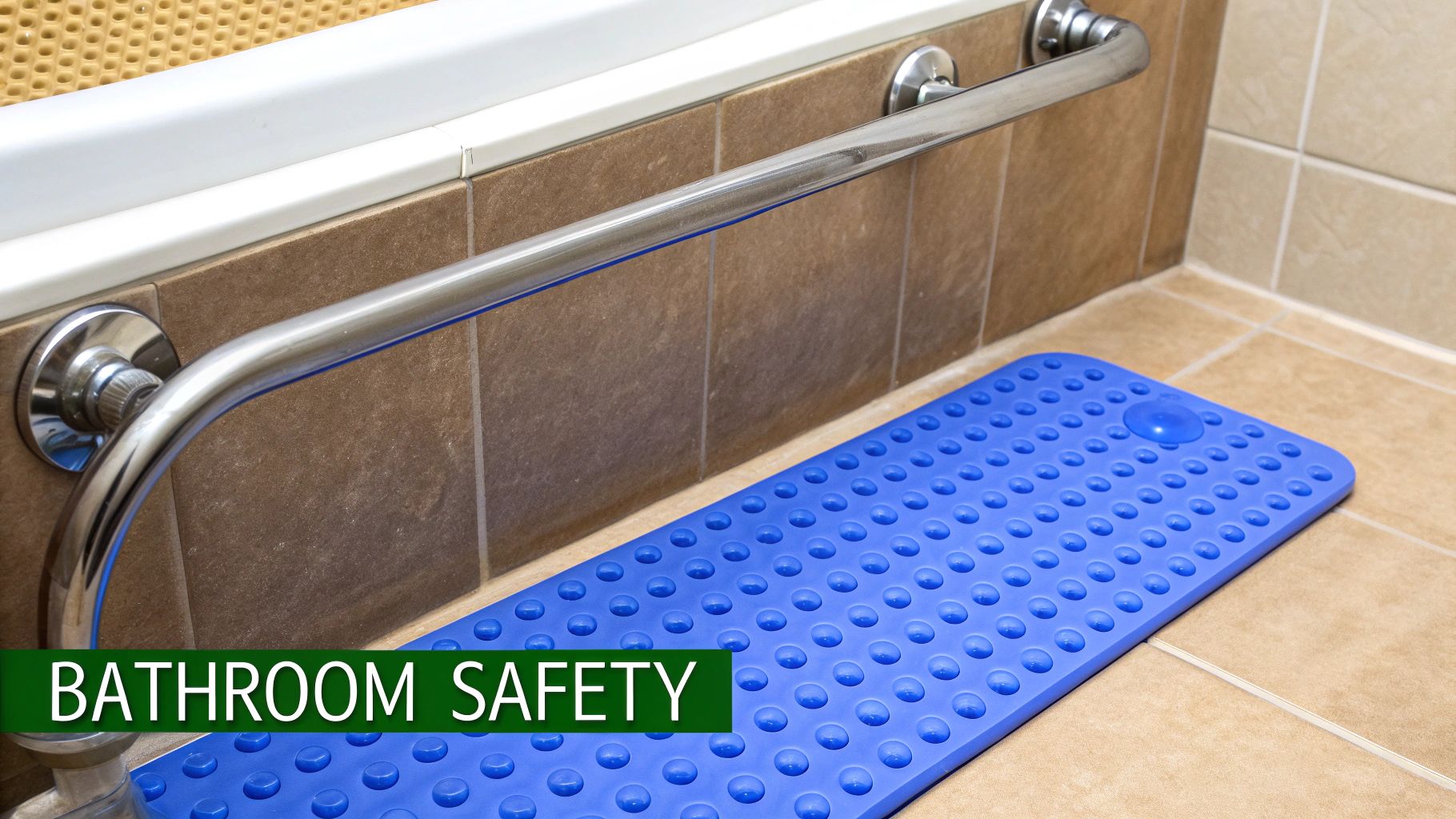
Providing bathing assistance for seniors is more than just a task; it's a delicate blend of skill and empathy. It requires technical know-how combined with a genuine understanding of the individual's needs and comfort levels. This section explores the essential elements of compassionate and safe bathing assistance.
Preparation and Communication
The first crucial step is preparation. Gather all the necessary supplies: towels, soap, shampoo, and any assistive devices like shower chairs or grab bars. Ensure the bathroom is comfortably warm and the water temperature is just right.
Open communication with the senior is also essential. Explain each step before you do it, asking for their preferences and feedback. This builds trust and shows respect for their autonomy.
Bathing Methods and Mobility Levels
Different bathing methods accommodate varying levels of mobility. For traditional tub baths, confirm the senior can safely enter and exit, possibly using a bath lift.
For those with limited mobility, a shower chair or bench in a walk-in shower provides a safer option. Bed baths are suitable for seniors unable to transfer to the tub or shower. The right method depends on the individual’s physical capabilities and personal preferences.
Body Mechanics and Safety
Correct body mechanics protect both the caregiver and the senior. Use proper lifting techniques to prevent injuries. Encourage the senior to participate as much as they can to maintain their strength and independence. For example, if they can wash their face, let them.
Make sure the bathroom is free of hazards like slippery surfaces or clutter.
Addressing Common Challenges
Seniors may feel anxious about water, be sensitive to temperature changes, or generally uncomfortable with being assisted. Address these challenges patiently and with understanding. A warm towel over the shoulders during hair washing can ease anxiety and temperature sensitivity. Offering choices and maintaining a calm, reassuring demeanor can significantly improve the bathing experience.
Specialized Techniques for Specific Conditions
Some medical conditions require specialized bathing techniques. For seniors with dementia, a consistent routine and gentle approach minimizes confusion and agitation. Those with arthritis might benefit from warm compresses and gentle range-of-motion exercises during the bath. These personalized approaches address specific needs and challenges. Caring Hands Senior Services emphasizes this personalized care, ensuring each senior's comfort and safety. Learn more about their approach to bathing assistance at Caring Hands Senior Services.
Maintaining Dignity and Autonomy
The ultimate goal of bathing assistance is to promote hygiene while preserving the senior's dignity and autonomy. Let them make choices whenever possible, such as selecting their soap or the order of washing. This sense of control can significantly impact their emotional well-being.
Respecting privacy and modesty is paramount. This might involve covering them with a towel as much as possible during the bath. By combining technical skills with compassionate care, bathing assistance becomes a positive and respectful experience for everyone involved.
How Technology Is Revolutionizing Senior Bathing Care
Beyond traditional aids like grab bars and shower chairs, innovative technologies are reshaping bathing assistance for seniors. These advancements focus on enhancing both safety and independence, allowing seniors to maintain their dignity while experiencing a more comfortable and enjoyable bath time.
Smart Technology Enhancing Bathroom Safety
Smart home technology is increasingly playing a role in senior bathing care. Voice-activated systems, like those available through Amazon Alexa, can control water temperature and lighting, minimizing the need for manual adjustments. This is especially beneficial for individuals with limited mobility or dexterity.
Automated bathing devices, such as shower systems with pre-programmed settings, can also simplify the bathing process. Imagine a senior with arthritis struggling to turn on the shower. With a voice command, they can easily start the water at their preferred temperature. This offers convenience and a greater sense of control.
Specialized Equipment Promoting Independence
Technological advancements extend to specialized equipment designed for safer and more independent bathing. Transfer systems, like bath lifts and transfer benches, reduce the risk of falls when entering or exiting the tub or shower. These systems significantly lessen the physical strain on both the senior and their caregiver.
Specialized products for sensitive skin are another important advancement. Soaps and shampoos formulated for aging skin help prevent irritation and dryness, contributing to a more pleasant bathing experience. This small detail can make a significant difference in a senior’s overall comfort.
Integrating Technology into Existing Bathrooms
Many of these technologies seamlessly integrate into existing bathrooms. Handheld showerheads with adjustable settings and grab bars can be easily installed. Non-slip mats also offer a simple safety enhancement.
More complex systems, such as walk-in tubs or multi-jet shower systems, may require professional installation but provide long-term benefits. Careful planning and consideration of individual needs are crucial for selecting and implementing these technologies.
Seniors can often benefit from these advancements without extensive renovations. By addressing specific needs and limitations, technology creates a personalized and supportive bathing experience, promoting both safety and independence. Learn more about future trends in bathing assistance for seniors.
Navigating the Emotional Landscape of Bathing Assistance

While practical aspects of bathing assistance are important, the emotional side is equally vital for a positive experience for seniors. Bathing is a very personal activity, and needing help can bring up a mix of emotions.
Understanding the Emotional Impact
For many, needing bathing assistance can signal a loss of independence and control. This can lead to feelings of vulnerability, embarrassment, and even shame. Being touched and helped with such a private task can also be uncomfortable.
Recognizing these feelings is the first step in providing compassionate care. These emotions are valid and should be addressed with empathy and respect.
Recognizing Non-Verbal Cues
Seniors may not always express their discomfort verbally. Paying attention to non-verbal cues is crucial. Tense body language, avoiding eye contact, or withdrawing can all indicate emotional distress.
These unspoken signals give valuable clues about how a senior feels during bathing. Addressing these underlying emotions is key to a comfortable and positive experience.
Building Trust and Open Communication
Open communication builds trust and encourages collaboration. Before starting, clearly explain the process, offering choices whenever possible. This could be letting them choose the water temperature or preferred soap.
Giving choices provides a sense of agency, reminding them they still have control. This can significantly reduce anxiety.
Gradual Transition to Assisted Bathing
If a senior resists help, a gradual transition is often better. Start by offering assistance with just one part of bathing, like washing their hair or back.
This approach allows them to adjust to the idea of being helped. For those with mobility issues, assistive devices like shower chairs can ease physical challenges while maintaining some independence. You can find more information on helpful devices at Caring Hands Senior Services.
Creating Positive Associations with Bathing
Making bathing a positive experience can greatly impact a senior's emotional well-being. Try adding calming elements like aromatherapy, soft music, or a warm towel afterward.
Focusing on comfort and relaxation can reduce anxiety and create a more pleasant experience. Positive associations can make future bathing easier and minimize resistance.
Caregiver Burnout and Self-Care
Providing bathing assistance can be emotionally and physically tiring for caregivers. Recognizing signs of caregiver burnout, like exhaustion, irritability, and withdrawal, is important.
Self-care strategies, such as setting boundaries, seeking support from family or respite care, and taking breaks, are essential. Caring Hands Senior Services provides support and resources for seniors and their caregivers. This support network can be incredibly helpful.
Family Caregiving vs. Professional Bathing Services
Deciding between family caregiving and professional bathing services for an aging loved one is a personal journey. It's a choice that weighs heavily on families as they strive to balance the senior's well-being with their own realities. While cost is a significant factor, it's crucial to consider the broader implications for everyone involved.
Weighing the Pros and Cons of Family Caregiving
Providing care within the family offers a unique advantage: the intimacy and personalized attention that comes from a deep, established bond. This close connection can be incredibly comforting for seniors, especially during vulnerable moments like bathing. A family member can incorporate personal touches, like using a preferred soap or playing familiar music, making the experience more relaxing and enjoyable.
However, the physical demands of caregiving, especially bathing, can place a strain on family relationships. Caregiver burnout is a very real concern, as family members often juggle their caregiving responsibilities with jobs, children, and other personal commitments.
Exploring the Benefits of Professional Bathing Services
Professional bathing services offer a different set of advantages. Trained caregivers understand the complexities of assisting seniors with varying needs and health conditions. They're skilled in safe transfer techniques, minimizing the risk of injury to both the senior and the caregiver. Professional services also provide respite for family members, allowing them to recharge and maintain their own well-being.
Evaluating Service Quality and Building a Hybrid Approach
When considering professional services, it's essential to look beyond marketing materials. Ask potential providers about their training protocols, experience with specific health conditions, and how they handle challenging situations. Understanding their approach to care will help you make an informed decision.
A hybrid approach that combines family caregiving with professional services can offer the best of both worlds. Family members can maintain a close connection while professionals handle the more physically demanding aspects of care, such as bathing.
To help you weigh your options, we've put together a comparison table outlining the key differences between family caregiving and professional bathing assistance.
Family Caregiving vs. Professional Bathing Services
This comparison table outlines the key differences between family-provided bathing assistance and professional services to help readers determine the best option for their situation.
| Aspect | Family Caregiving | Professional Services | Considerations |
|---|---|---|---|
| Cost | Typically less expensive | Can be more costly | Factor in long-term costs and potential hidden expenses associated with family caregiving, such as lost income. |
| Availability | Dependent on family member's schedule | Scheduled and reliable | Consider the consistency and predictability of care required. |
| Expertise | May lack specialized training | Trained and experienced caregivers | Assess the senior's specific needs and the complexity of care required. |
| Emotional Connection | Strong emotional bond | Professional and compassionate | Consider the senior's preference for familiarity versus professional expertise. |
| Caregiver Burden | Potential for burnout and strain on relationships | Provides respite for family members | Evaluate the physical and emotional capacity of family caregivers. |
Finding the right balance between family involvement and professional support is a crucial step in ensuring a senior's well-being. By considering these factors and exploring all available options, families can create a care plan that works for everyone.
For compassionate and expert bathing assistance in the Princeton, NJ area, contact Caring Hands Senior Services at https://caringhandsseniorservices.org. Our team is dedicated to providing personalized care that preserves dignity and enhances quality of life.